How to Prune Flame keeper?
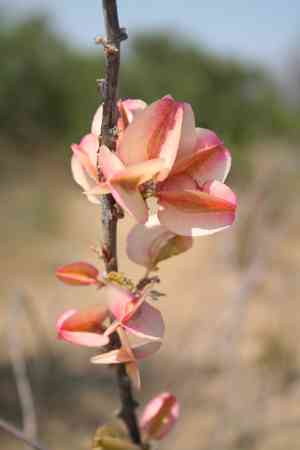
Flame keeper exhibits brilliant crimson blossoms and swift development. To achieve peak performance, trim flame keeper during early spring or late winter to foster robust growth and prolific blooming. Eliminate deceased or compromised limbs, and cut back sprawling sections to preserve its form. Consistent trimming enhances air movement and light exposure, both crucial for the plant's vitality. Exercise caution when pruning immediately prior to the active growth period for superior outcomes and to prevent undue strain.
Advantages of Trimming Flame Keeper?
Advantages of Trimming Flame Keeper?
Trimming flame keeper promotes robust development, keeping its form. It aids in managing desired dimensions, encourages better blooming, and lessens pest and disease problems by enhancing air movement and eliminating unhealthy sections.
Optimal Time for Trimming Flame Keeper?
Optimal Time for Trimming Flame Keeper?
Trimming flame keeper in late winter to early spring is ideal as this period aligns with the plant's dormancy or just before its new growth cycle. Pruning at this time minimizes stress on flame keeper and lowers the risk of disease and pest infestations, as cuts will heal quicker. Furthermore, trimming before the active growing season ensures flame keeper can direct energy towards new growth and flowering, thereby improving overall health and floral display.
Necessary Tools for Trimming Flame Keeper?
Hand Pruners
Perfect for cutting small branches and stems, crucial for maintaining flame keeper's shape and vitality. Ensure blades are sharp to prevent plant damage.
Loppers
Useful for severing thicker branches that hand pruners can't manage. These offer greater leverage and can make clean cuts on larger growth.
Pruning Saw
Essential for removing larger branches. A quality pruning saw will have very sharp teeth for precise cuts and reduced effort.
Pole Pruner
Helps reach higher branches without needing a ladder, ensuring safety and ease when trimming the upper parts of flame keeper.
Bypass Pruners
Best for making clean cuts without crushing plant tissue, encouraging faster healing for flame keeper. Recommended for routine trimming of soft, green growth.
Anvil Pruners
Effective for cutting through dead or tough branches. The cutting action crushes and severs, suitable for the harder sections of flame keeper.
How to Trim Flame Keeper
Assessment
Start by carefully inspecting flame keeper for any dead or diseased branches. This will help pinpoint areas needing attention.
Sanitation
Before cutting, ensure all pruning tools are disinfected to prevent disease spread. Use a solution of one part bleach to nine parts water.
Removal
Cut dead branches back to their intersection with a healthy branch or the main stem. Use clean, precise cuts to avoid harming the plant.
Disease control
Remove diseased branches well below the affected zone. Be sure to dispose of diseased material away from the plant to prevent contamination.
Cleanup
After trimming, clear away all cuttings and debris around flame keeper to maintain garden hygiene and lessen the chance of disease re-infection.
Common Trimming Errors with Flame Keeper
Over-trimming
Excessive trimming can stress flame keeper, leading to reduced flowering and weakened plant health.
Incorrect cuts
Making improper cuts, such as stubs or flush cuts, can leave flame keeper susceptible to diseases and pests.
Trimming at the wrong node
Cutting too far from a node or just above a dormant bud can result in poor regrowth and wasted energy.
Ignoring dead or diseased wood
Failing to remove dead or diseased branches can allow infections to spread and impact healthy growth.
Lack of sanitation
Not cleaning pruning tools between cuts can transfer diseases from one part of flame keeper to another.
General Trimming Advice for Flame Keeper
Use sharp, clean tools
Always use sharp, sterilized pruning shears to make clean cuts and prevent disease transmission.
Target dead wood first
Begin by removing any dead, diseased, or damaged wood to promote overall plant health.
Promote air circulation
Thin out crowded branches to enhance air circulation, reducing the risk of fungal infections.
Shape for aesthetic and structural balance
Trim flame keeper to maintain a balanced shape, ensuring the plant has a strong framework.
Trim just above nodes
Make cuts just above a node with an outward-facing bud to encourage new growth in the desired direction.
Remove crossing branches
Eliminate branches that cross or rub against each other to prevent wounds and improve structure.



