How to Propagate Flame keeper?
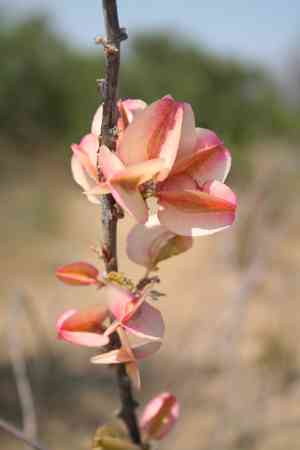
Originating from tropical African regions, flame keeper flourishes in adequately drained earth, favoring spots with moderate to ample sun exposure. Multiply flame keeper successfully via cuttingsâchoose robust, semi-woody sections and confirm they retain some foliage. Insert cuttings into a sandy, damp medium. Consistent spraying aids in preserving the necessary moisture, fostering root growth. Perfect for horticulturists, flame keeper presents a vivid spectacle with appropriate attention.
What Is the Best Time To Propagate Flame Keeper?
Propagation Type
Cutting
Propagation Season
Autumn,Winter
What Tools Are Used in Flame Keeper Propagation?
Sharp Pruning Shears
Crucial for taking precise flame keeper cuttings. Ensure blades are sanitized to prevent disease. Sharp shears make clean cuts, aiding effective rooting.
Rooting Hormone
Enhances root growth in flame keeper cuttings. Dip the cut end into powder or gel to stimulate faster, stronger root development.
Propagation Trays
Hold cuttings and provide a controlled environment. Fill with suitable potting mix to support flame keeper cuttings during rooting.
Heat Mats
Maintain a steady warm temperature, vital for flame keeper root development. Place trays on mats for optimal rooting conditions.
Humidity Dome
Retains moisture, creating a humid micro-climate for flame keeper cuttings. This reduces water loss and boosts propagation success.
Misting Bottle
Keeps flame keeper cuttings hydrated by regular misting. Prevents leaves from drying out while roots form, maintaining plant health.
How to Propagate Flame Keeper?
Propagation Type
Moderately Difficult
How to Care for Your Newly Propagated Flame Keeper?
How to Care for Your Newly Propagated Flame Keeper?
Once cuttings have established a strong root system, gradually introduce them to outdoor conditions by increasing direct sunlight exposure. Transplant rooted cuttings into individual pots with good drainage, keeping the soil consistently moist. Fertilize young plants with a balanced, water-soluble solution every four to six weeks to encourage healthy growth. Regularly check for pests and diseases, and prune as needed to promote a robust, bushy form.
Common Mistakes to Avoid When Propagating Flame Keeper
Overwatering
Excessive moisture can cause root rot, hindering root development and overall plant vitality.
Underwatering
Insufficient moisture can lead to cuttings or seeds drying out, preventing root formation.
Poor Lighting
Inadequate light can result in weak, leggy growth, reducing the likelihood of successful propagation.
Incorrect Cutting Technique
Improperly cut stems or branches can lead to infections or poor rooting, lowering propagation success rates.
Using Unsterile Tools
Non-sterilized tools can introduce pathogens to the cuttings, leading to diseases.
Tips For Propagating Flame Keeper
Maintain Moisture
Keep the soil consistently damp but not waterlogged to encourage healthy root development.
Optimal Lighting
Ensure cuttings or seeds receive bright, indirect light to promote vigorous growth.
Proper Cutting
Make clean cuts using sanitized scissors or a knife to minimize damage and reduce infection risk.
Use Well-Draining Soil
Choose a well-draining potting mix to prevent waterlogging and root rot.
Humidity Control
Maintain a high-humidity environment around cuttings to support root formation, for example, by using a humidity dome or regular misting.



