How to Transplant Flame keeper?
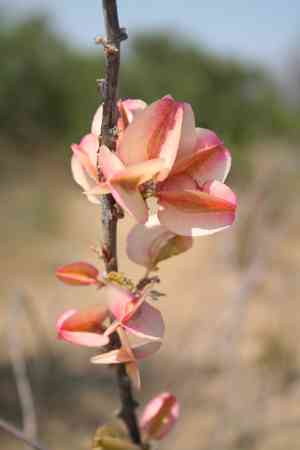
Flame keeper flourishes when relocated during the peak of mid-to-late spring or the start of summer, as these periods offer ideal circumstances for root development. Select a bright location with soil that drains effectively for superior outcomes.
Essential Preparations Before Relocating Flame Keeper?
Optimal Period for Moving Flame Keeper?
Relocating flame keeper during the middle to end of spring or beginning of summer is perfect due to mild temperatures and increased precipitation, which aid root development. This timing ensures the plant has ample growth time before intense summer heat or winter cold, maximizing its chances of survival and robust growth.
Required Spacing Between Flame Keeper Plants?
When moving flame keeper, position plants approximately 6-10 feet (1.8-3 meters) apart. This provides ample room for growth and ensures proper air circulation.
Ideal Soil Blend for Flame Keeper Relocation?
For flame keeper, prepare soil that drains well and is enriched with organic compost. Incorporating a balanced fertilizer with a 10-10-10 ratio will supply vital nutrients.
Where to Replant Your Flame Keeper?
Flame keeper thrives in full sun, so select a spot that receives at least 6 hours of direct sunlight daily. This promotes strong and healthy plant development.
Equipment Needed Before Transplanting Flame Keeper?
Gardening Gloves
To safeguard your hands while handling soil and the plant.
Shovel or Spade
For digging around and lifting the plant from its current spot.
Trowel
Useful for smaller digging tasks and precise work.
Wheelbarrow
To move the plant from its original position to the new site.
Watering Can or Hose
For hydrating the plant before and after relocation.
Pruning Shears
To trim any damaged or excess roots during the transplant process.
Stakes and Ties
To support the plant if necessary after replanting.
How to Extract Flame Keeper from the Ground?
How to Extract Flame Keeper from the Ground?
From Ground: First, water the flame keeper plant to moisten the soil. Then, dig a wide trench around the plant using a shovel or spade, ensuring the plant's root ball remains intact. Carefully work the spade under the root ball to lift the plant from its original location.From Pot: Water the plant thoroughly beforehand. Gently tilt the pot on its side and carefully slide out the plant, supporting its root ball with your hand. If it's stuck, a gentle tap on the pot's bottom can help loosen it.From Seedling Tray: Water the seedlings well. Use a trowel or spoon to scoop out the seedlings, ensuring each uprooted seedling has a good amount of soil clinging to its roots.
Step-by-Step Guide for Relocating Flame Keeper
Site Preparation
Prepare the new area by loosening the soil and removing any weeds or debris. This ensures the soil is ready to comfortably accommodate the flame keeper plant.
Digging the Hole
Excavate a hole in the new location that is twice as wide and the same depth as the flame keeper plant's root ball. This provides ample space for roots to spread and establish.
Placing the Plant
Carefully position the flame keeper plant into the hole, ensuring the top of the root ball is level with the surrounding soil. Adjust the hole's depth if needed.
Backfilling
Fill the hole with soil, pressing gently to remove any air pockets. The soil should be firmly packed but not overly compressed. Water the plant thoroughly after backfilling to settle the soil.
Staking (if needed)
For taller flame keeper, use stakes and ties to provide support until the plant is securely established and can stand independently.
Post-Transplant Care for Flame Keeper
Watering
Keep the soil around the flame keeper consistently moist, but not waterlogged, for the initial weeks after transplanting to aid in strong root development.
Mulching
Apply a layer of mulch around the plant's base to retain moisture, regulate soil temperature, and suppress weeds.
Monitoring
Observe for signs of plant stress, such as wilting or yellowing leaves, and adjust care as necessary. Ensure it receives adequate water.
Support
Regularly check any stakes and ties to ensure they are secure but not harming the plant. Adjust as needed to accommodate growth.
Pruning
Remove any dead or damaged leaves or stems to help the plant direct its energy towards establishing new roots.
Resolving Common Issues with Flame Keeper Relocation.
When is the best time to transplant flame keeper?
The optimal period to relocate flame keeper is from mid to late spring and early summer.
How should I space flame keeper plants?
Position flame keeper 6 to 10 feet (1.8 to 3 meters) apart for ideal growth.
What type of soil does flame keeper need?
Flame keeper thrives in well-draining soil rich in organic material.
How much water does flame keeper require after transplanting?
Flame keeper needs moderate watering, ensuring the soil stays moist but not saturated.
How deep should I plant flame keeper's roots?
Plant flame keeper's roots at the same depth they were in their original spot.
Should I prune flame keeper before transplanting?
Yes, trim any damaged or excessively long roots to encourage healthy growth.
What temperature should the soil be for transplanting flame keeper?
The soil should be around 50°F to 60°F (10°C to 16°C) for optimal transplanting.
Should I fertilize flame keeper after transplanting?
Use a balanced, slow-release fertilizer after transplanting to support flame keeper's development.
How do I handle flame keeper's roots during transplanting?
Be gentle with flame keeper's roots to prevent damage and assist in its establishment in the new soil.
Can I transplant flame keeper during its flowering season?
It's best to avoid relocating flame keeper while it's blooming to prevent stress and ensure its vitality.



