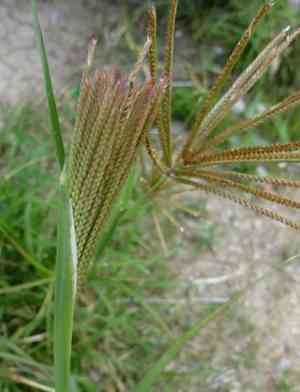
Hooded windmill grass (Chloris cucullata)
Also known as: Curly Windmill Grass, Lawn Windmill Grass
Hooded windmill grass (Chloris cucullata) is a perennial warm-season grass native to the United States. It thrives in regions like Texas and New Mexico, blooming in the spring with tall stalks adorned with tiny, light brown flowers. This grass attracts butterflies and various insects, supports wildlife grazing, and provides seeds that are a food source for small animals and birds.
In This Article
Attributes of Hooded windmill grass
Lifespan
Perennial
Plant Type
Grass
Plant Height
15 cm to 60 cm
Spread
Not typically mentioned, as grasses don\'t form crowns in the same way trees do.
Leaf Color
Green
Flower Size
Approx. 0.5-1 inches (1.3-2.5 cm)
Flower Color
Yellow Green Red Brown
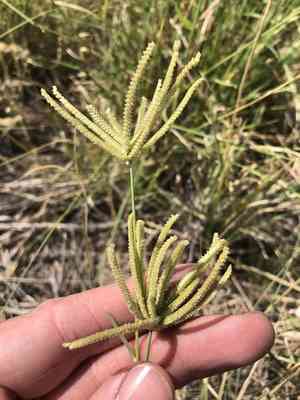
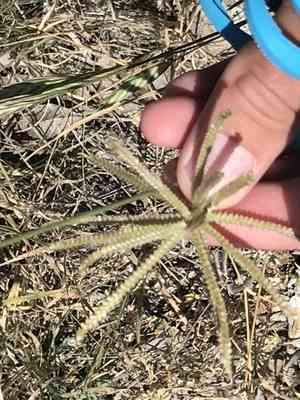
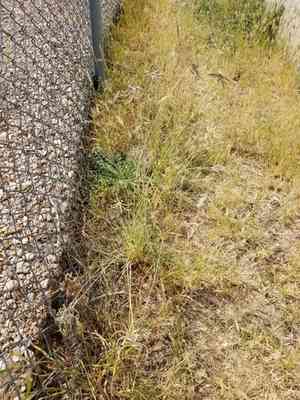
Images of Hooded windmill grass
Quickly Identify Hooded windmill grass
1
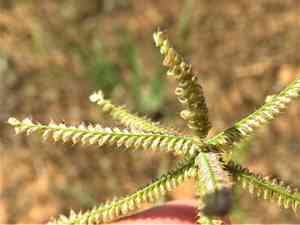
Chloris cucullata can be identified by its unique seed heads that appear windmill-like and curl at maturity. The plants have slender, green leaves, and the seed heads emerge from tall stems.
Scientific Classification of Hooded windmill grass
Phylum
Vascular plants
Class
Monocotyledons
Order
Poales
Family
Grass
Genus
Windmill grasses
Species
Hooded windmill grass
Planting and Growing of Hooded windmill grass
Care Difficulty
Easy
Watering Schedule
Every 3 days
Sunlight Requirements
Full sun
Sunshine Duration
6-12 hours
Ideal Temperature
65-75℉
Soil Type
Potting Mix, Peat Mix
Soil pH
6.5-7.5
Fertilizer Type
Balanced
Pruning Season
Spring, Summer
Pruning Area
Branches, Leaves
Pruning Frequency
2 times a year
Repotting Season
Spring
Pot Type
Plastic, Terracotta
 How to Water Hooded windmill grass?
For Chloris cucullata, the ideal watering amount is enough to moisten the soil thoroughly without causing waterlogging. This plant typically thrives when the soil is allowed to dry slightly between watering sessions, as too much moisture can lead to root rot.
What are the symptoms of an underwatered Hooded windmill grass?
›
What should I do if my Hooded windmill grass is not getting enough water?
›
What are the symptoms of an overwatered Hooded windmill grass?
›
How to save an overwatered Hooded windmill grass?
›
 What Are the Sunlight Requirements for Hooded windmill grass?
Chloris cucullata ideally requires full sun to partial sun conditions. Adequate lighting ensures robust growth, healthy green foliage, and overall vigor. It is important to monitor and maintain suitable light exposure for optimal results.
What are the ideal light conditions for Chloris cucullata?
›
How can you ensure ideal lighting conditions for Chloris cucullata?
›
What benefits does Chloris cucullata receive from ideal lighting conditions?
›
 What Is the Ideal Temperature Range for Hooded windmill grass?
For optimal growth, Chloris cucullata prefers a temperature range of 65 to 75 degrees Fahrenheit. This range ensures the plant's metabolic processes operate efficiently, promoting healthy growth and vitality.
 What Soil is Best for Hooded windmill grass?
Chloris cucullata thrives in well-drained soil that prevents waterlogging and root rot. Adequate drainage allows roots to access oxygen, promoting healthy growth and vibrant foliage. This plant prefers soil with moderate nutrient levels. Balanced nutrients support robust growth and flowering, ensuring the plant's optimal development and resilience against pests. Though well-drained, the soil should hold enough moisture to sustain the plant between waterings. Proper water retention minimizes drought stress and sustains cell turgor, keeping the plant healthy.
 How to Fertilize Hooded windmill grass?
Chloris cucullata benefits from moderate fertilization. Use approximately 1 teaspoon of liquid fertilizer per gallon of water or 2 ounces of slow-release granules per square yard of soil. Ensure even distribution for balanced nutrient uptake.
 How to Prune Hooded windmill grass?
The best time to prune Chloris cucullata is in the morning when temperatures are cooler, reducing stress to the plant. Avoid pruning during the hottest part of the day to prevent wilting. After pruning, water Chloris cucullata generously to help it recover. Moisture encourages healing and supports new growth, ensuring that the plant remains vibrant and lush.
More About Pruning Techniques→
 How to Propagate Hooded windmill grass plant?
1
Harvest mature seeds from the plant once they have fully developed. Ensure the seeds are dry before collection to prevent mold growth during storage.
2
Select healthy stems and cut them at an angle just below a node. Remove any leaves from the lower part of the cutting to facilitate rooting.
3
Sow the seeds in a well-draining seed mix or plant the cuttings into a suitable medium. Water them gently and maintain consistent moisture to encourage root development.
 How to Repot Hooded windmill grass plant?
1
Chloris cucullata indicates it’s ready for repotting when you observe roots circling the bottom of its current pot or poking out from drainage holes. Another key sign is when growth appears stunted or the plant begins to dry out too quickly after watering, indicating the current pot is insufficient.
2
Select a new pot that is 1-2 inches larger in diameter than the previous one. The pot should have adequate drainage holes to prevent waterlogging. A slightly larger pot allows space for root expansion, ensuring healthy growth and preventing root-bound conditions.
3
Use a well-draining potting mix, enhanced with organic matter like perlite or sand for improved aeration and moisture control. This choice maintains a balanced moisture level, preventing root rot while facilitating nutrient uptake.



