How to Transplant Hooded windmill grass?
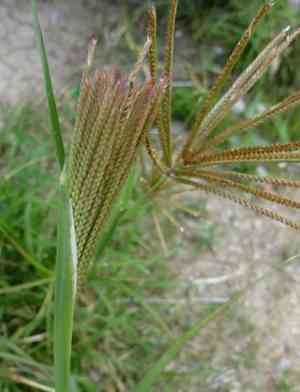
For hooded windmill grass, the ideal period for relocation extends from the onset of early spring through the mild temperatures of late spring. A location bathed in sunlight with adequately draining earth is crucial for hooded windmill grass to flourish after being moved. Utilize this time of year for successful garden alterations.
Essential Preparations Before Relocating Hooded Windmill Grass
Optimal Period for Relocating Hooded Windmill Grass?
The ideal time to move hooded windmill grass is from the start of warmer weather until just before the peak of summer heat. Transplanting hooded windmill grass during this timeframe allows roots to firmly establish prior to intense heat. Placing it in the soil when frost danger has passed but before summer's height offers a gentle transition, perfect for hooded windmill grass's development. This timing utilizes the season's mild conditions, fostering stronger root growth and adaptation without extreme temperature stress.
Recommended Spacing Between Hooded Windmill Grass Plants?
When preparing to plant your hooded windmill grass, aim to provide each individual plant with adequate room, roughly 6-8 inches (15-20 cm) apart. This will ensure they have the necessary space to thrive and grow robustly!
Ideal Soil Mixture for Hooded Windmill Grass Transplantation?
For your hooded windmill grass, consider preparing the planting area like crafting a comfortable bed. Begin with soil that drains well and incorporate some compost or a balanced, slow-release fertilizer to welcome your plants to their new home.
Preferred Location for Your Hooded Windmill Grass?
Your hooded windmill grass will flourish in a sunny garden spot where it can receive at least 6 hours of direct sunlight daily. They are sun-loving plants, so the more light, the better!
Equipment Needed Before Transplanting Hooded Windmill Grass
Gardening Gloves
To safeguard your hands while handling soil and plants.
Shovel or Spade
For excavating the plant and preparing the new planting hole.
Watering Can or Hose
To hydrate the plant before and after its relocation.
Pruners or Scissors
To trim any damaged roots or foliage prior to transplanting.
Wheelbarrow or Garden Cart
For moving the plant and soil efficiently.
Trowel
Useful for refining the planting hole or extracting a plant from its container.
Method for Extracting Hooded Windmill Grass from the Ground
How to Extract Hooded Windmill Grass from the Soil?
From Ground: First, moisten the hooded windmill grass plant to soften the soil, making removal easier. Carefully dig around the plant in a wide circle to avoid damaging the root system. Slide the shovel beneath the root ball and gently lift the plant from the ground.From Pot: Begin by watering the hooded windmill grass plant to ensure root moisture. Tilt the pot sideways, supporting the plant with one hand. Gently tap the pot's bottom and sides to loosen the root ball. Carefully slide the plant out, keeping the soil around the roots intact.From Seedling Tray: Thoroughly water the seedlings to prevent root shock. Use a trowel or your fingers to carefully lift the hooded windmill grass from its compartment, taking care not to harm the delicate root structure.
Detailed Steps for Transplanting Hooded Windmill Grass
Prepare the New Site
Ensure the new area is free of weeds and debris. Dig a hole that is twice as wide and as deep as the plant's root ball.
Plant Removal
Follow the specific removal procedure for the hooded windmill grass based on its original location (ground, pot, or seedling tray).
Root Examination
Inspect the root ball of the hooded windmill grass, trimming any damaged or overly long roots with pruners or scissors.
Plant Placement
Position the hooded windmill grass in the center of the prepared hole. The top of the root ball should be level with the ground surface.
Backfilling the Hole
Carefully backfill the hole with soil, gently firming it around the root ball to eliminate any air pockets. Ensure the hooded windmill grass is stable and upright.
Watering
Water the hooded windmill grass generously after transplanting to help settle the soil and hydrate the roots.
Mulching
Apply a layer of mulch around the base of the hooded windmill grass to conserve moisture and suppress weeds, avoiding direct contact with the stem.
Post-Transplant Care for Hooded Windmill Grass
Monitoring
Observe the hooded windmill grass for signs of stress, such as wilting or discolored leaves, and address any issues promptly.
Watering
Maintain consistent moisture around the hooded windmill grass, especially during the initial weeks. Adjust watering based on rainfall and temperature.
Mulch Maintenance
Periodically check the mulch and replenish it to maintain a protective layer for the hooded windmill grass's roots.
Pruning
Trim any dead or dying foliage to encourage new growth and maintain the health of the hooded windmill grass.
Support
If the hooded windmill grass shows signs of leaning or instability, use plant stakes or ties to provide additional support until it is well established.
Resolving Common Issues with Hooded Windmill Grass Transplantation.
When is the best time to transplant hooded windmill grass?
Choose the period from early to late spring, when the soil is warm and moist.
What spacing should I use for hooded windmill grass when transplanting?
Ensure a spacing of 6-8 inches (15-20 cm) between them for optimal growth.
Which soil type is ideal for transplanting hooded windmill grass?
They thrive in well-draining soil with moderate fertility; avoid overly rich or poor soils.
How much sunlight does hooded windmill grass require after transplanting?
Place hooded windmill grass in an area that receives full sun for the majority of the day.
Should I water hooded windmill grass immediately after transplanting?
Yes, water them thoroughly to aid root establishment, avoiding excess which can lead to root rot.
Why is my transplanted hooded windmill grass wilting?
Wilting can be due to transplant shock; ensure proper watering and initially avoid direct midday sun.
What depth should I plant hooded windmill grass's root ball?
The root ball should be planted at the same depth it was previously grown at in its container or setting.
Can I fertilize hooded windmill grass right after transplanting?
Wait approximately 4-6 weeks before fertilizing to allow hooded windmill grass to acclimate to its new location.
How do I identify if hooded windmill grass is experiencing transplant shock?
Signs include wilting leaves, yellowing, and stunted growth; provide consistent care during this period.
Is mulching beneficial for hooded windmill grass post-transplant?
Mulching helps retain moisture and regulate soil temperature, assisting in the settling process.



