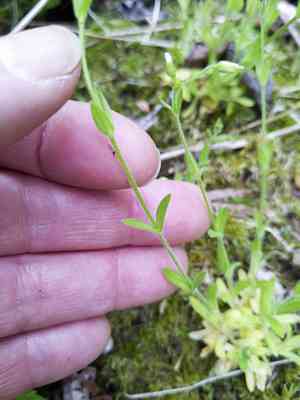
Short-stalk chickweed (Cerastium brachypodum)
Also known as: Mouse-ear Chickweed
Short-stalk chickweed (Stellaria neglecta) is a low-growing annual or biennial herb. Key characteristics include:
1. **Leaves**: Opposite, ovate to lanceolate, with a smooth or slightly hairy texture.
2. **Stems**: Slender and often hairy.
3. **Flowers**: Small and white, featuring five petals that are deeply notched, giving a star-like appearance.
4. **Fruit**: Small capsules containing numerous seeds.
**Habitat preferences**:
- Favors moist, shaded areas.
- Commonly found in woodland edges, hedgerows, and damp meadows.
- Thrives in nutrient-rich soils.
This plant is well-suited to temperate regions, flourishing in environments with consistent moisture.
In This Article
Attributes of Short-stalk chickweed
Lifespan
Perennial
Plant Type
Herb
Plant Height
5 cm to 20 cm
Spread
20-50 cm
Leaf Color
Grayish-green
Flower Size
1-2 cm
Flower Color
White
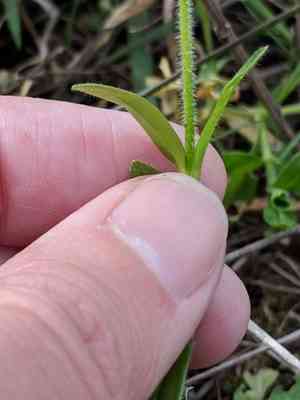
Images of Short-stalk chickweed
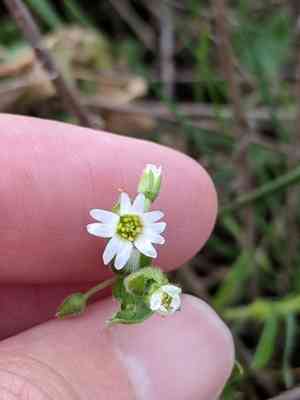
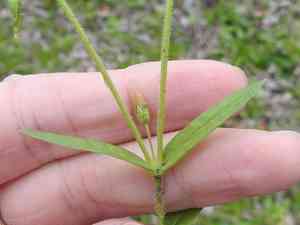
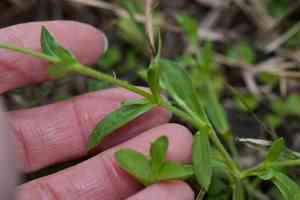
Quickly Identify Short-stalk chickweed
1
This plant can be identified by its small, white flowers with deeply notched petals and hairy, grayish-green leaves that form a low mat on the ground.
Scientific Classification of Short-stalk chickweed
Phylum
Vascular plants
Class
Dicotyledons
Order
Caryophyllales
Family
Pink
Genus
Mouse-ear chickweed
Species
Short-stalk chickweed
Planting and Growing of Short-stalk chickweed
Care Difficulty
Moderate
Watering Schedule
Every 2 days
Sunlight Requirements
Partial sun
Sunshine Duration
6-10 hours
Ideal Temperature
60-75℉
Soil Type
Potting Mix, Peat Mix
Soil pH
6.5-7.5
Fertilizer Type
Balanced
Pruning Season
Spring, Summer
Pruning Area
Branches, Leaves
Pruning Frequency
2 times a year
Repotting Season
Spring
Pot Type
Plastic, Ceramic
 How to Water Short-stalk chickweed?
For Cerastium brachypodum, ensure the soil is moist but not waterlogged. A good rule of thumb is to water until you see a slight trickle from the drainage holes, suggesting that the soil is evenly moistened. Approximately 200 ml of water should suffice for each session, depending on pot size and soil type.
What are the symptoms of an underwatered Short-stalk chickweed?
›
What should I do if my Short-stalk chickweed is not getting enough water?
›
What are the symptoms of an overwatered Short-stalk chickweed?
›
How to save an overwatered Short-stalk chickweed?
›
 What Are the Sunlight Requirements for Short-stalk chickweed?
The ideal light range for Cerastium brachypodum is partial to full sun, ensuring about 4-6 hours of sunlight daily. This range supports robust growth and vibrant blooms while maintaining the plant's energetic and physiological balance.
What is the best time for sunlight exposure?
›
How to optimize its light exposure?
›
Why is appropriate lighting crucial?
›
 What Is the Ideal Temperature Range for Short-stalk chickweed?
The ideal temperature range for Cerastium brachypodum is between 60°F and 75°F. Maintaining this temperature range ensures optimal growth by providing a conducive environment for physiological and metabolic processes. Adequate warmth supports photosynthesis and nutrient assimilation, helping the plant thrive.
 What Soil is Best for Short-stalk chickweed?
Cerastium brachypodum thrives in well-drained soil conditions to prevent root rot. Well-drained soils ensure that excess water doesn't pool around the roots, providing an aerated environment for optimal growth. This reduces the likelihood of fungal infections, thereby promoting healthier plants. The plant benefits from a nutrient-rich soil composition that provides essential minerals required for robust growth. Adding organic matter or a balanced fertilizer can help maintain soil fertility, boosting both foliage and flowering. While not drought-resistant, this plant prefers moderate moisture levels. Consistent watering without over-saturating the soil will aid in maintaining healthy vigor and lush foliage.
 How to Fertilize Short-stalk chickweed?
For Cerastium brachypodum, applying a balanced fertilizer with an NPK ratio such as 10-10-10 is suitable. Use a half-strength dilution for liquid fertilizers to avoid overfeeding, and about 1/2 teaspoon for slow-release granules per plant.
 How to Prune Short-stalk chickweed?
In spring, pay special attention to any winter damage. Cut back old blooms and stems to encourage fresh spring growth. In summer, focus on removing spent flowers and using this as an opportunity to shape the plant. This will help maintain a compact and appealing silhouette. Avoid heavy pruning in autumn and winter, as this can stress the plant when it is not actively growing. Always clean your pruning tools before and after use to prevent the spread of disease. Ensure blades are sharp to make clean cuts that heal quickly. Dull tools can crush stems, making the plant more susceptible to pests and diseases. Consider using smaller tools for precise pruning of this plant's delicate structure.
More About Pruning Techniques→
 How to Propagate Short-stalk chickweed plant?
1
Fill seed trays with a quality seedling mix. Moisten the mixture and ensure it's evenly spread without being waterlogged. This preparation step is crucial to facilitate proper seed germination.
2
Select healthy stems from the parent plant to take cuttings. Cut just below a node and remove the lower leaves. Ensure each cutting is approximately 4 inches long to promote successful rooting.
3
Carefully remove the plant from its pot and gently divide the root ball. Each division should have a healthy amount of roots and foliage to ensure it can grow independently when planted.
 How to Repot Short-stalk chickweed plant?
1
You'll know it's time to repot Cerastium brachypodum when you notice roots growing out of the drainage holes, the plant's growth seems stunted, or it dries out too quickly after watering. These signs indicate the plant has outgrown its current pot and needs more space.
2
Choose a pot that's one size larger than the current one. A good rule of thumb is to opt for a pot that's about 2 inches wider in diameter. This provides ample space for root expansion, ensuring the plant doesn't become root-bound too quickly.
3
Opt for a well-draining potting mix that includes a blend of peat, perlite, and sand. This composition ensures adequate aeration and prevents waterlogging, which is crucial for the healthy growth of Cerastium brachypodum.
Learn More About Short-stalk chickweed Diseases
Anthracnose
Bacterial Leaf Spot
Bacterial Soft Rot
Damping-off
Downy Mildew
Drought Stress
Fusarium Wilt
Gray Mold
Leaf Spot
Mosaic
Nutrient Deficiency
Nutrient Toxicity
Powdery Mildew
Root Rot
Root-knot Nematode
Rusts
Sooty Mold
Spider Mites
Temperature Stress
Thrips Damage
White Mold
Chemical Injury



