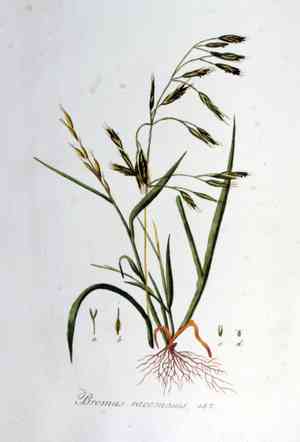
Smooth brome (Bromus racemosus)
Also known as: Hairy bromegrass, Upright bromegrass
Smooth brome is a grass species not commonly seen in home gardens. It features upright stems and tall, spike-like flower clusters that are typically light purple. In natural settings, it often thrives in moist or periodically flooded meadows.
In This Article
Attributes of Smooth brome
Lifespan
Annual
Plant Type
Grass
Plant Height
25 cm to 1.1 m
Spread
10-20 cm
Leaf Color
Green
Flower Size
Not applicable
Flower Color
Yellow Green Purple Brown
Images of Smooth brome

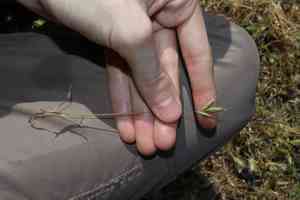
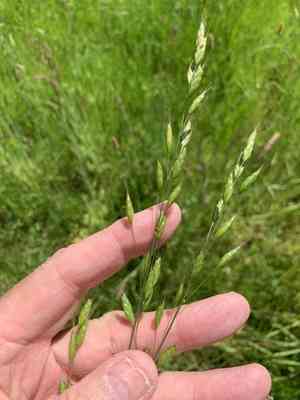
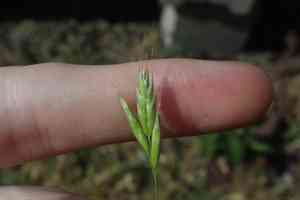
Quickly Identify Smooth brome
1
To identify Bromus racemosus, look for its loosely branched, raceme-like panicles, narrow and flat leaves, and membranous ligules. The spikelets are elongated and bear several florets.
Scientific Classification of Smooth brome
Phylum
Vascular plants
Class
Monocotyledons
Order
Poales
Family
Grass
Genus
Bromes
Species
Smooth brome
Planting and Growing of Smooth brome
Care Difficulty
Easy
Watering Schedule
Every 4 days
Sunlight Requirements
Partial sun
Sunshine Duration
6-10 hours
Ideal Temperature
59-77℉
Soil Type
Potting Mix, Peat Mix
Soil pH
6.5-7.5
Fertilizer Type
Balanced
Pruning Season
Spring, Summer
Pruning Area
Branches, Leaves
Pruning Frequency
2 times a year
Repotting Season
Spring
Pot Type
Plastic, Ceramic
 How to Water Smooth brome?
Bromus racemosus prefers consistent moisture without being waterlogged. Ensure the soil is evenly damp but not overly saturated. Watering thoroughly ensures that the water reaches the root system, promoting healthy growth. It's best to allow the top inch of soil to dry out between waterings to prevent root rot.
What are the symptoms of an underwatered Smooth brome?
›
What should I do if my Smooth brome is not getting enough water?
›
What are the symptoms of an overwatered Smooth brome?
›
How to save an overwatered Smooth brome?
›
 What Are the Sunlight Requirements for Smooth brome?
Bromus racemosus prefers partial sun, which allows for balanced growth and robust health. Adequate light enhances its natural resilience and encourages lush development.
What is the ideal light condition for Bromus racemosus?
›
How can Bromus racemosus achieve ideal lighting conditions?
›
What are the benefits of ideal light conditions for Bromus racemosus?
›
 What Is the Ideal Temperature Range for Smooth brome?
The ideal temperature range for Bromus racemosus is between 59°F and 77°F. Within this range, the plant experiences optimum physiological processes, including photosynthesis and nutrient uptake. This range supports healthy growth and minimized stress on the plant. Ideal conditions help the plant produce lush foliage and robust roots, which are key for overall health and reproduction.
 What Soil is Best for Smooth brome?
Soil with good drainage is crucial for Bromus racemosus as it prevents waterlogging, which can suffocate the roots. This promotes healthy growth and helps prevent root rot and other water-related diseases. Bromus racemosus thrives in loamy soil with moderate nutrient content, as it provides a balanced supply of essential nutrients for optimal growth. Ensuring proper fertilization enhances plant health and vigor. Sandy loam soil offers moderate moisture retention, which is ideal for Bromus racemosus. It ensures the roots have access to water without the risk of being waterlogged, a critical balance for sustainable growth.
 How to Fertilize Smooth brome?
Bromus racemosus thrives with a balanced approach to fertilization. A light hand is key, as excessive nutrients can lead to lush leaves but weak root systems. Apply liquid fertilizer at a rate of 1 tsp per gallon of water, ensuring thorough soil saturation.
 How to Prune Smooth brome?
Examine your Bromus racemosus and identify any dead, diseased, or damaged stems. These parts typically look brown or discolored and lack the vibrant green of healthy foliage. To maintain an attractive shape, gently trim any uneven or overly long stems. Aim for a balanced look without drastically altering the plant's natural form. After pruning, collect all clippings and dispose of them properly. Leaving them around the plant can attract pests or spread disease.
More About Pruning Techniques→
 How to Propagate Smooth brome plant?
1
Fill seed trays with a nutrient-rich potting mix. Ensure there is a good balance of moisture retention and drainage to create an optimal germination environment for Bromus racemosus seeds.
2
Place Bromus racemosus seeds on the surface of the potting soil and lightly cover them with a thin layer of soil. Ensure seeds are evenly spaced to give each seedling enough room to grow after germination.
3
Keep the seed trays in a location with ample indirect sunlight and a consistent temperature of around 18-22°C (64-72°F). Regularly water the trays to maintain moisture but avoid waterlogging to prevent seed rot.
 How to Repot Smooth brome plant?
1
Bromus racemosus typically signals the need for repotting when it starts outgrowing its current pot, with roots visibly crowding the bottom or poking out of drainage holes. Ideal repotting time is during the growing season in spring or early summer when the plant is actively growing, allowing it to quickly establish in a new pot.
2
Select a pot that is one size larger than the current one, ensuring it has adequate drainage holes. This promotes good airflow, prevents waterlogging, and offers enough space for root expansion. A clay pot can be ideal, as it breathes well and helps in moisture regulation, creating a conducive environment for Bromus racemosus.
3
Opt for a well-draining, loamy soil mix. Such soil ensures proper aeration and prevents water retention which is crucial to avoid root rot. Adding some perlite or sand can enhance drainage, providing the roots with the perfect balance of moisture and nutrients, fostering healthy growth.



