How to Prune Smooth brome?
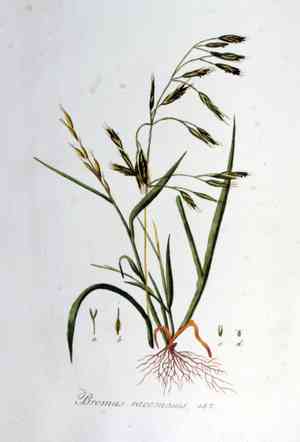
This enduring grass flourishes in expansive spaces, characterized by a thick, fibrous root structure. Trim smooth brome to preserve its well-being and form by removing withered leaves in the spring. Throughout the summer and autumn, judiciously reduce older stalks to stimulate fresh development. The most effective pruning takes place when active growth recommences. Consistent trimming upholds strength and deters excessive proliferation. Prompt pruning guarantees resilience, enabling smooth brome to thrive with revitalized energy annually.
Advantages of Trimming smooth brome
Advantages of Trimming smooth brome
Trimming smooth brome aids in sustaining its robust development and preserving its optimal shape. Regular cutting promotes a dense habit, which is crucial for its aesthetic appeal and overall well-being.
Optimal Period for Trimming smooth brome
Optimal Period for Trimming smooth brome
Trimming smooth brome in early spring is advantageous as it revitalizes the plant post-winter dormancy, fostering vigorous new growth as the active season commences. Early summer trimming can assist in shaping smooth brome and managing its size. Furthermore, it enables the removal of any diseased or damaged sections before they can impact the plant's general health. Late fall trimming is ideal for preparing smooth brome for its dormant phase by eliminating dead or excess growth, which can help avert disease and pest infestations. It is vital to refrain from trimming smooth brome in late summer or early fall, as new growth might be too delicate to endure the impending cold. The suggested seasons align with smooth brome's life cycle, ensuring strong growth and aiding in maintaining plant health and appearance.
Required Tools for Trimming smooth brome
Grass Shears
Perfect for trimming and shaping smooth brome, as they allow for precise cuts without harming nearby foliage.
Hand Pruners
Useful for removing dead or compromised parts of smooth brome, ensuring clean cuts that encourage healthy regeneration.
Scythes or Sickle
Effective for rapidly cutting larger areas of smooth brome, especially when dealing with mature plants or thick patches.
How to Trim smooth brome
Preparation for removal
Prepare clean and sharp pruning shears or scissors specifically for foliage to ensure a clean cut without damaging smooth brome.
Identification of withered leaves
Identify the withered or dead leaves on smooth brome by looking for discolored, dry, or brittle foliage that no longer contributes to the plant's growth.
Pruning cut
Carefully trim the withered leaves at their base, where they meet the stem, to remove them without harming the healthy parts of smooth brome.
Ensuring a clean cut
Make each cut precise and clean to prevent tearing that could open smooth brome to disease or pest infestation.
Disposal of debris
Dispose of the removed foliage properly, keeping the area around smooth brome clear to deter pests and diseases from lingering near the plant.
Common Trimming Errors with smooth brome
Excessive trimming
Cutting back smooth brome too much can hinder its growth and resilience. smooth brome should not be pruned too severely as it needs sufficient foliage to support photosynthesis and nutrient storage.
Dull tools
Using dull blades can cause jagged cuts that harm smooth brome's health. Clean and sharp pruning tools are crucial to make clean cuts and prevent damage to the plant tissues.
Tearing Stems
Ripping or tearing the stems instead of cutting can lead to unnecessary injury to smooth brome. This can open up the plant to pests and diseases and impede its ability to recover properly.
Ignoring plant form
Failing to consider smooth brome's natural growth pattern when pruning can result in an odd or unbalanced appearance. It's essential to maintain the integrity of its form for optimal health and aesthetics.
Improper disposal
Leaving pruned material on or around smooth brome can promote disease and pest infestation. Proper disposal of pruning debris helps to keep the plant healthy.
General Trimming Advice for smooth brome
Sanitize tools
Before pruning smooth brome, always sanitize your tools to prevent the spread of disease. Disinfect pruners with alcohol or a bleach solution between cuts, especially when cutting through diseased material.
Selective thinning
To stimulate growth and airflow, selectively thin out smooth brome's older stems. This encourages light penetration and reduces the likelihood of fungal diseases due to moisture build-up.
Cut at an angle
Make angled cuts on smooth brome to prevent water accumulation on the cut surfaces. Angled cuts will help to promote healing and prevent disease.
Prune for health
Remove any dead, damaged, or diseased stems from smooth brome to maintain plant vigor. This will redirect the plant's energy into producing new, healthy growth.
Encourage new growth
When trimming smooth brome, make cuts above a node or bud facing the outside of the plant. This will encourage new branches to grow outward, improving smooth brome's shape and fullness.



