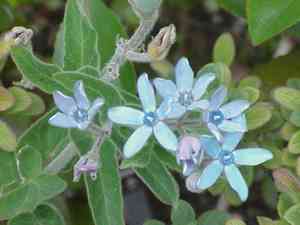
Blue tweedia (Oxypetalum coeruleum)
Also known as: Blue Star, Tweedia caerulea
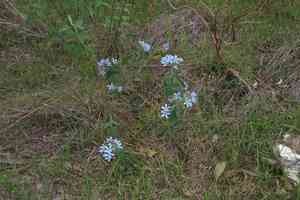
Oxypetalum coeruleum, commonly known as Southern Star, is an evergreen perennial that can reach up to 99 cm in length. It features heart-shaped leaves that complement its pale blue, star-shaped flowers, which bloom from summer to fall. Despite being a perennial, it is occasionally cultivated as an annual in gardens because it can become somewhat scraggly.
In This Article
Attributes of Blue tweedia
Lifespan
Perennial, Annual
Plant Type
Herb
Plant Height
1 m
Spread
60 cm to 90 cm
Leaf Color
Green
Flower Size
2.5 cm
Flower Color
Blue
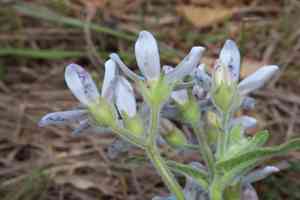
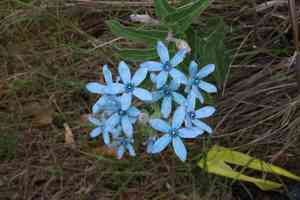
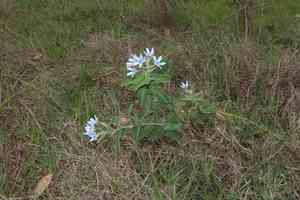
Images of Blue tweedia
Quickly Identify Blue tweedia
1
Twining perennial reaching 2-3 feet (60-90 cm) tall, but can grow up to 10 feet (3 meters) with support.
2
Long, gray-green leaves covered in fine, soft hair, about 4 inches (10 cm) in length.
3
Clusters of star-shaped pale blue flowers with darker turquoise centers during summer.
4
Blue five-petaled flowers fading to soft purple, each petal 0.5 to 1 inch (1.3 to 2.5 cm) long.
5
Distinct heart-shaped leaves with a dull green color, 2-4 inches (5-10 cm) in length.
Scientific Classification of Blue tweedia
Phylum
Vascular plants
Class
Dicotyledons
Order
Gentianales
Family
Dogbane
Genus
Oxypetalum
Species
Blue tweedia
Planting and Growing of Blue tweedia
Care Difficulty
Moderate
Watering Schedule
Every 4 days
Sunlight Requirements
Partial sun
Sunshine Duration
6-12 hours
Ideal Temperature
60-75℉
Soil Type
Potting Mix, Peat Mix
Soil pH
6.5-7.5
Fertilizer Type
Balanced
Pruning Season
Spring, Summer
Pruning Area
Branches, Leaves
Pruning Frequency
2 times a year
Repotting Season
Spring
Pot Type
Plastic, Ceramic
 How to Water Blue tweedia?
Oxypetalum coeruleum requires a careful balance when it comes to watering. A moderate amount of around 250 milliliters per watering session should suffice. The key is to water thoroughly but avoid waterlogging. Ensure that the water is evenly distributed through the soil without leaving excess moisture sitting at the bottom, which could lead to root rot.
What are the symptoms of an underwatered Blue tweedia?
›
What should I do if my Blue tweedia is not getting enough water?
›
What are the symptoms of an overwatered Blue tweedia?
›
How to save an overwatered Blue tweedia?
›
 What Are the Sunlight Requirements for Blue tweedia?
Ideal light conditions encompass partial sunlight exposure with 4 to 6 hours of sunlight daily. This helps maintain healthy foliage and magnificent blooms, harnessing just enough sun for optimal photosynthetic performance.
More About Sunlight Requirements Techniques→
What is the optimal amount of light for Oxypetalum coeruleum?
›
How can I ensure ideal lighting conditions for my plant?
›
Why is proper lighting important for this plant species?
›
 What Is the Ideal Temperature Range for Blue tweedia?
The ideal temperature range for growing Oxypetalum coeruleum is between 60°F to 75°F. This range provides a warm and stable environment conducive to the plant's growth and health, allowing it to thrive without experiencing temperature stress. Maintaining this temperature range will ensure optimal photosynthesis and nutrient uptake.
 What Soil is Best for Blue tweedia?
Oxypetalum coeruleum thrives in well-drained soil which prevents waterlogging, thus reducing root rot risks. Ensuring good drainage is crucial, especially in potted scenarios, for robust plant growth. This plant prefers soil that retains a moderate level of moisture without remaining soggy. A balance of moisture retention helps sustain healthy growth and flowering without the threat of root diseases. Rich soil with sufficient organic matter supports Oxypetalum coeruleum’s lush growth. The presence of nutrients in the soil encourages vibrant blooms and healthy foliage.
 How to Fertilize Blue tweedia?
For Oxypetalum coeruleum, a balanced liquid fertilizer diluted to half strength is ideal. Apply approximately 100-150 ml per plant for liquid fertilizers, ensuring that the soil is moist before application to prevent root burn.
 How to Prune Blue tweedia?
Begin by examining the plant for any stems that appear dead, diseased, or damaged. Remove these first to encourage clean growth and allow energy to be focused on healthy parts of the plant. Shape the plant by trimming any overgrown stems that disrupt the desired form. Additionally, prune to improve airflow around the center of the plant, reducing the risk of fungal diseases. To encourage bushier growth, pinch back the tips of new stems. This simple technique promotes branching, leading to a fuller appearance and more abundant flowering.
More About Pruning Techniques→
 How to Propagate Blue tweedia plant?
1
Start by preparing a well-draining soil mix in seedling trays. Ensure that the soil is slightly moist to facilitate the germination process. Scatter the seeds over the surface and cover them lightly with soil.
2
Select a healthy stem from the parent plant, approximately 4-6 inches long. Remove the lower leaves and dip the cut end in rooting hormone to encourage root development. Plant the cutting in a pot filled with a well-draining soil mix.
3
For both seeds and cuttings, maintaining high humidity levels and a warm environment is crucial. Cover seed trays with a plastic dome or place cuttings in a propagator to retain moisture and warmth.
 How to Repot Blue tweedia plant?
1
Oxypetalum coeruleum needs repotting when roots start emerging from the drainage holes or become visibly crowded. Typically, late spring or early summer is an ideal time to repot, ensuring the plant is actively growing and can recover quickly from root disturbance.
2
Choose a pot that's one to two inches larger in diameter than the current one, with ample drainage holes. This helps prevent waterlogging, a common issue that can lead to root rot, and provides space for root expansion.
3
Opt for a potting mix that is well-draining yet retains some moisture, like a mix of peat, perlite, and sand. This blend ensures the roots receive adequate air and drainage while still holding necessary moisture for nourishment.
Learn More About Blue tweedia Diseases
Anthracnose
Bacterial Leaf Spot
Bacterial Soft Rot
Bacterial Wilt
Black Spot
Chemical Injury
Crown Gall
Cyst Nematode
Damping-off
Downy Mildew
Drought Stress
Fusarium Wilt
Gray Mold
Leaf Curl
Leaf Spot
Mosaic
Nutrient Deficiency
Nutrient Toxicity
Powdery Mildew
Root Rot
Root-knot Nematode
Rusts
Sooty Mold
Spider Mites
Temperature Stress
Thrips Damage
White Mold



