Enhancing Your Garden Design with the Blue tweedia Plant: A Landscaping Guide
1
Blue tweedia provides vibrant hues and a distinct feel to your outdoor space.
2
Blue tweedia helps draw in beneficial insects and promotes local ecological variety.
3
Adaptable and hardy, Blue tweedia fits well into diverse garden designs.
Introducing Blue Tweedia for Landscape Use
Blue Tweedia's Visual Appeal: An Overview
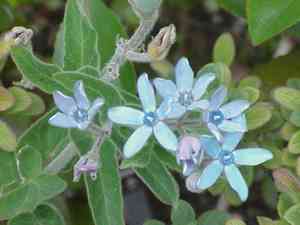
Gardeners and landscapers often choose Blue Tweedia for its remarkable beauty. Its captivating blue color offers a distinct and striking visual element, uncommon among garden plants. This vibrant shade can either contrast or complement green foliage, making Blue Tweedia prominent in any garden design.
Initial Considerations for Integrating Blue Tweedia into Your Garden
Before planting Blue Tweedia, several initial factors require attention. First, assess your garden's sun exposure, as Blue Tweedia flourishes in sunny locations. Additionally, ensure your soil drains well to prevent waterlogging, which can impede its growth. Finally, consider your landscape's overall design to seamlessly incorporate Blue Tweedia with other plants and features.
Advantages of Incorporating Blue Tweedia in Your Outdoor Areas
Visual Impact: Enhancing Color and Texture
Blue Tweedia offers more than just beauty; it significantly enhances visual impact. Its vibrant blue leaves and delicate form contribute both color and texture, creating a dynamic garden experience. Whether grouped or mixed with other species, Blue Tweedia can transform an ordinary space into a lively, picturesque garden.
Attracting Wildlife: Blue Tweedia's Role in Supporting Biodiversity
A key benefit of adding Blue Tweedia to your landscape is its ability to draw in beneficial wildlife. This plant is particularly attractive to pollinators like butterflies and bees, boosting your garden's biodiversity. Providing a habitat for these creatures not only improves ecological balance but also promotes healthier plant growth overall.
Adaptability: How Blue Tweedia Thrives in Various Landscapes
Blue Tweedia is renowned for its versatility and hardiness, making it suitable for diverse landscaping needs. Whether in urban gardens, rural settings, or even container gardening, Blue Tweedia can adapt and flourish. Its capacity to endure different environmental conditions and soil types makes it a low-maintenance, high-impact addition to your garden.
Design Concepts and Placement for Blue Tweedia
Using Blue Tweedia as a Focal Point in Garden Designs
To maximize Blue Tweedia's visual charm, consider using it as a central feature in your garden design. Place it in prominent spots where its vivid colors and unique shape can be fully appreciated. This could be at the center of a flowerbed, alongside paths, or as a solitary specimen.
Companion Plants: What Pairs Well with Blue Tweedia
Selecting appropriate companion plants can amplify Blue Tweedia's beauty and create a harmonious garden design. Consider pairing it with plants that offer contrasting colors or complementary growth habits. Think of plants with yellow or white blooms, or those with varied foliage textures to achieve a balanced and appealing garden layout.
Blue Tweedia in Compact Spaces: Balconies and Patios
If space is limited, Blue Tweedia is equally effective in small areas. Planting it in pots on balconies or patios can introduce a burst of color and vitality to these spaces. Its suitability for container gardening ensures that even those with restricted outdoor space can enjoy this adaptable plant.
Maintenance Guidelines for Blue Tweedia in a Landscaped Setting
Basic Upkeep for Optimal Growth
Maintaining Blue Tweedia is quite simple. Regular watering, especially during dry periods, will keep it hydrated. Occasional pruning is also recommended to encourage bushier growth and remove any dead or damaged parts. Fertilizing with a balanced, slow-release fertilizer during the growing season can also enhance its health and vibrancy.
Seasonal Care Adjustments
Blue Tweedia's care requirements can change with the seasons. During warmer months, more frequent watering may be necessary, while in cooler seasons, reducing irrigation can prevent root rot. In spring, consider reapplying mulch to retain soil moisture and protect the roots. Understanding these seasonal adjustments will ensure your Blue Tweedia thrives year-round.
Common Issues and Solutions with Blue Tweedia
Managing Typical Pests and Diseases
Although Blue Tweedia is generally robust, it can occasionally be affected by pests and diseases. Common problems include aphids and powdery mildew. Regular plant inspections and the use of organic insecticides or fungicides can effectively address these issues. Introducing natural predators like ladybugs can also help control pest populations.
Troubleshooting Poor Growth and Other Problems
If Blue Tweedia isn't flourishing, consider examining a few key factors. Poor growth often stems from insufficient sunlight or improper watering. Ensuring the plant receives adequate light and adjusting watering routines usually resolves these issues. If problems persist, soil testing may reveal deficiencies that can be corrected with suitable soil amendments.



