How Much Sunlight Do Blue tweedia Need?
1
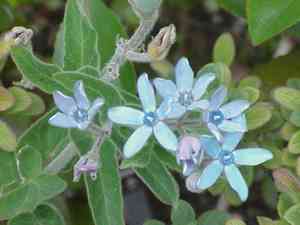
Blue tweedia flourishes optimally with over six hours of direct sun each day.
2
Although it can endure some shade, Blue tweedia produces fewer flowers under these circumstances.
3
Indoor Blue tweedia might benefit from additional grow lights to guarantee sufficient light levels.
Understanding the Light Needs of Blue tweedia
Native Environment and Illumination
Blue tweedia, originating from South America, specifically Brazil and Uruguay, flourishes in areas with abundant sunshine. In its natural setting, it receives full sun, which promotes its vivid blue blooms. These regions typically offer consistent light, supporting the plant's robust growth cycle.
Seasonal Light Changes
Blue tweedia can adapt to varying seasons, but it thrives most during the extended daylight hours of spring and summer. During these periods, it generally gets the necessary daily light. However, in autumn and winter, shorter days and reduced light levels might necessitate adjustments, such as moving the plant to a brighter spot or employing grow lights indoors to simulate its preferred conditions.
How Much Direct Sun Does Blue tweedia Require?
Optimal Daily Sun Exposure
For peak growth and flowering, Blue tweedia needs at least 6-8 hours of direct sunlight each day. This full sun exposure ensures the plant develops its best color and blooms profusely. Insufficient sunlight can result in less vibrant flowers and diminished overall growth.
Morning vs. Afternoon Illumination
Consistent sunlight is crucial for Blue tweedia. Morning sun is particularly beneficial as it's less intense and aids the plant in starting its photosynthesis process effectively. While afternoon sun is also advantageous, in extremely hot climates, it might cause leaf scorching. Therefore, positioning the plant where it receives morning light and filtered light in the afternoon can be ideal.
Can Blue tweedia Endure Shade?
Partial Shade Tolerance
Although Blue tweedia prefers full sun, it can withstand partial shade. In shaded conditions, however, expect fewer flowers and potentially a lankier plant due to it stretching for light. For gardeners in areas with intense summer heat, some afternoon shade can prevent the plant from getting scorched.
Impact of Insufficient Light
Inadequate light can severely affect Blue tweedia. When deprived of sufficient sunlight, the plant's growth slows, and the vibrant blue flowers may become sparse or absent. Additionally, the foliage might yellow, and the plant could become more vulnerable to pests and diseases due to weakened health.
Indoor vs. Outdoor Light for Blue tweedia
Outdoor Planting Recommendations
Planting Blue tweedia outdoors allows it to benefit from natural sunlight, vital for its development. Select a location that receives full sun for most of the day. Ensure good soil drainage to prevent waterlogging, which can be harmful. When planted outdoors, regularly monitoring its light exposure and watering needs can help maintain its health.
Indoor Light Requirements
If cultivating Blue tweedia indoors, place it in the brightest available spot, ideally near a south or west-facing window. This placement ensures the plant receives ample light throughout the day. Rotating the plant occasionally can also help ensure even light distribution and prevent it from growing unevenly.
Utilizing Grow Lights Indoors
In situations where natural sunlight is insufficient or during the short days of winter, using grow lights can be highly effective. LED or fluorescent grow lights positioned about 15-30 cm (6-12 inches) above the plant can supplement the required light. Aim to provide 12-16 hours of artificial light daily to mimic the plantâs outdoor growing conditions.
Common Light-Related Issues in Blue tweedia
Signs of Excessive Sunlight
While Blue tweedia loves sunlight, too much exposure, especially in scorching climates, can lead to leaf scorch. Indicators of excessive sunlight include browning edges on the leaves and a generally wilted appearance despite adequate watering.
Recognizing Sunburn
Sunburn in Blue tweedia appears as bleached or white patches on the leaves. These spots signify that the plant has been exposed to intense sunlight for too long. If sunburn occurs, moving the plant to a slightly shadier spot can aid its recovery. Regularly checking the plant for signs of sun stress during hot periods can prevent sunburn.
Addressing Low Light Stress
Conversely, low light stress can make Blue tweedia weak and leggy. Such stress is evident through elongated stems and pale, yellowing leaves. Gradually increasing light exposure or supplementing with grow lights can alleviate low light stress and help the plant regain its vitality.



