How to Transplant Blue tweedia?
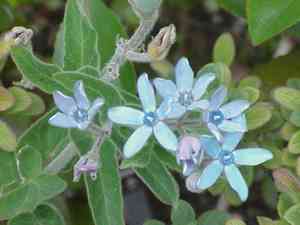
Relocate blue tweedia during mid-spring to encourage vigorous development. Select a bright location featuring soil that drains effectively. Should space be limited, arrange the plants in an alternating pattern. To guarantee successful establishment, handle them gently to safeguard their root systems and supply generous hydration after transplantation.
Essential Preparations Before Relocating Blue Tweedia?
When is the Best Time to Move Blue Tweedia?
The optimal period for relocating blue tweedia is during the mild warmth of mid-to-late spring. This timeframe provides an ideal balance of moderate temperatures and soil conditions conducive to root development. Moving blue tweedia in this season leverages increasing daylight and stable weather to promote robust growth. Furthermore, transplanting at this point allows blue tweedia to adapt before summer heat intensifies, setting the stage for a flourishing display.
What is the Recommended Spacing Between Blue Tweedia Plants?
For your beautiful blue tweedia, it's advisable to allow ample space between each specimen. Approximately 2-3 feet (60-90 cm) should be sufficient. This provides them with room to spread and develop naturally. Remember, patience is crucial in gardening!
What is the Ideal Soil Mixture for Blue Tweedia Transplanting?
Let's prepare the soil for blue tweedia. Select well-draining soil, preferably a loamy type. Incorporate a balanced base fertilizer (a 10-10-10 ratio is suitable!). This will give your plant a healthy start and maximize its potential.
Where Should You Replant Your Blue Tweedia?
Regarding the perfect spot for blue tweedia, locate an area where it can receive full sun for a portion of the day, yet also benefit from partial shade. This will help keep your plant content and blooming for an extended period!
What Tools Are Necessary Before Transplanting Blue Tweedia?
Gardening Gloves
To safeguard your hands while handling the plant and working with the soil.
Garden Spade or Trowel
Excellent for extracting plants from containers and the ground, useful for excavating the transplanting hole in the new site.
Garden Fork
Helpful for breaking up compacted soil and ensuring proper aeration.
Watering Can/Hose
For hydrating the plant after relocation.
Bucket
A receptacle to hold your plant during its transfer from one location to another.
How to Extract Blue Tweedia from the Soil?
How to Extract Blue Tweedia from the Soil?
From Ground: Thoroughly water the blue tweedia plant to moisten the soil surrounding its roots. Then, carefully dig around the plant with a spade or trowel, maintaining adequate distance between the plant and your digging to prevent root damage. Once you've completed a full circle, dig deeper and gently begin to free the plant. When it's loose, carefully lift the plant from the hole and place it in a bucket.From Pot: Water the pot and allow it to soak for a few minutes. Turn the pot on its side. Now, gently squeeze or tap the sides to loosen the soil and roots. Invert it and firmly tap the bottom while supporting the plant until it slides out. Be careful not to pull the plant out by its stem or leaves.Seedling Tray: Water the tray thoroughly. Use a narrow trowel or a seedling transplanter to dig out the seedling with as much of its roots and surrounding soil as possible, then gently lift it without pulling on the stem or leaves.
Step-by-Step Guide for Relocating Blue Tweedia
Excavating the Hole
Use your spade or trowel to dig a hole that is twice as wide and the same depth as the blue tweedia plant's root ball. If the soil is dense, use a garden fork to loosen it for improved root penetration.
Positioning the Plant
Place the plant in the hole ensuring it sits at the same depth as in its previous location; too high and the roots will dry out, too low causes the stem to rot.
Backfilling the Hole
Fill the hole halfway with the excavated soil. Water it thoroughly, then fill the remainder of the hole. Gently firm the soil with your hands to eliminate any air pockets.
Watering
Water generously after the plant is in its new home, allowing the water to soak in, then provide a second drink to the area around the plant to ensure complete saturation.
How to Care for Blue Tweedia After Relocation?
Watering
Check daily and water the blue tweedia plant as needed for the initial few weeks until it establishes a robust root system. Be mindful of soil moisture levels and weather conditions to prevent dehydration or overwatering.
Pruning
For the first year after transplantation, avoid any severe pruning to allow the blue tweedia plant to recover from the shock of being moved. However, remove any damaged, diseased, or dead parts as soon as they are noticed.
Monitoring
Closely observe the blue tweedia plant's growth and health. Watch for pest issues or signs of disease, and address them promptly to prevent further harm to the plant.
Resolving Common Issues with Blue Tweedia Transplantation.
What's the optimal time of year to transplant blue tweedia?
The best transplanting season for blue tweedia is during the transition of seasons 2 & 3, when conditions for plant growth are most favorable.
How far apart should blue tweedia be when planted?
For successful cultivation of blue tweedia, plant each one 2-3 feet (60 to 90 cm) apart. This spacing provides ample room for mature growth.
What type of soil does blue tweedia prefer when transplanting?
Blue tweedia thrives in well-draining soil, ideally rich in organic matter. Avoid heavy clay or waterlogged soils as they can lead to root rot.
What depth should blue tweedia be planted?
Position blue tweedia in the hole at the same depth as its previous growing conditions; the root ball should be level with the top of the hole.
Should blue tweedia be watered immediately after transplanting?
Yes, water blue tweedia generously right after transplanting to help the roots settle and minimize transplant shock.
What light conditions are best for growing blue tweedia post-transplant?
Blue tweedia flourishes in full sun to partial shade. The more sunlight it receives, the more flowers it will produce.
Can blue tweedia be transplanted when it's flowering?
Generally, avoid transplanting blue tweedia while it is flowering. The plant expends energy on blooms that could be better utilized for survival post-transplant.
How to handle blue tweedia when transplanting so as not to damage it?
Carefully lift blue tweedia from its base, focusing on the root ball, not the stem or leaves, to prevent damage during transplant.
What care should blue tweedia receive after transplanting?
Water blue tweedia regularly until established, apply an organic mulch to maintain soil moisture, and provide support if necessary. Avoid over-watering.
How soon after transplanting will blue tweedia bloom?
With proper post-transplant care, blue tweedia should begin producing flowers in the subsequent growing season, if transplanted at the appropriate time.



