The Blue tweedia Plant Advantage: Maximizing Home and Office Appeal and Wellness
1
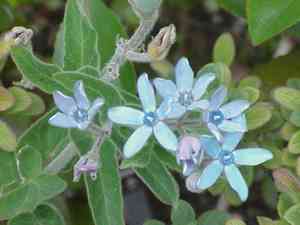
Blue tweedia is recognized for its vibrant blue blossoms that enhance the aesthetic appeal of any garden.
2
This botanical specimen draws in helpful insects, fostering a thriving garden environment.
3
Blue tweedia can withstand diverse soil types, simplifying its cultivation.
Why Incorporate Blue Tweedia into Your Garden?
Aesthetic Allure
A primary reason to feature Blue tweedia in your garden is its striking visual appeal. This plant produces brilliant blue blossoms throughout the growing season, injecting a burst of color that can invigorate any garden space. Its distinct shade stands out against typical green foliage, creating a captivating centerpiece.
Ecological Advantages
Beyond its beauty, Blue tweedia offers significant environmental benefits. It's known for attracting pollinators such as bees and butterflies. These beneficial insects support overall garden health by assisting in the pollination of various plant species. Furthermore, Blue tweedia can help deter pests, thereby reducing the need for chemical pesticides and encouraging an organic gardening approach.
How Does Blue Tweedia Improve Your Garden's Ecosystem?
Attracting Beneficial Insects
One of the ecological advantages of Blue tweedia is its capacity to draw in a variety of helpful insects. Pollinators like bees and butterflies are drawn to its bright flowers, boosting the pollination rates of other plants in your garden. This not only aids in producing more flowers and fruits but also enhances biodiversity, making your garden a small sanctuary for wildlife.
Supporting Soil Health
Another benefit of cultivating Blue tweedia is its positive influence on soil health. The plant can thrive in diverse soil conditions, from sandy to well-drained loam, making it a versatile addition to any garden. Its root systems help stabilize the soil, reducing erosion and improving its structure. This can lead to better water retention and nutrient availability for other plants.
What Are Practical Cultivation Tips for Blue Tweedia?
Optimal Growth Conditions
To get the most from Blue tweedia in your garden, it's crucial to understand its ideal growing conditions. This plant flourishes in full sun but can also tolerate partial shade, making it adaptable to various garden environments. It prefers well-drained soil but is quite resilient and can grow in less-than-ideal soil conditions, as long as it's not waterlogged. Consistent watering is advised, especially during dry periods, to keep it thriving.
Propagation Methods
Propagating Blue tweedia can be done through seed sowing or cuttings. If starting from seeds, sow them indoors early in the spring, then transplant the seedlings outdoors once the danger of frost has passed. For those preferring cuttings, take a healthy stem cutting and root it in a mixture of sand and compost. Both methods are relatively straightforward, making Blue tweedia an accessible plant for gardeners of all experience levels.
How Can Blue Tweedia Be Utilized in Garden Design?
Creating Visual Highlights
Blue tweedia can be used to establish captivating focal points in your garden. Its vibrant blue flowers contrast beautifully with other plants, drawing the eye and adding depth to your garden design. Consider planting it in clusters or along pathways to maximize its visual impact.
Companion Planting
To enhance the aesthetic appeal and ecological benefits of Blue tweedia, consider companion planting. Pair it with other pollinator-friendly plants like lavender, coneflower, and yarrow to create a diverse, vibrant, and healthy garden ecosystem. This will not only make your garden more visually appealing but also more beneficial to local wildlife.



