How to Prune Blue tweedia?
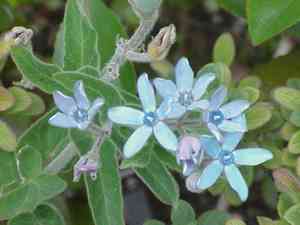
Originating from South America, blue tweedia is celebrated for its groupings of vibrant blue, star-like blossoms. Trim blue tweedia consistently to preserve its form, foster denser development, and boost flower production. Removing faded flowers encourages additional blooming and hinders seed development. A gentle trim of the stalks following the primary flowering phase can prompt a subsequent bloom. Trimming can occur throughout the year, but it is most effective post-flowering. When cutting, prioritize eliminating lifeless or frail stems to enhance air movement and the plant's well-being.
Advantages of Trimming Blue Tweedia
Advantages of Trimming Blue Tweedia
Trimming blue tweedia promotes abundant flowering, maintains its desired shape, and stimulates vigorous development. Regular trimming ensures blue tweedia remains attractive and robust, enhancing its performance throughout the growing period.
Optimal Time for Trimming Blue Tweedia
Optimal Time for Trimming Blue Tweedia
The best time to trim blue tweedia is from late winter to early spring. This period occurs after the coldest part of winter has passed, but before new growth begins in spring. Trimming at this time leverages blue tweedia's dormant phase, minimizing stress and reducing the likelihood of disease or pest infestation. It also encourages strong growth and blooming in the upcoming season, as trimming prompts the plant to produce new growth once the weather warms. Avoiding autumn trimming is vital because new growth stimulated by trimming might not harden off in time for winter, potentially leading to cold damage.
Tools Required for Trimming Blue Tweedia
Bypass Pruners
Preferred for making precise cuts on blue tweedia. They cause less harm to plant tissues, fostering healthier growth after trimming.
Pruning Shears
Ideal for delicate, hands-on tasks. Useful for shaping blue tweedia and snipping off dead or overgrown branches.
Gloves
Protection is essential to prevent scratches or irritation from blue tweedia's sap. Durable gloves are recommended for safe handling.
Garden Scissors
Best for thinning blue tweedia's smaller and more intricate branches, where accuracy is crucial.
Clean Cloth
To wipe the blades of the trimming tools after use, preventing the spread of disease and ensuring the longevity of the tools when working on blue tweedia.
How to Trim Blue Tweedia
Sanitize Tools
Before starting, sanitize trimming shears or clippers by wiping them with alcohol or a bleach solution to prevent the spread of disease to blue tweedia.
Remove Diseased Parts
Carefully remove any diseased leaves and branches from blue tweedia. Make cuts at a 45-degree angle just above a leaf node for optimal healing and avoid leaving stubs which can attract pests.
Eliminate Dead Material
Trim away dead branches and withered leaves. Cut back dead material to the point where there is healthy, green growth to encourage blue tweedia to direct energy towards healthy tissues.
Deadhead Flowers
Deadhead spent blooms by snipping the withered flower just above the first set of healthy leaves. This promotes continued blooming and maintains the aesthetics of blue tweedia.
Shaping
After removing all unhealthy and dead material, shape blue tweedia if necessary by selectively trimming back overgrown branches to maintain a balanced structure.
Common Trimming Errors with Blue Tweedia
Excessive Trimming
Removing too many stems or foliage can shock blue tweedia and disrupt its growth, potentially leading to reduced flowering or even plant death.
Improper Cuts
Making jagged or torn cuts can result in damage to blue tweedia, opening the plant up to disease and pest infestation.
Trimming Without Sterilizing Tools
Using dirty tools can introduce diseases to blue tweedia, which can be especially harmful if the plant has open wounds from trimming.
Trimming Too Close To The Main Stem
Cutting too close to the main stem can harm blue tweedia by removing crucial nodes that produce new shoots and flowers.
Neglecting To Remove Dead Or Diseased Material
Failing to trim away dead or diseased stems and leaves can hinder blue tweedia's health and vitality as these parts can harbor pests and diseases.
General Trimming Advice for Blue Tweedia
Sterilize Tools
Before trimming blue tweedia, always clean and sterilize the tools to prevent the spread of disease.
Angle The Cuts
Make clean, angled cuts just above a leaf node to encourage blue tweedia to produce more side branches, resulting in a fuller plant with more blooms.
Retain Plant Shape
When trimming blue tweedia, maintain the natural shape of the plant. Avoid over-trimming, aiming to remove only about a third of the plant at a time for the best health and appearance.
Thin Out
Thin out crowded areas to improve air circulation for blue tweedia, reducing the risk of fungal diseases.
Encourage New Growth
By trimming blue tweedia strategically, gardeners can encourage the plant to put energy into producing new, healthy shoots and vibrant flowers.



