How to Propagate Blue tweedia?
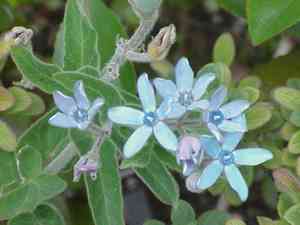
Blue tweedia, a distinctive decorative milkweed, can be successfully multiplied via cuttings. Choose robust, non-blooming stems meticulously to enhance propagation success. Employ a sharp, sanitized tool for making incisions to avert illness and stimulate faster root formation. A rooting compound may be put on the severed ends prior to inserting them into a well-aerated potting blend, ensuring steady dampness without saturation. Supplying ample, diffused illumination will foster the emergence of vigorous, fresh development.
Optimal Timing for Blue Tweedia Propagation
Propagation Type
Cutting
Propagation Season
Spring,Summer
Essential Tools for Blue Tweedia Propagation
Sharp, Clean Pruning Shears
These shears ensure precise and clean cuts during the cutting procedure, minimizing harm to blue tweedia's tissues. Clean cuts help prevent pathogen introduction and promote faster healing and root initiation.
Rooting Hormone (Indole-3-butyric acid)
This hormone encourages the growth of new roots from blue tweedia cuttings. Applying a rooting hormone to the cut surface increases the likelihood of successful root formation, vital for new plant viability.
Sterile Potting Mix
Utilizing a sterile potting mix prevents diseases and offers a clean environment, crucial for successful rooting of blue tweedia cuttings. The mix should provide good drainage while retaining sufficient moisture to support root growth without waterlogging.
Humidity Dome or Plastic Cover
This tool maintains a moist atmosphere around blue tweedia cuttings, which helps prevent moisture loss through transpiration. A stable moisture environment is essential for encouraging root development in the early propagation stages.
Heat Mat
A heat mat provides warmth from below, stimulating root growth in blue tweedia cuttings, especially beneficial during cooler temperatures. Consistent warmth can significantly improve rooting success rates by offering an optimal growth environment.
Blue Tweedia Propagation Guide
Propagation Type
Easy
Post-Propagation Care for Blue Tweedia
Post-Propagation Care for Blue Tweedia
After successful blue tweedia propagation, continue to provide bright, indirect sunlight and consistent moisture, avoiding waterlogged soil. Fertilize monthly during the growing season with a balanced, water-soluble fertilizer. Offer support for climbing stems, if needed, and protect from frost as blue tweedia prefers warmer temperatures. Prune regularly to encourage bushier growth and deadhead spent blooms to promote further flowering.
Common Errors to Avoid When Propagating Blue Tweedia
Overwatering Cuttings
Gardeners may keep the soil excessively wet, causing blue tweedia cuttings to rot before rooting. Too much water limits oxygen for cuttings, fostering fungal growth and decay.
Neglecting Humidity
Failure to maintain high humidity around blue tweedia cuttings can lead to desiccation and poor root development. Cuttings require a consistently moist environment to form new roots.
Planting Too Deep
Inserting blue tweedia cuttings too deeply into the propagation medium can cause stem rot and reduce oxygen availability to developing roots, impeding growth.
Using Old or Diseased Plant Material
Propagating blue tweedia from older or diseased plant parts can result in poor growth or spread of disease to new plants, significantly reducing propagation success.
Ignoring Sanitation
Not sterilizing tools or using clean propagation media can introduce pathogens to blue tweedia cuttings, leading to infections and reduced rooting success.
Blue Tweedia Propagation Advice
Stem Cutting Length
Use 4-6 inch stem cuttings from healthy, disease-free blue tweedia plants. This length is optimal for root development without stressing the cutting.
Bottom Heat
Apply gentle bottom heat to the propagation area to encourage quicker rooting of blue tweedia without drying out the medium, enhancing the environment for root growth.
Well-Draining Medium
Utilize a light, well-draining medium to propagate blue tweedia cuttings. A mix of peat and perlite or sand improves aeration and reduces the chance of rot.
Indirect Light
Position blue tweedia cuttings in bright, indirect sunlight. Direct sun can scorch delicate cuttings, while insufficient light may hinder rooting and growth.
Regular Monitoring
Regularly check moisture levels and for signs of root growth, adjusting care as needed for blue tweedia. Early detection of issues can prevent cuttings from failing.



