How Often Should You Water Your Starch grape hyacinth?
1
Watering schedule: A general recommendation is every one to two weeks, but always inspect the soil beforehand.
2
Excessive watering can be as detrimental as insufficient watering; look for leaf indicators of stress.
3
The best time to hydrate your Starch grape hyacinth is in the early morning to minimize water loss through evaporation.
Grasping the Hydration Requirements of Starch Grape Hyacinth
Primary Elements Affecting Water Needs
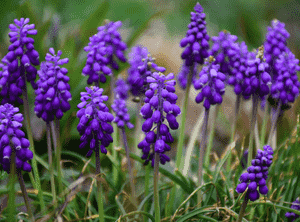
The Starch grape hyacinth is a charming plant recognized for its vivid blue flower clusters. Comprehending its water demands necessitates evaluating several aspects. Firstly, the plant's developmental stage influences its water intake. During periods of active growth, it requires more moisture. Another vital factor is the soil composition. Well-draining soil is crucial to avert root decay. Furthermore, environmental conditions such as humidity, temperature, and wind also dictate how frequently you should irrigate your Starch grape hyacinth. For example, elevated temperatures and wind can accelerate soil drying, requiring more frequent watering.
Seasonal Adjustments in Irrigation
Watering your Starch grape hyacinth also depends on the changing seasons. In spring and autumn, when the plant is actively growing and flowering, it needs more water. Conversely, during the hot summer months, while the plant may still require regular watering due to increased evaporation, you should be careful not to overwater as its growth decelerates. In winter, when the plant enters dormancy, significantly reduce watering. Keeping the soil slightly damp but not saturated will help your plant endure colder months without the risk of root rot.
Indicators of Insufficient and Excessive Watering
Knowing if your Starch grape hyacinth is receiving the correct amount of water is essential. Signs of underwatering include drooping foliage, parched soil, and stunted development. Conversely, overwatering can manifest as yellowing leaves, moldy soil, and even root rot. It's crucial to observe these indicators to modify your watering practices accordingly. A good habit is to routinely check soil moisture; if the top 2-3 centimeters (1 inch) of soil feels dry, it's time to irrigate. Utilizing a soil moisture meter can also help prevent over or underwatering.
How to Properly Hydrate Starch Grape Hyacinth
Optimal Practices for Effective Irrigation
Effective watering methods can significantly impact the vitality of your Starch grape hyacinth. Begin by ensuring you water the soil directly rather than the leaves to prevent fungal diseases. Watering should be deep and thorough, allowing moisture to reach the root zone. This encourages deeper root growth, making the plant more drought-resistant. Another best practice is to water slowly to allow the soil to fully absorb the moisture, preventing runoff and ensuring the water penetrates the root zone.
Selecting the Appropriate Watering Tools and Methods
Choosing the right implements can simplify hydrating your Starch grape hyacinth. A watering can with a narrow spout is excellent for precise and targeted watering, ensuring the water reaches the soil around the plant. If you prefer using a hose, opt for a soaker hose or a drip irrigation system. These tools deliver slow and steady moisture directly to the soil, enhancing water absorption and minimizing waste. Such techniques are particularly advantageous in larger gardens or during dry spells, ensuring consistent hydration without overwatering.
When to Water: Timing Recommendations
Timing your watering can also influence the health of your Starch grape hyacinth. Early morning irrigation is optimal because it allows water to soak into the soil before the day's heat increases evaporation. By watering in the morning, you also give the plant time to dry until evening, reducing the risk of fungal diseases. Avoid watering during the hottest part of the day or late in the evening. Midday watering can evaporate quickly, while evening watering can leave the plant with wet soil overnight, promoting disease.
Maintaining Moisture: Tips and Strategies
Utilizing Mulch and Other Moisture Retainers
Maintaining consistent moisture levels is vital for your Starch grape hyacinth. Applying mulch around the plant's base helps retain soil moisture, stabilize soil temperature, and suppress weeds. Organic mulches like shredded leaves, straw, or compost not only conserve moisture but also enhance soil health as they decompose. Apply a 5-7 centimeter (2-3 inches) thick layer of mulch around your plants, ensuring not to cover the stems, which could cause rot.
Monitoring Soil Moisture Levels
Regularly checking soil moisture ensures your Starch grape hyacinth receives the correct amount of water. One simple test is to insert your finger into the soil up to the first knuckle; if it feels dry, it's time to water. For a more precise approach, consider investing in a soil moisture meter. These tools are affordable and provide accurate readings, helping you maintain optimal moisture levels. Consistent monitoring can prevent the extremes of overwatering and underwatering, fostering a healthy, thriving plant.



