Enhancing Your Garden Design with the Starch grape hyacinth Plant: A Landscaping Guide
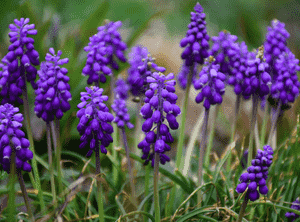
1
Starch grape hyacinth flourishes in diverse soil conditions, favoring good drainage for best development.
2
Pairing Starch grape hyacinth with other flowers that bloom in early spring can produce a striking aesthetic.
3
Caring for Starch grape hyacinth requires periodic attention to guarantee strong development throughout the year.
Introducing Starch Grape Hyacinth to Enhance Garden Aesthetics
Advantages of incorporating Starch grape hyacinth into landscapes
Starch grape hyacinth provides gardeners with several advantages. Its compact and resilient nature makes it an excellent choice for adding elegance and durability to your garden. Furthermore, its vivid blue and purple shades offer a striking visual contrast, delivering a refreshing burst of color in early spring. The minimal care requirements of Starch grape hyacinth also make it perfect for both new and experienced gardeners seeking to beautify their outdoor areas without extensive upkeep.
How Starch grape hyacinth integrates into modern garden designs
In contemporary garden aesthetics, simplicity and clean lines are paramount. Starch grape hyacinth fits perfectly into this style with its uniform foliage and clustered blossoms. Whether used in a minimalist design or integrated into a more diverse garden setting, Starch grape hyacinth can establish focal points and visual interest. Modern landscapes often emphasize organic forms and naturalistic plant arrangements, and Starch grape hyacinth can soften hardscape elements or add depth to flat, uninteresting spaces.
Selecting the Optimal Site for Starch Grape Hyacinth
Understanding Starch grape hyacinth's light requirements
Starch grape hyacinth thrives in full sun to partial shade. Positioning these plants where they receive ample sunlight will ensure vigorous blooming and healthy development. However, they can tolerate some shade, making them adaptable for various garden spots. Ensuring Starch grape hyacinth gets sufficient light during its active growth period will help achieve the best outcomes.
Preferred soil types for Starch grape hyacinth's optimal growth
Starch grape hyacinth favors well-drained soil, which prevents root rot and other moisture-related problems. While they are adaptable to various soil types, adding organic matter like compost can improve soil fertility and drainage. Testing your garden soil and amending it as needed can create ideal growing conditions for Starch grape hyacinth, ensuring they flourish throughout their growing season.
Space considerations for planting Starch grape hyacinth
When planning where to plant Starch grape hyacinth, consider their growth habit and mature size. They are relatively compact, making them excellent for borders, rock gardens, and container plantings. Spacing them appropriately allows for adequate air circulation and reduces disease risk. Grouping Starch grape hyacinth in clusters can create a more impactful display, while spreading them out can ensure they blend naturally with surrounding plants.
Design Concepts for Incorporating Starch Grape Hyacinth in Landscapes
Creating color contrasts with Starch grape hyacinth
One of Starch grape hyacinth's prominent features is its vibrant color, which can create stunning contrasts when paired with plants of complementary or contrasting hues. For instance, planting Starch grape hyacinth alongside yellow daffodils or white tulips can produce a striking visual appeal. Using the color wheel as a guide, you can combine Starch grape hyacinth with other flowers to create a harmonious and visually captivating garden palette.
Utilizing Starch grape hyacinth as a border or edging plant
Starch grape hyacinth is an excellent choice for borders or edging due to its low growth habit and dense flowering. Lining pathways, garden beds, or even the base of larger shrubs and trees with Starch grape hyacinth can define the garden space and add a refined touch. Their uniform height and bushy appearance can create neat, attractive edges that guide the eye and establish a sense of order in the garden.
Starch grape hyacinth in rock gardens: A practical example
Rock gardens offer unique landscaping opportunities, emphasizing natural, rugged beauty with low-growing and resilient plants. Starch grape hyacinth is perfect for these settings, as they can thrive in the challenging conditions typical of rock gardens. Placing Starch grape hyacinth among rocks and gravel not only showcases their hardy nature but also highlights their delicate blooms against contrasting textures. This can create an enchanting and serene garden feature.
Seasonal Care Advice for Starch Grape Hyacinth
Spring care recommendations for Starch grape hyacinth
Spring is the primary growing season for Starch grape hyacinth. To ensure healthy growth, water them regularly but avoid waterlogging. Prune dead foliage to encourage new growth and apply a balanced fertilizer if the soil lacks nutrients. Additionally, monitoring for pests and diseases during this active growth phase can help address any issues promptly.
Preparing Starch grape hyacinth for colder periods
As the growing season concludes, preparing Starch grape hyacinth for winter is crucial. This involves reducing watering as the plants enter dormancy and maintaining a layer of mulch to insulate their roots. In regions with harsh winters, covering Starch grape hyacinth with straw or evergreen boughs can provide additional protection against extreme cold. Following these steps ensures that Starch grape hyacinth will return each spring healthy and ready to bloom again.
Companion Planting with Starch Grape Hyacinth
Ideal companion plants for Starch grape hyacinth
Companion planting enhances the overall health and beauty of your garden. Excellent companions for Starch grape hyacinth include early spring bloomers like crocuses, snowdrops, and early tulips. These plants share similar light and soil requirements, creating a cohesive planting scheme. By combining Starch grape hyacinth with these companions, you can extend the blooming season and enjoy a more diversified and colorful landscape.
Advantages of thoughtful companion planting
Strategic companion planting offers numerous benefits, including pest control, improved pollination, and enhanced growth conditions. For instance, planting Starch grape hyacinth alongside herbs such as thyme or lavender can help naturally repel pests. Companion plants can also attract beneficial insects, promoting a healthy garden ecosystem. By carefully selecting plants that support each other's growth, you can create a harmonious and thriving garden environment.



