How to Propagate Starch grape hyacinth?
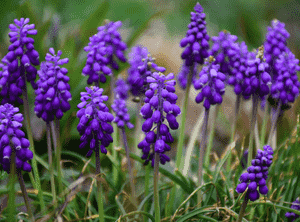
Muscari armeniacum propagates most effectively in the springtime by utilizing its corms. This technique poses a moderate level of challenge. Indicators of successful propagation encompass fresh shoots and leaves. Correct planting depth and adequate spacing are crucial for favorable outcomes.
Optimal Time for Starch Grape Hyacinth Propagation
Propagation Type
Utilize The Tubers
Propagation Season
Spring
Tools for Starch Grape Hyacinth Propagation
Trowel
A trowel is crucial for excavating small holes and managing soil when embedding starch grape hyacinth tubers. It enables precise and gentle handling, minimizing potential harm.
Gardening Gloves
Gardening gloves safeguard hands during soil and starch grape hyacinth tuber handling. They help prevent injuries from sharp objects and reduce skin irritation from soil pathogens.
Watering Can with a Fine Rose
A watering can equipped with a fine rose attachment delivers a gentle water spray that won't dislodge or expose newly planted starch grape hyacinth tubers. This ensures proper hydration without eroding the soil covering them.
Label and Permanent Marker
Labels inscribed with a permanent marker are used to mark planting locations and record vital details about starch grape hyacinth tubers, such as planting date, aiding in growth and care tracking.
Rake
A rake is employed to create an even and smooth planting bed for starch grape hyacinth tubers. It assists in removing debris and stones that could hinder tuber growth and optimizes soil conditions.
Sharp Knife or Blade
A sharp knife or blade might be necessary to divide starch grape hyacinth tubers if propagation involves tuber division. It ensures a clean cut, reducing damage and enhancing successful rooting chances.
Method for Propagating Starch Grape Hyacinth
Propagation Type
Utilize The Tubers
Difficulty Level
Simple
Post-Propagation Care for Starch Grape Hyacinth
Post-Propagation Care for Starch Grape Hyacinth
Water starch grape hyacinth consistently, keeping the soil damp but not saturated. Apply balanced fertilizer during the active growth phase. Remove spent flowers to encourage more foliage and potentially more blooms next year. In winter, if in a colder region, mulch the area to protect the tubers. Divide every three to five years to prevent overcrowding and promote robust growth.
Common Errors to Avoid When Propagating Starch Grape Hyacinth
Overwatering
Excessive watering can cause bulb rot in starch grape hyacinth, hindering successful propagation and potentially killing the plant.
Planting depth
Planting starch grape hyacinth bulbs too deeply can impede sprouting, while too shallow can expose them to temperature shifts and pests.
Ignoring clumping
Failure to separate and thin out clustered starch grape hyacinth bulbs can lead to poor air circulation and increased nutrient competition, weakening the plants.
Inadequate soil preparation
Using a soil medium that drains poorly or lacks nutrients can hinder starch grape hyacinth bulb development and growth.
Neglecting pest control
Ignoring the potential for pests like bulb mites can result in damaged starch grape hyacinth bulbs and reduced propagation success.
Advice for Propagating Starch Grape Hyacinth
Bulb inspection
Thoroughly examine starch grape hyacinth bulbs for signs of damage or disease before planting to ensure healthy propagation.
Appropriate spacing
Provide adequate space for starch grape hyacinth bulbs to ensure they have sufficient room to grow and multiply without excessive competition.
Soil fertility
Enhance soil with compost or a balanced fertilizer before planting starch grape hyacinth to encourage vigorous growth and propagation.
Adequate light
Ensure starch grape hyacinth receives ample sunlight after planting, as good light conditions are vital for proper growth.
Moderate watering
Provide starch grape hyacinth with consistent but moderate watering to maintain soil moisture without causing waterlogging and bulb rot.



