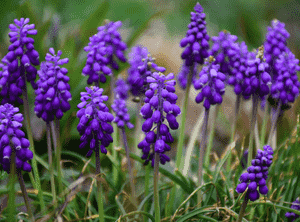
The Hidden Danger in Your Home? Unmasking the Toxicity of the Starch grape hyacinth Plant.
1
Ingestion of comisic acid in starch grape hyacinth may result in severe digestive problems.
2
Touching starch grape hyacinth directly can result in skin inflammation, leading to redness, itching, or blistering.
3
Starch grape hyacinth poses a moderate toxicity risk to felines and canines, potentially causing emesis and loose stools if consumed.
Is Starch grape hyacinth toxic to humans?
The bulb of the starch grape hyacinth contains comisic acid, a harmful chemical that should not be eaten. If consumed, it might lead to digestive problems like throwing up, loose stools, and stomach discomfort. The danger increases with larger amounts. There's some indication that skin irritation can happen from direct contact with the bulb, sap, or foliage. This could result in red, itchy, dry, cracked, or blistered skin, and pain in the affected region. Swelling and irritation may occur if the harmful substances from starch grape hyacinth get into the eyes.
Is Starch grape hyacinth toxic to cat?
Starch grape hyacinth has a moderate level of toxicity for felines and can be detrimental if the bulb is eaten. Cats might encounter starch grape hyacinth in gardens or as houseplants, potentially leading to poisoning. After consuming the bulb, a cat may show signs of physical distress, which could worsen if not quickly addressed. It is crucial for cat owners to be watchful and safeguard their pets from possible exposure to starch grape hyacinth. If ingestion is suspected, the cat should be taken to a veterinary clinic without delay to ensure their safety and health.
Is Starch grape hyacinth toxic to dog?
Starch grape hyacinth presents a moderate toxicity risk to canines, mainly when the bulb is consumed. Dogs can be poisoned by swallowing parts of the plant, which might cause various symptoms indicating poisoning. These symptoms could include digestive upset, such as throwing up and loose stools, sluggishness, or more serious signs depending on the quantity ingested. It is vital for dog owners to be attentive and prevent their pets from accessing or eating any part of starch grape hyacinth. Should a dog ingest this plant, it is critical to seek immediate veterinary attention to ensure appropriate treatment and management of the poisoning.



