How to Prune Starch grape hyacinth?
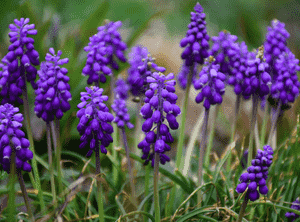
This perennial, recognized for its vibrant blue flower spikes, thrives with limited trimming. Following its flowering period, snip off the withered flower stems to hinder seed production, thereby preserving the bulb's energy reserves. Only cut back the discolored leaves once they have fully turned yellow, usually by the end of spring – this guarantees that essential nutrients are channeled back into the bulb. Trimming during early spring or late autumn coincides with the plant's dormant phase, fostering robust development for the subsequent year. No particular pruning requirements exist, apart from refraining from removing foliage too early, as this could diminish the bulb's strength.
What Are the Benefits of Pruning Starch Grape Hyacinth?
What Are the Benefits of Pruning Starch Grape Hyacinth?
Trimming starch grape hyacinth is essential for promoting vibrant blossoms and sustaining robust development. It helps keep starch grape hyacinth neatly shaped, enhancing its visual appeal while ensuring peak health and vigor.
What Is the Best Time for Pruning Starch Grape Hyacinth?
What Is the Best Time for Pruning Starch Grape Hyacinth?
Pruning starch grape hyacinth in early spring is optimal, as it occurs right after its flowering period, typically in early to mid-spring. Post-bloom pruning allows for the removal of faded flowers, directing the plant's energy towards bulb strengthening and vegetative growth instead of seed production. This also helps maintain an attractive plant form and encourages more vigorous blooms for the subsequent year. Additionally, by late fall, as foliage yellows and wilts, it's a good time to trim back any dead or discolored leaves. This seasonal timing is vital for ensuring the health of starch grape hyacinth as it prepares for winter dormancy. Removing dead foliage in late fall helps prevent disease and provides a fresh start for spring growth.
What Tools Do I Need to Prune Starch Grape Hyacinth?
Hand Shears
Hand shears are excellent for making precise cuts on starch grape hyacinth, enabling gardeners to remove spent flower stalks without harming the bulb or nearby plants.
Scissors
Scissors can be utilized for starch grape hyacinth when only a few stems need trimming, offering control and minimizing disturbance to the bulb.
Gardening Gloves
Gardening gloves protect hands when handling starch grape hyacinth, as its sap might cause skin irritation.
Pruning Snips
Pruning snips are perfect for deadheading the small, delicate flowers of starch grape hyacinth without damaging the foliage or adjacent plants in dense plantings.
How to Prune Starch Grape Hyacinth
Step1: Identify Dead or Spent Flowers
Locate starch grape hyacinth plants needing pruning by observing the presence of dried or faded flowers. These flowers typically appear brown and papery.
Step2: Sterilize Cutting Tools
Use clean, sharp scissors or pruning shears to avoid plant damage. Disinfect cutting tools with rubbing alcohol or a 1:9 bleach-to-water solution before and after use to prevent disease spread.
Step3: Locate Base of Dried Flowers
Carefully find the base of the dried flowers, ensuring you do not cut into healthy green foliage or the plant's base.
Step4: Precise Removal of Dead Flowers
Make accurate cuts to remove dried flowers. Snip them off at the stem just above where healthy green foliage or flower bracts begin. Ensure only dead flower material is removed, as leaves are crucial for photosynthesis and energy storage.
Step5: Dispose of Pruned Debris
Discard removed dried flowers in a compost bin or as yard waste. Do not leave them around starch grape hyacinth plants, as they may attract pests or harbor disease.
Step6: Water and Fertilize Post-Pruning
After pruning, water starch grape hyacinth plants if the soil is dry, and apply a balanced, slow-release fertilizer if needed to encourage healthy growth.
Step7: Monitor Plant Health and Growth
Observe starch grape hyacinth plants after pruning for signs of new growth and vitality. If pruned correctly, new blooms may appear in the subsequent growing season.
Step8: Clean Garden Area Post-Pruning
Clear any debris or dead plant material from around starch grape hyacinth plants to maintain a tidy garden and reduce the likelihood of pests and disease.
Post-Pruning Care for Starch Grape Hyacinth
Post-Pruning Care for Starch Grape Hyacinth
Immediately after pruning, starch grape hyacinth requires a gentle watering to settle the soil and alleviate stress. Optimal recovery demands a balance of indirect sunlight and shaded conditions, with continuous monitoring to prevent overexposure. Maintain moderate temperatures and humidity to aid healing. A balanced, slow-release fertilizer can boost growth, applied according to product instructions. Regularly inspect starch grape hyacinth for signs of distress, such as wilting or discoloration, and take prompt action to address issues like adjusting watering habits or treating potential infections.
Common Pruning Mistakes with Starch Grape Hyacinth
Incorrect post-bloom spike pruning
Cutting off healthy flower spikes after blooming, which can reduce the energy starch grape hyacinth stores for the next year's growth.
Premature foliage removal
Removing foliage before it has naturally yellowed and withered, which can deprive starch grape hyacinth of vital nutrients needed for the subsequent season.
Overly aggressive pruning damaging bulbs
Pruning too aggressively and harming the bulbs, which are essential for starch grape hyacinth's survival and blooming capabilities.
Common Pruning Tips for Starch Grape Hyacinth
Natural foliage dieback before removal
Allow the foliage of starch grape hyacinth to naturally wither before removing it, as the leaves contribute to the plant's energy reserves through photosynthesis even after blooms have faded.
Proper spent flower stem removal
Snip or gently twist off the spent flower stems of starch grape hyacinth close to the base once the blooms have withered to maintain a tidy appearance without affecting the leaves and bulbs.
Selective pruning of damaged parts
Inspect starch grape hyacinth for any signs of disease or damage and remove only the affected parts to avoid spreading potential issues while leaving healthy tissue intact.



