How Often Should You Water Your Orange jasmine?
1
Provide weekly irrigation to your Orange jasmine for peak vitality.
2
Periodically assess soil dampness to prevent excessive or insufficient wateringâstrive for moderately moist soil.
3
Modify watering schedule based on the season; reduce water in colder months and increase during warm, arid periods.
Grasping the Hydration Requirements of Orange Jasmine
The Significance of Adequate Moisture for Orange Jasmine
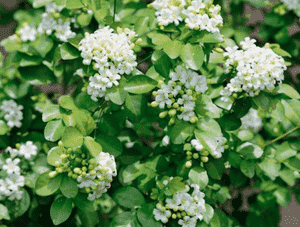
Appropriate hydration is vital for the robust development of your Orange jasmine. This aromatic evergreen shrub is recognized for its glossy foliage and fragrant white blossoms, which can only flourish when the plant receives the correct amount of water. Without sufficient moisture, the plant may suffer from stunted development, leaf shedding, and diminished flowering. By comprehending the water volume your Orange jasmine requires, you can guarantee its health and vibrancy throughout the year.
Elements Influencing Water Demands
Several elements can impact the water demands of your Orange jasmine. These encompass the plant's dimensions, age, and cultivation conditions. For instance, larger and more mature plants will generally necessitate more water than younger, smaller ones. The soil type, humidity levels, and sun exposure also play crucial roles. Rapidly draining soil, common in containers with proper drainage, will demand more frequent irrigation compared to soil that holds moisture longer. Furthermore, plants exposed to greater sunlight will naturally lose water faster, requiring more frequent watering.
Effective Watering Strategies for Orange Jasmine
Optimal Methods for Irrigating Orange Jasmine
When irrigating your Orange jasmine, it's best to employ methods that guarantee uniform and ample moisture distribution. One efficient approach is deep watering, which involves slowly and thoroughly saturating the plant, ensuring moisture reaches the root zone. Performing this once weekly should suffice during the active growth period. Additionally, it's advisable to water in the early morning or late evening to minimize water loss due to evaporation, particularly during warm weather.
Advice to Prevent Excessive or Insufficient Watering
To avert the common issues of overwatering or underwatering, it's essential to regularly assess soil moisture levels. Insert your finger approximately 2-3 cm (1 inch) into the soil; if it feels dry at this depth, it's time to irrigate. Conversely, if it's still damp, wait another day or two before rechecking. It's also crucial to utilize pots with drainage holes if you're keeping your Orange jasmine indoors or in containers, as this will prevent water from accumulating at the bottom and leading to root rot.
Seasonal Adjustments in Orange Jasmine Watering
Modifying Watering Schedules According to Seasons
The watering requirements of your Orange jasmine will fluctuate with the seasons. During spring and summer, when the plant is actively growing, you'll need to water more often, ensuring the soil remains consistently moist. In contrast, during autumn and winter, the plant's growth decelerates, and it's vital to reduce watering to prevent overhydration. A good guideline is to keep the soil slightly drier in winter, watering only when the top layer of soil feels dry.
Specific Considerations for Hot or Arid Climates
If you reside in a particularly hot or arid climate, you will need to adapt your watering practices accordingly. High temperatures and low humidity can cause the soil to dry out much faster, necessitating more frequent irrigation. During these conditions, it can be beneficial to mulch the base of your Orange jasmine to help retain soil moisture and lessen evaporation. Providing some shade during the hottest part of the day is also helpful to minimize water loss.
Addressing Common Watering Problems
Indicators of Incorrect Watering for Orange Jasmine
Improper watering can manifest through various signs in your Orange jasmine. Overwatering may appear as yellowing foliage, root decay, and a generally weakened plant structure. On the other hand, underwatering can result in wilted leaves, brown leaf tips, and slowed development. It's crucial to identify these indicators early and adjust your watering regimen accordingly to prevent long-term harm to your plant.
Rectifying Watering Errors
Correcting watering errors involves intelligent adjustments and observation. If you've been overwatering, the initial step is to allow the soil to completely dry out before the subsequent watering. Ensure the container has adequate drainage. For underwatering, gradually increase the frequency and volume of water until the plant shows signs of recovery. In both scenarios, enriching the soil with organic matter can enhance its water retention and drainage capabilities, providing a superior growing environment for your Orange jasmine.



