The Orange jasmine Plant Advantage: Maximizing Home and Office Appeal and Wellness
1
Orange jasmine is a adaptable plant capable of flourishing in both interior and exterior environments.
2
The aromatic blossoms of Orange jasmine are recognized for enhancing mood and fostering an agreeable ambiance.
3
Orange jasmine is simple to care for and contributes visual appeal to any garden or indoor space.
Why Cultivate Orange Jasmine?
Visual Allure
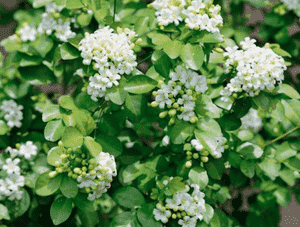
Orange jasmine is highly favored by gardeners and home enthusiasts for its ornamental qualities. Its shiny, dark green foliage and fragrant, white blooms make it an appealing addition to any outdoor or indoor setting. Whether utilized as a hedge, a potted houseplant, or a garden specimen, Orange jasmine captures attention and brings sophistication to your space.
Effortless Growth and Upkeep
A key attractive feature of Orange jasmine is its hardiness and ease of cultivation. It flourishes in various soil types and can adapt to both ample sunlight and partial shade. Minimal care is needed, making it an ideal plant for both new and seasoned gardeners. Consistent watering and occasional trimming are typically all that's required to maintain Orange jasmine's best appearance.
How Can Orange Jasmine Improve Your Living Space?
Natural Air Purifier
A prominent characteristic of Orange jasmine is its capacity to naturally refresh the air. The plant's flowers release a delightful scent that can fill your living area with a pleasant aroma, fostering a calming and welcoming atmosphere. Unlike artificial air fresheners, the fragrance from Orange jasmine is natural and devoid of harmful chemicals.
Enhances Mental Well-being
The soothing aroma of Orange jasmine blossoms can also contribute to improved mental health. Aromatherapy has been shown to alleviate stress and anxiety, and having Orange jasmine in your home can offer a gentle daily boost to your mood. Simply position the plant where you spend significant time, and allow its natural scent to work its charm.
What Are The Practical Applications of Orange Jasmine in Gardening?
Perfect for Hedges and Borders
Orange jasmine is frequently used in landscaping as a hedge or border plant due to its dense foliage and moderate growth rate. When planted in a row, it forms a natural and attractive barrier that can offer privacy and define different areas of your garden. Its manageable height and spread make it a versatile option for various garden designs.
Sustainable Landscaping
Beyond its aesthetic and practical advantages, Orange jasmine can also support sustainable gardening practices. It requires relatively little water once established and is generally pest-resistant, reducing the need for chemical treatments. By incorporating Orange jasmine into your garden, you can enjoy a lush, green landscape while minimizing your environmental impact.
Tips for Planting and Caring for Orange Jasmine
Selecting the Optimal Location
For best growth, it's crucial to choose the right spot for your Orange jasmine. When planting outdoors, select an area that receives full sun to partial shade. If growing indoors, place the plant near a window where it can get ample indirect sunlight. Good air circulation is also vital to prevent fungal issues, so avoid overcrowding plants.
Soil and Hydration Needs
Orange jasmine prefers well-drained soil rich in organic matter. While it can endure short dry spells, regular watering is essential during the growing season to encourage vigorous growth and blooming. Water the plant thoroughly, allowing the soil to dry out slightly between waterings to prevent root rot. In winter, reduce watering frequency as the plant's growth slows.
Common Problems and Solutions
Pest Control
Although Orange jasmine is relatively pest-resistant, it can occasionally attract pests like aphids and spider mites. Regularly inspect the plant for signs of infestation, such as discolored leaves or webbing. A strong spray of water can help dislodge pests, and insecticidal soap can be used for more severe infestations.
Preventing Fungal Diseases
Fungal diseases can sometimes affect Orange jasmine, especially in overly humid or poorly ventilated conditions. To prevent this, ensure the plant has good air circulation and avoid overwatering. If fungal issues do arise, remove affected leaves and treat the plant with a fungicide suitable for ornamental plants.



