How Much Sunlight Do Orange jasmine Need?
1
Orange jasmine flourishes in ample sunlight yet can endure some shade.
2
Confirm your Orange jasmine gets a minimum of 6 hours of direct sun each day.
3
Observing and modifying sun exposure is crucial to avoid harm or inhibited development.
Optimal Light Conditions for Orange Jasmine
Full Sun vs. Partial Shade
For peak performance, your Orange jasmine thrives in full sun, though it can also endure partial shade. Full sun means the plant receives direct sunlight for a minimum of six hours daily. This exposure encourages robust development and abundant, sweet-smelling blossoms. Conversely, partial shade indicates the Orange jasmine can cope with some direct sun combined with periods of indirect or filtered light. If your garden or indoor area lacks consistent full sun, rest assured your plant will still flourish with sufficient partial shade.
Ideal Daily Light Duration
For peak development, your Orange jasmine needs at least 6-8 hours of direct sunlight each day. This duration is vital for efficient photosynthesis, which in turn supports strong health and blooming. If grown indoors, position your Orange jasmine near a south-facing window to absorb ample light throughout the day. Outdoor plants should be placed where they aren't overshadowed by larger plants or structures to guarantee they receive the necessary light exposure.
Monitoring Light Exposure for Orange Jasmine
Utilizing Light Measurement Tools
Effectively tracking the light exposure your Orange jasmine receives can be managed with light measurement tools. Devices such as light meters are particularly useful for gauging light intensity and duration. Another practical method involves using smartphone applications designed to monitor light patterns. These tools can help ensure your plant gets the correct amount of light, offering detailed insights to guide adjustments in its placement as needed.
Indicators of Appropriate Light Exposure
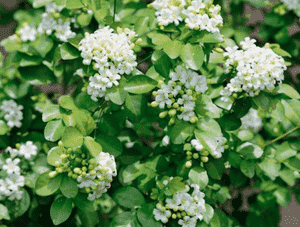
Recognizing the signs of proper light exposure is crucial for maintaining your Orange jasmine. A healthy plant receiving ideal light will exhibit vibrant green foliage and produce a generous quantity of flowers. Additionally, new growth will appear regularly, and overall plant vigor will be evident. If your Orange jasmine is flourishing, it's a strong indication that its light requirements are being met.
Adjusting Light Exposure
If you observe your Orange jasmine displaying signs of distress, such as yellowing leaves or stunted growth, it might be time to modify its light exposure. For indoor plants, consider moving it closer to a window or using grow lights to supplement natural light. For outdoor plants, relocating them to a spot with more direct sunlight or employing shading screens during peak sun hours can help balance light exposure. Regularly assessing the plant's light needs and making necessary adjustments ensures it remains healthy and thriving.
Challenges with Light for Orange Jasmine
Addressing Excessive Sunlight
While Orange jasmine loves light, too much exposure, especially in very hot climates, can cause leaf scorch and dehydration. Leaves may turn brown and crisp at the edges, indicating sunburn. If you suspect your plant is getting too much light, provide some shade with a garden umbrella or move potted plants to a slightly shadier spot during the hottest parts of the day for protection.
Managing Insufficient Light
Conversely, inadequate light leads to etiolated growth, where the plant stretches toward the light source, resulting in weak and sparse foliage. Flowering may be significantly reduced or absent. Ensuring your Orange jasmine receives at least 6 hours of light is critical. For indoor plants, consider using grow lights to provide the necessary light intensity.
Seasonal Light Fluctuations
Seasonal changes can also affect the light your Orange jasmine receives. During winter, the sun's angle is lower, and days are shorter, reducing light exposure. To counteract this, you might need to reposition indoor plants to capture maximum light or use grow lights. For outdoor plants, consider reflective materials to enhance light availability during these shorter days.
Additional Advice for Orange Jasmine Light Needs
Indoor vs. Outdoor Cultivation
Whether you cultivate your Orange jasmine indoors or outdoors significantly impacts its light requirements. Outdoor plants generally receive more consistent light and air circulation, which are vital for healthy growth. If growing indoors, place the plant near a south-facing window and consider rotating it regularly for even light exposure. Outdoor plants benefit from natural light cycles and weather conditions, promoting a more natural growth pattern.
Supplementing Natural Illumination
Sometimes natural light is insufficient, particularly during winter months or in homes with limited window space. In such instances, supplementing with artificial grow lights can be highly beneficial. Utilize full-spectrum grow lights to mimic natural sunlight, ensuring your Orange jasmine receives adequate illumination and remains healthy throughout the year.
Ensuring Proper Air Circulation
Proper airflow is as crucial as light. Good air circulation helps prevent mold and pest issues while encouraging healthier growth. Whether indoors or outdoors, ensure your Orange jasmine is not crowded by other plants or objects. Adequate spacing allows light to penetrate the foliage and air to circulate effectively, supporting overall plant health.



