How to Propagate Orange jasmine?
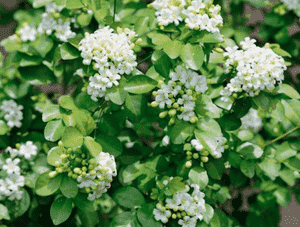
Orange jasmine is most effectively propagated via cuttings taken in the spring and summer seasons. This method presents a moderate challenge, with indicators of success being the emergence of new foliage and the formation of roots. Sufficient humidity and elevated temperatures can significantly aid this procedure.
When Is the Optimal Time to Propagate Orange Jasmine?
Propagation Method
Cutting
Propagation Period
Spring, Summer
What Equipment Is Used in Orange Jasmine Propagation?
Sharp pruning shears
These are crucial for taking cuttings from orange jasmine, ensuring a clean, precise cut that promotes better healing and reduces the risk of infection. Sharp blades minimize damage to the parent plant and create a smooth surface on the cutting, which is ideal for rooting.
Rooting hormone
This chemical substance encourages root development on orange jasmine cuttings. It enhances the chances of successful rooting by stimulating root growth at the cut site, which is particularly beneficial for hardwood cuttings that might otherwise root more slowly.
Sterile potting mix
A clean, well-draining medium prevents disease and supports the initial growth of orange jasmine cuttings. Using a sterile mix also minimizes the risk of pathogen contamination, which could impede the development of new roots.
Propagation trays or small pots
Orange jasmine cuttings require a stable environment to root, and these containers provide the necessary support. Their size ensures optimal soil moisture and temperature, which are critical for rooting success.
Plastic dome or bag
Creating a humid microclimate around orange jasmine cuttings keeps them hydrated and encourages rooting. This helps to maintain consistent moisture levels around the cuttings, which is important since they lack established root systems to uptake water.
Heating mat
Bottom heat stimulates root growth in orange jasmine cuttings by maintaining a consistent and ideal soil temperature. This encourages faster rooting, which is crucial for the quick establishment of the young plants.
How to Propagate Orange Jasmine?
Propagation Method
Cutting
Difficulty Level
Moderately Difficult
How to Care for Your Newly Propagated Orange Jasmine?
How to Care for Your Newly Propagated Orange Jasmine?
After propagation, place orange jasmine in a location that receives bright, indirect sunlight and ensure it has well-draining soil. Water when the top inch of soil feels dry to the touch. Apply a balanced, slow-release fertilizer during the growing season. Prune regularly to maintain desired shape and promote bushier growth. Monitor for pests and diseases and treat as needed. Protect from frost, as orange jasmine prefers warmer temperatures.
Common Errors to Avoid When Propagating Orange Jasmine
Overwatering
Gardeners often make the mistake of overwatering cuttings or seedlings, which can lead to root rot and fungal diseases in orange jasmine. This is problematic as the delicate new roots require a balance of moisture and air to develop properly.
Inadequate light
Providing insufficient light for orange jasmine during propagation can result in weak, etiolated growth. The lack of adequate light diminishes the plant's ability to photosynthesize and produce the energy necessary for establishing strong roots and shoots.
Over-fertilization
Applying too much fertilizer to orange jasmine cuttings or seedlings can damage delicate root systems and cause nutrient burn, impeding healthy growth. Young plants are especially sensitive to strong concentrations of fertilizer.
Incorrect soil medium
Using a soil medium that doesn't drain well or doesn't have the right texture for orange jasmine can hinder root development. A medium that is too dense or too drying can either cause excess moisture retention or insufficient moisture for the roots.
Tips For Propagating Orange Jasmine
Sterile equipment
Ensuring that all tools and containers are sterile before propagating orange jasmine can prevent the introduction of diseases and pests, which is critical for the health and success of the young plants.
Proper cutting technique
Taking cuttings with a clean, angled cut just below a leaf node gives orange jasmine the best chance to develop roots. The angle increases the surface area for root growth and allows for better absorption of water and nutrients.
Indirect light
Placing orange jasmine cuttings and seedlings in bright, indirect light supports robust growth without the stress that direct sunlight can cause, such as scorching the tender foliage or overheating the propagation medium.
Appropriate soil mix
Using a well-aerated and well-draining soil mix ensures that orange jasmine develops a strong root system. A mix of peat, perlite, and vermiculite, for instance, provides both the support and the moisture control necessary for healthy growth.



