Enhancing Your Garden Design with the Orange jasmine Plant: A Landscaping Guide
1
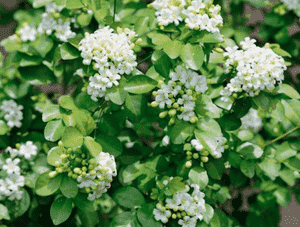
Orange jasmine is recognized for its aromatic flowers that can bring a delightful scent to your outdoor space.
2
Due to its versatility, Orange jasmine integrates well into diverse garden designs, ranging from structured to exotic.
3
Consistent care for Orange jasmine helps guarantee it stays a lively and thriving component of your landscape.
Introducing Orange Jasmine in Garden Design
Visual appeal of Orange Jasmine
Orange jasmine is a versatile and attractive plant that can enhance any garden area. Its clusters of white, delicate blossoms and shiny, dark green leaves offer a lush and lively appearance. The flowers are not only beautiful; they also release a captivating scent that can make your outdoor space more pleasant and inviting.
Orange Jasmine's adaptability in various garden styles
Orange jasmine is a highly adaptable plant that integrates well into diverse garden aesthetics. Whether you desire a formal garden with neatly trimmed hedges or a more relaxed, tropical look with mixed plantings, Orange jasmine can be customized to your vision. Its flexible growth habit allows it to be shaped and maintained to match the overall look of your landscape, making it a versatile option for many garden designs.
Selecting the Best Spot for Orange Jasmine
Light and shade preferences for Orange Jasmine
For optimal growth, Orange jasmine prefers a location with full sun to partial shade. It's crucial to provide it with at least 4-6 hours of direct sunlight daily for robust growth and flowering. If planted in too much shade, Orange jasmine may not bloom as profusely and could become leggy and sparse. Finding the right light balance is vital for ensuring the plant stays healthy and strong.
Soil conditions and drainage needs for Orange Jasmine
Orange jasmine thrives best in well-drained, loamy soil rich in organic matter. Good drainage is essential to prevent root rot and other problems associated with waterlogged soils. If your garden soil is heavy clay or tends to retain moisture, consider amending it with compost or other organic material to improve drainage and create a more favorable environment for Orange jasmine.
Spacing and placement recommendations for Orange Jasmine
When planting Orange jasmine, it's important to consider its mature size and allow ample room for growth. Typically, spacing plants about 3-4 feet apart ensures sufficient air circulation and reduces disease risk. Positioning Orange jasmine to account for its height and spread will help it blend seamlessly into your landscape without overcrowding other plants.
Incorporating Orange Jasmine into Your Existing Garden
Companion plants and design elements for Orange Jasmine
To create a cohesive landscape, pair Orange jasmine with plants that have similar light and water requirements. Some suitable companions might include evergreens, ornamental grasses, and flowering shrubs that can enhance your garden's visual appeal and diversity. Additionally, adding elements like garden benches or water features near your Orange jasmine can create focal points and improve the overall aesthetic.
Using Orange Jasmine as a focal point or background plant
Orange jasmine can be effectively used as either a focal point or a background plant depending on your garden's design needs. As a focal point, its fragrant, white blooms can draw attention and serve as an anchor in your garden layout. Alternatively, when used as a background plant, it provides a lush, green backdrop that highlights and complements other plants and garden features in the foreground.
Seasonal Considerations for Orange Jasmine
How Orange Jasmine transforms throughout the year
Orange jasmine undergoes noticeable changes throughout the seasons. In spring and summer, it is typically in full bloom, displaying its fragrant flowers and robust foliage. As temperatures drop, flowering may decrease, and the plant often focuses on leaf growth. Understanding these seasonal shifts can help you plan and maintain your landscape more effectively, ensuring Orange jasmine remains a vibrant part of your garden year-round.
Preparing Orange Jasmine for seasonal transitions
Preparing Orange jasmine for different seasons involves specific tasks. In the fall, consider mulching around the base to protect roots from colder temperatures. During winter, ensure adequate moisture without overwatering, and in spring, prune any dead or weak branches to encourage new growth. These seasonal preparations can help Orange jasmine thrive and continue to enhance your landscape's beauty.
Long-Term Care and Maintenance for Orange Jasmine
Regular upkeep tasks for Orange Jasmine
Routine maintenance for Orange jasmine includes weekly watering during dry periods, periodic fertilization with a balanced fertilizer to promote healthy growth, and occasional pruning to maintain its shape and size. Removing spent flowers can also encourage more prolific blooming and keep the plant looking neat.
Indicators of health and vitality in Orange Jasmine
A healthy Orange jasmine will exhibit vibrant, glossy leaves and abundant, fragrant blooms during its flowering season. Watch for signs of stress such as yellowing leaves, sparse flowering, or slow growth, which could indicate issues with water, soil, or light conditions. By promptly addressing these signs, you can ensure that Orange jasmine remains a thriving part of your landscape.



