How to Transplant Orange jasmine?
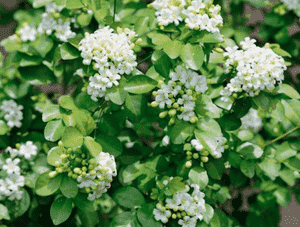
The optimal period for relocating orange jasmine spans from late spring to mid-summer, or alternatively, from mid-autumn to early winter. Select a site that receives ample sunlight or partial shade, featuring soil that drains effectively. Carefully untangle the root mass to stimulate development. Enjoy your transplanting!
What Preparations are Needed Before Transplanting Orange Jasmine?
What is the Ideal Time for Transplanting Orange Jasmine?
The best period for relocating orange jasmine is from late spring to mid-summer or from mid-fall to early winter. This allows the plant to establish itself prior to harsh weather. Moving it during these times ensures healthy development, strong roots, and abundant blooms. By performing this crucial task, you significantly enhance orange jasmine's chances for a vigorous life.
How Much Space Should You Leave Between Orange Jasmine Plants?
When moving orange jasmine, ensure a spacing of approximately 48-72 inches (122-183 cm) between them. This provides ample room for growth and guarantees proper air circulation.
What is the Best Soil Mix for Orange Jasmine Transplanting?
For orange jasmine, select a well-draining soil blend enriched with organic material, such as compost or aged manure. To encourage robust root development, incorporate a slow-release granular fertilizer into the soil before planting.
Where Should You Relocate Your Orange Jasmine?
Orange jasmine thrives in full to partial sunlight. Find a garden spot that receives about 6-8 hours of sun daily. Ensure the location has good air movement and isn't overly crowded by other plants.
What Equipments Should You Prepare Before Transplantation Orange Jasmine?
Gardening Gloves
To safeguard your hands while handling soil and the orange jasmine plant.
Shovel or Spade
For excavating a hole and extracting the plant from its original spot.
Pruner
To trim any damaged or dead branches prior to transplanting.
Tape Measure
To guarantee precise spacing between plants, if moving multiple orange jasmine plants.
Trowel
To dig smaller holes and work around the plant's root system.
Watering Can or Hose
To hydrate the orange jasmine plant before and after its relocation.
Wheelbarrow
To transport the plant, especially if it possesses a larger root ball.
How Do You Remove Orange Jasmine from the Soil?
How Do You Remove Orange Jasmine from the Soil?
From Ground: First, water the orange jasmine plant to moisten the soil. Next, dig a wide trench around the plant using a shovel or spade, making sure the plant's root ball stays intact. Carefully work the spade beneath the root ball to lift the plant from its initial position.From Pot: Start by thoroughly watering the orange jasmine plant. Tilt the pot sideways and gently tap its sides and bottom to loosen the plant. If needed, use a trowel to carefully loosen the soil from the pot's edges. Slide the plant out, taking care not to harm the root ball.From Seedling Tray: Carefully slide a trowel or similar tool under the orange jasmine seedling, ensuring to include the entire root ball. Lift the seedling from the tray, being cautious not to damage the roots or stem.
Step-by-Step Guide for Transplanting Orange Jasmine
Preparation
Prepare the new planting site by digging a hole approximately twice the size of the orange jasmine plant's root ball. Loosen the soil at the bottom and sides of the hole to facilitate root penetration.
Root Trimming
Inspect the root ball and use clean pruners to remove any damaged or deceased roots.
Plant Placement
Gently lower the orange jasmine plant into the hole, ensuring the top of the root ball is level with the surrounding ground.
Backfilling
Refill the hole with soil, gently compacting it around the roots to eliminate air pockets.
Watering
Thoroughly water the area to help the soil settle, adding more soil if necessary to maintain a level surface.
Mulch
Spread a layer of mulch around the base of the orange jasmine plant, leaving a small gap near the stem to prevent rot or pest issues.
How Do You Care For Orange Jasmine After Transplanting?
Monitoring
Observe the orange jasmine plant for any indications of transplant shock, such as wilting or yellowing leaves, and address problems promptly.
Watering
Maintain consistent moisture levels for the initial weeks post-transplant, allowing the orange jasmine plant to develop strong roots.
Pruning
Trim any damaged or dead branches that may appear as the plant adapts to its new environment.
Pest Control
Watch for pests and promptly manage any infestations to safeguard the health of the orange jasmine plant.
Fertilizing
Wait until the orange jasmine plant has fully acclimated to its new location and shows new growth before applying any fertilizer, adhering to specific fertilizer guidelines for your plant.
Troubleshooting Common Issues with Orange Jasmine Transplantation.
When's the perfect time to transplant orange jasmine?
The optimal period to transplant orange jasmine is from late spring to mid-summer or from mid-autumn to the onset of winter. These seasons offer ideal conditions for orange jasmine's development.
What sort of spacing is recommended when transplanting orange jasmine?
Provide ample room for each orange jasmine plant. A spacing of 48-72 inches (122-183 cm) is advised to allow for optimal growth.
Why is my transplanted orange jasmine wilting or looking sick?
Orange jasmine might be experiencing excessive heat or insufficient water. Keep orange jasmine in a warm but shaded spot with regular watering, but avoid waterlogging the soil.
Is it necessary to prune orange jasmine during transplant?
Yes, a light pruning of orange jasmine can aid in its quicker recovery after transplanting. Remove dead or weak branches, reducing overall foliage by about 1/3.
How deep should the hole be when transplanting orange jasmine?
The hole should be twice as wide as the root ball and equally deep. This space provides room for the roots to spread, encouraging healthy growth.
How should I prepare the soil for orange jasmine before transplantation?
Enrich your soil with well-decomposed organic matter or compost. Orange jasmine prefers well-draining soil, so avoid areas prone to waterlogging.
What if the leaves of my transplanted orange jasmine are turning yellow?
Yellow leaves might indicate overwatering or a nutrient deficiency. Reduce watering and consider introducing a slow-release fertilizer into the soil.
How much sunlight does a newly transplanted orange jasmine need?
Orange jasmine thrives in full sun to partial shade. However, direct sunlight immediately after transplantation can cause stress, so initially provide slightly shaded conditions.
Do I need to water orange jasmine immediately after transplanting?
Absolutely! Water right after transplanting orange jasmine to settle the soil around the roots and to minimize transplantation shock.
How regularly should I water orange jasmine after transplanting?
Water orange jasmine as the top 1 inch (2.5 cm) of soil becomes dry. Typically, this means every couple of days during the growing seasons.



