How Often Should You Water Your Savin juniper?
1
Moisten your Savin juniper around once a week, making sure the growing medium drains effectively.
2
Excessive watering may cause root decay, particularly when the plant is inactive in colder months.
3
Always assess the soil's dampness prior to irrigating; it ought to feel somewhat arid to the touch before re-watering.
Understanding the Hydration Requirements of Savin Juniper
Detecting Indicators of Sufficient Water Intake
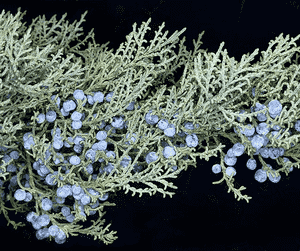
Ensuring your Savin juniper receives the correct amount of moisture is vital for its vitality. Adequately hydrated junipers will display vibrant, green needles that are firm and not fragile. When the plant is consistently watered, it tends to develop steadily without signs of distress. Proper hydration also prevents the needles from yellowing or browning prematurely, which can signal insufficient water absorption.
Identifying Symptoms of Excessive and Insufficient Watering
While insufficient watering of a Savin juniper can result in dry, brittle needles and stunted development, overwatering presents an equally serious danger. Overwatered junipers often show yellowing foliage and a general drooping appearance. You might also detect an unpleasant odor from the soil, indicating root decay. Achieving equilibrium by closely observing your plant will help avert these problems.
Optimal Watering Practices for Savin Juniper
Seasonal Irrigation Adjustments
Modifying your watering routine according to the seasons is essential for the well-being of your Savin juniper. During the warm summer months, you may need to irrigate more frequently, approximately weekly, to keep the soil moist. Conversely, during the colder winter months, junipers enter a resting phase, significantly reducing their water demands. Excessive watering at this time can lead to root rot and fungal infections.
Appropriate Irrigation Methods and Tools
The technique you employ to water your Savin juniper can make a substantial difference. Deep watering is the most effective approach, encouraging roots to grow deeper and making the plant more drought-tolerant. Utilize a soaker hose or drip irrigation system to ensure water penetrates deeply into the soil. Avoid overhead watering, as it can foster fungal diseases, particularly in humid environments.
Maintaining Proper Soil Moisture
Selecting the Correct Soil Medium
The type of soil you use is fundamental to maintaining appropriate moisture levels for your Savin juniper. These plants thrive in well-draining soil, which prevents water from accumulating around the roots. A blend of sandy soil with a small amount of organic material works well. This combination ensures that water drains efficiently, lowering the risk of root rot.
Assessing Soil Moisture Levels
Regularly checking your soil moisture can prevent both under- and over-watering. Insert your finger about 2-3 cm (about 1 inch) into the soil; it should feel slightly dry before the next irrigation. Alternatively, inexpensive soil moisture meters are available, providing an accurate reading of soil moisture levels. This simple habit can save your Savin juniper from potential water stress.
Common Errors to Avoid When Watering Savin Juniper
Excessive Watering During Dormant Periods
A frequent error many gardeners make is overwatering their Savin juniper during the winter dormant season. Since the plantâs metabolic processes slow down considerably, its water requirements decrease. Overwatering during this period can lead to root rot and other water-borne ailments. Adhere to a minimal watering scheduleâperhaps once every 3-4 weeks, depending on local weather conditions.
Neglecting Consistent Moisture Checks
Failing to regularly check soil moisture can result in inconsistent watering, negatively impacting the health of your Savin juniper. Make it a habit to check soil moisture, especially during extreme seasonal shifts. Erratic watering can stress the plant, making it more vulnerable to pests and diseases. Consistent monitoring also helps you adjust your watering schedule as needed, ensuring your plant remains healthy throughout the year.



