How to Propagate Savin juniper?
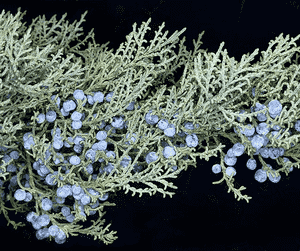
Juniperus sabina is a coniferous evergreen variety that thrives in adequately drained ground and ample sunlight. Individuals aiming to multiply this flora ought to employ the cutting technique, specifically using semi-hardwood segments. For enhanced rooting outcomes, apply a rooting stimulant to the severed ends prior to embedding them in a sandy-loam substrate. Steady hydration and warmth will facilitate the robust development of young plants, and vigilant observation for decay or ailments will safeguard the endurance of these fresh cuttings.
Optimal Period for Savin Juniper Propagation
Propagation Type
Cutting
Propagation Season
Autumn,Winter
Tools Required for Savin Juniper Propagation
Sharp Pruning Shears
These are crucial for gathering cuttings from savin juniper. Pruning shears must be sharp to ensure clean cuts that do not damage the tissue of savin juniper, which can promote better rooting and decrease the likelihood of disease.
Rooting Hormone Powder
This aids in stimulating root development from savin juniper cuttings. Applying rooting hormone to the cut end of the cutting before planting enhances the probability of successful root formation, which is vital for the survival and stability of savin juniper.
Sterile Potting Mix
A well-draining, sterile potting mix offers an ideal environment for savin juniper cuttings to root. It minimizes the risk of soil-borne diseases, which is paramount for the delicate initial stages of root development in savin juniper.
Propagation Tray
Used to hold savin juniper cuttings in a stable environment, propagation trays should have adequate drainage and be large enough to accommodate multiple cuttings without overcrowding. This ensures each cutting has sufficient space and resources for root development.
Clear Plastic Dome or Bag
This tool is used to cover the propagation tray, creating a humid microenvironment around the savin juniper cuttings. The increased humidity helps prevent the cuttings from drying out and supports the rooting process by maintaining optimal moisture levels around the cut sites.
Method for Propagating Savin Juniper
Propagation Type
Moderately Difficult
Post-Propagation Care for Savin Juniper
How to Care for Your Newly Propagated Savin Juniper?
Once roots are established, gradually introduce the young savin juniper to less humid conditions by making small holes in the cover and eventually removing it entirely. Transplant it to a larger container or directly into the ground, respecting its preference for well-drained, sandy soils. Savin juniper requires minimal watering once established and should be pruned annually to maintain a compact shape. Avoid overwatering to prevent root rot.
Common Errors to Avoid When Propagating Savin Juniper
Overwatering cuttings
This can lead to root rot and fungal infections, which can severely impede root development and potentially kill the cuttings before they establish.
Ignoring Soil Types
Using an unsuitable soil medium that lacks proper drainage can trap moisture around the roots, causing similar issues to overwatering.
Neglecting hygiene
Not sterilizing tools or pots can introduce pathogens that may harm the savin juniper cuttings, affecting its chances to thrive.
Planting multiple cuttings too close
This mistake can lead to overcrowded conditions that reduce air circulation, increasing the risk of pest infestation and disease.
Skipping Healing Phase
Not allowing the savin juniper cuttings to form a callus before planting can make them more susceptible to rot and infection.
Tips For Propagating Savin Juniper
Use well-draining soil mix
A blend that includes sand and coarse perlite will optimize root aeration and water drainage, which is essential for the healthy rooting of savin juniper.
Provide indirect light
Maintain the savin juniper cuttings in a bright area with indirect sunlight as direct light can stress the cuttings and impair root formation.
Moderate watering
Water the soil when the top inch feels dry to the touch. Consistent but not excessive moisture is key for savin juniper's cuttings to form roots.
Allow for air circulation
Ensure the propagation space is well-ventilated to reduce the risk of fungal diseases and provide enough oxygen for root growth.
Heal the cuttings
After taking cuttings, allow them to dry for several days to form a callus over the cut area; this helps prevent rot once planted.



