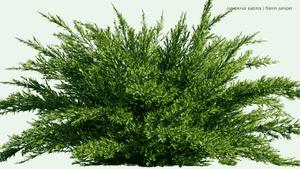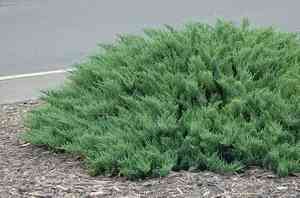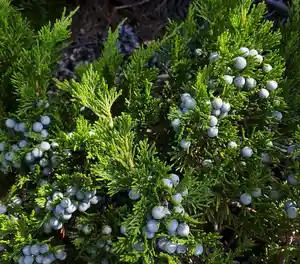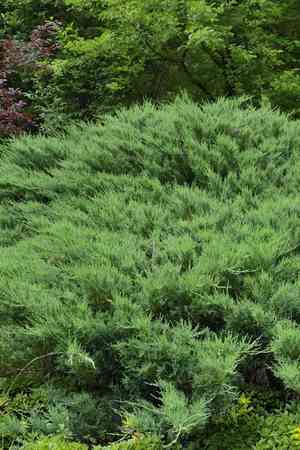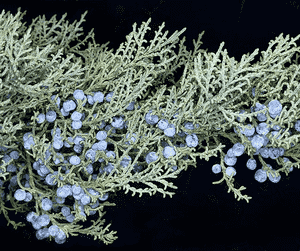
Savin juniper(Juniperus sabina)

Savin juniper (Juniperus sabina)

Also known as: Rock cedar, Creeping juniper

Savin juniper (Juniperus sabina) is a toxic evergreen shrub native to regions of Europe and Asia. Often used for hedging, this plant is known for its resilience against deer, drought, and pollution. It is relatively easy to cultivate but is particularly sensitive to wet or poorly-drained soils, which it cannot tolerate.

Attributes of Savin juniper

Lifespan
Perennial
Plant Type
Tree, Shrub
Plant Height
1.2 m to 1.8 m
Spread
6 m
Leaf Color
Green
Flower Size
N/A (Coniferous plant)
Flower Color
Yellow Green

ForwardPlant - Identify plants with a snap

Identify and diagnose plants, get toxicity alerts, and explore safety guides for all types of fungi.

Try for Free

Images of Savin juniper

Savin juniper(Juniperus sabina)

Quickly Identify Savin juniper

1
Identifying Juniperus sabina can be done by noting its dense, low-growing shrub form and its two types of leaves—needle-like on young plants and scale-like on mature ones. It often has a strong smell due to the presence of essential oils.

Scientific Classification of Savin juniper

Phylum
Vascular plants
Class
Conifers
Order
Pinales
Family
Cypress
Genus
Junipers
Species
Savin juniper

Planting and Growing of Savin juniper

Care Difficulty
Easy
Watering Schedule
Every 2 days
Sunlight Requirements
Full sun
Sunshine Duration
6-10 hours
Ideal Temperature
60-75℉
Soil Type
Potting Mix, Peat Mix
Soil pH
6.5-7.5
Fertilizer Type
Balanced
Pruning Season
Spring, Summer
Pruning Area
Branches, Leaves
Pruning Frequency
2 times a year
Repotting Season
Spring
Pot Type
Plastic, Ceramic

water icon How to Water Savin juniper?

For Juniperus sabina, a key rule is to ensure the soil is evenly moist but never soggy. Watering should saturate the root zone, around 500ml per session, ensuring moisture reaches at least 6 inches deep, especially during the growing season. Monitor the drainage to avoid water stagnation.
What are the symptoms of an underwatered Savin juniper?
What should I do if my Savin juniper is not getting enough water?
What are the symptoms of an overwatered Savin juniper?
How to save an overwatered Savin juniper?
More About Watering Techniques

sunlight icon What Are the Sunlight Requirements for Savin juniper?

Sunlight Requirements: Full sun, Partial sun
Duration of light: 4-8 hours daily
Optimal light for Juniperus sabina falls within 4-8 hours of full sun daily. This range encourages strong, healthy foliage and increases resistance to pests and diseases, ultimately leading to a robust plant.
What amount of sunlight does Juniperus sabina need?
How is optimal light achieved for Juniperus sabina?
What benefits does Juniperus sabina gain from optimal lighting?
More About Sunlight Requirements Techniques

temperature icon What Is the Ideal Temperature Range for Savin juniper?

Ideal Temperature: 60 ~ 75℉
Juniperus sabina thrives best within a temperature range of 60 to 75°F. This range allows the plant to undergo optimal metabolic processes necessary for growth. These temperatures ensure that enzymatic activities occur efficiently, promoting healthy foliage and robust root systems.

soil icon What Soil is Best for Savin juniper?

Soil type: Sandy soil, Loam, Sandy loam
Soil PH: 6.5 ~ 7.5
Juniperus sabina thrives in soil with excellent drainage. This ensures that the plant's roots do not become waterlogged, which can lead to root rot. Well-drained soil helps in maintaining optimal root health and promotes vibrant foliage growth. A soil that is rich in organic matter is beneficial for Juniperus sabina. It provides essential nutrients that contribute to the plant's robust growth and enhances its ability to withstand environmental stresses. Ensuring the soil remains airy and not compacted is crucial for Juniperus sabina. Good aeration allows for better oxygen availability to the roots, boosting their health and leading to a more vigorous plant overall. More About Soil

fertilize icon How to Fertilize Savin juniper?

Fertilizer type: Balanced
Juniperus sabina benefits from moderate fertilization. For liquid fertilizers, use a solution mixed at half the recommended strength to avoid over-fertilization risks. Apply approximately one liter per mature plant monthly during the growing season.

prune icon How to Prune Savin juniper?

Pruning Time: Spring, Summer
The ideal time to prune Juniperus sabina is in early spring or summer when the plant is still in its vigorous growth phase. Pruning during these times allows the plant to heal quickly, and the new growth will fill in the spaces left by removed branches. Always ensure you have a clear shape in mind before you start cutting. Start by sterilizing your pruning tools to prevent the spread of disease. Remove any dead, diseased, or damaged branches first. Cut back to a lateral shoot or bud that is strong and vigorous. Trim longer branches to maintain the desired shape, working from the base upwards for ease of access. Be cautious not to remove more than one-third of the plant at one time to avoid shocking it. Juniperus sabina can also be expertly shaped into bonsai forms if desired. This requires meticulous pruning and wiring to achieve the shape. Focus on creating balance and maintaining the tree's natural appearance. Regular trimming of new growth is necessary to keep the shape compact and aesthetic. More About Pruning Techniques

propagate icon How to Propagate Savin juniper plant?

Propagate Time: Spring,Late spring,Early autumn
1
Harvest seeds from ripe berries in the autumn for seed propagation. Clean and soak them before sowing to enhance germination rates. This natural dormancy-breaking process ensures higher success when cultivating Juniperus sabina from seed.
2
Select healthy, non-flowering branches in late spring. Cut a 6-8 inch section below a node using sterilized shears. Dip the cut end in rooting hormone to encourage root development before planting in a suitable growing medium.
3
For layering propagation, bend a low-growing branch to the ground in early spring. Cover a portion with soil, leaving the tip exposed. Secure it in place with a U-shaped pin. Roots should develop within months, at which point the new plant can be separated.
More About Propagating Techniques

repot icon How to Repot Savin juniper plant?

Repotting frequency: Every 2-3 years
1
The best time to repot Juniperus sabina is during early spring or autumn. Look for signs like roots growing out of the drainage holes or slowed growth to determine if it's time to repot.
2
Select a pot that is slightly larger than the current one, with sufficient drainage holes. A larger pot encourages adequate root expansion and prevents waterlogging, promoting healthier plant growth.
3
Use a sandy, well-draining soil mix. This mix mimics the plant's natural habitat, allowing excess water to flow out easily, thereby reducing the risk of root rot and overwatering.

ForwardPlant - Identify plants with a snap

Find the best spots for them to optimize their health, simply using your phone.

Try for Free

Toxicity of Savin juniper

Is Savin juniper toxic to humans?

Savin juniper presents a moderate toxicity risk to humans if ingested. Every part of the plant is poisonous, and unintentional consumption may result in significant health issues. The symptoms of savin juniper poisoning can be wide-ranging, including gastrointestinal discomfort such as intense vomiting and diarrhea, in addition to systemic repercussions like renal impairment, seizures, and alterations in heart rhythm. Given the seriousness of these symptoms, it is vital to recognize the plant's toxic characteristics and to mitigate the risk of accidental ingestion, particularly among children and pets who may be attracted to its leaves.

Is Savin juniper toxic to cat?

Savin juniper presents a moderate risk of toxicity to cats. If felines inadvertently ingest any portion of this plant, they may fall victim to poisoning, as every part of the plant is harmful. Symptoms of distress may manifest following consumption, necessitating immediate intervention. Given the hazards associated with savin juniper, it is crucial to restrict cats' access to this plant and swiftly consult a veterinarian if any signs of illness emerge after exposure to or consumption of the plant.

Is Savin juniper toxic to dog?

Savin juniper, a certain plant species, presents a moderate toxicity threat to dogs. Canines may inadvertently consume its various parts, leading to potential poisoning incidents. Every part of the savin juniper is toxic, posing risks if ingested by dogs. Common symptoms of poisoning in dogs may involve gastrointestinal disturbances such as vomiting and diarrhea, along with more severe manifestations, including neurological disorders or liver injury. It is essential for dog owners to remain vigilant and ensure their pets do not have access to savin juniper. If a dog does consume any portion of this plant, seeking prompt veterinary care is vital to effectively manage the symptoms and reduce the likelihood of serious health issues.

Identify toxic plants for your safety

Learn which plants are harmful to you and your pets, and make informed choices for a safer home!

Try for Free
WARNING
The judgment on toxicity and danger is for reference only. We DO NOT GUARANTEE any accuracy of such judgment. Therefore, you SHALL NOT rely on such judgment. It is IMPORTANT TO SEEK PROFESSIONAL ADVICE in advance when necessary.
More About Toxic Techniques