How to Transplant Savin juniper?
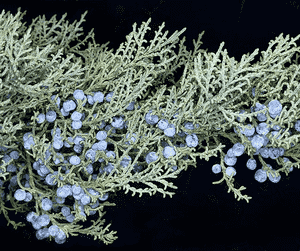
The optimal period for transplanting savin juniper is early spring, allowing for a smooth beginning to root development. Select locations with excellent drainage and ample sunlight, and to facilitate adaptation, ensure the root mass remains undisturbed and the substrate consistently damp.
What Preparations are Needed Before Transplanting Savin Juniper?
What is the Ideal Time for Transplanting Savin Juniper?
The optimal period to move savin juniper is when winter's dormancy ends and the gentle conditions of early to mid-spring arrive. Relocating savin juniper during this revival phase ensures a smooth transition, leveraging cooler temperatures and moist soil that encourage vigorous root establishment. Choosing this recommended transplanting window not only reduces stress on savin juniper but also utilizes spring's supportive environment, promoting strong growth and a flourishing future for your green companion.
How Much Space Should You Leave Between Savin Juniper Plants?
When arranging your garden for savin juniper, it's important to provide ample room for each plant to thrive. Aim for a separation of approximately 6-8 feet (1.8-2.4 meters) between them. This will allow them sufficient space to develop healthily and robustly!
What is the Best Soil Mix for Savin Juniper Transplanting?
For savin juniper, the soil should drain effectively and ideally be a sandy or loamy type. Prior to planting, enrich the ground with a foundational fertilizer, such as a slow-release granular 10-10-10, to stimulate initial growth. Always adhere to the instructions on the fertilizer packaging.
Where Should You Relocate Your Savin Juniper?
To foster optimal growth, savin juniper requires full sun exposure. Select a site that receives at least 6 hours of direct sunlight daily. Remember, a savin juniper bathed in sunlight is a happy savin juniper!
What Equipments Should You Prepare Before Transplantation Savin Juniper?
Gardening Gloves
To safeguard your hands while handling soil and savin juniper.
Shovels or Spades
To extract savin juniper from its original spot and excavate a hole in the new planting area.
A trowel
For more precise digging tasks if savin juniper is a small specimen.
Pruning Shears
Useful for trimming roots or branches of savin juniper as needed.
Wheelbarrow
Helpful for transporting savin juniper from its initial location to the new planting site if savin juniper is large.
Gardening Fork
For loosening soil and enhancing air circulation before planting.
How Do You Remove Savin Juniper from the Soil?
How Do You Remove Savin Juniper from the Soil?
From the Ground: Start by watering the savin juniper plant to moisten the soil, which facilitates digging. Then, using your shovel, dig a wide trench around the savin juniper, ensuring the plant's root ball remains intact. Carefully slide the spade beneath the root ball and gradually lift it out of the ground.From a Pot: Ensure the soil is damp by watering the savin juniper before you begin. Gently invert the pot and carefully ease the savin juniper out. Never pull the plant by its stem to prevent damage. If the savin juniper is root-bound, meaning its roots have formed a tight circle inside the pot, you might need to use pruning shears to trim the roots before transplanting.From a Seedling Tray: Water the savin juniper seedlings. Carefully, by pressing from the bottom of each cell, push the seedling up and out of the tray. Hold the seedling by its leaves to avoid harming the stem or roots before transplanting.
Step-by-Step Guide for Transplanting Savin Juniper
Preparation
Prepare the new planting site for savin juniper before beginning the removal process. The hole should be two to three times wider than the current root ball of savin juniper, but no deeper than the root ball itself.
Placement
Carefully position the savin juniper into the planting hole. The top of the root ball should be level with the surrounding ground.
Backfill
Carefully refill the hole using the excavated soil, ensuring the savin juniper stands upright. Gentle compaction can help eliminate air pockets.
Watering
Water the savin juniper thoroughly immediately after transplanting to help settle the soil and encourage root establishment. Avoid allowing water to accumulate around the plant's base.
Mulching
Apply a layer of mulch around savin juniper, leaving a small space around the plant's stem. This helps maintain soil moisture and temperature, and inhibits weed growth.
How Do You Care For Savin Juniper After Transplanting?
Water Maintenance
Following the initial thorough watering after transplant, continue to provide savin juniper with adequate moisture at regular intervals. This allows the plant to recover from transplant shock and establish its roots in the new location.
Growth Monitoring
Observe savin juniper closely after transplanting. Healthy new growth indicates the plant is adapting well to its new environment. If savin juniper shows signs of stress like wilting or yellowing, adjustments to its care may be necessary.
Seasonal Care
Understand the seasonal requirements of savin juniper. Some plants need more water during dry periods, while others are better equipped to endure colder temperatures.
Pruning
Lightly prune savin juniper if necessary after it recovers from transplant to encourage a denser growth habit.
Troubleshooting Common Issues with Savin Juniper Transplantation.
What's the best time frame for transplanting savin juniper?
The optimal season falls within S1-S2, as this timeframe aligns with the dormancy cycle of savin juniper and promotes successful rooting.
How much space should there be between each savin juniper plant?
To ensure healthy growth, maintain a distance of 6-8 feet (1.8-2.4 meters) between each savin juniper. Adequate spacing reduces competition for resources.
What's the best pre-transplantation preparation for savin juniper?
Begin by carefully digging around savin juniper, taking care not to damage the roots. Keeping the root ball moist before transplanting is crucial.
How deep should I plant savin juniper after transplanting?
Savin juniper should be planted at the same depth it was growing previously. The surface of the root ball should be level with or slightly above ground level.
How should I care for savin juniper immediately after transplanting?
Water savin juniper thoroughly after planting. In the subsequent weeks, water consistently ensuring the soil does not dry out. Avoid fertilising immediately after planting.
What kind of soil works best when transplanting savin juniper?
Savin juniper prefers well-drained soils. You can improve drainage by adding compost or organic matter. The soil pH should ideally be acidic to neutral.
Will savin juniper survive if transplanted during hot, summer months?
Transplanting savin juniper in summer is not ideal. It's best done during the S1-S2 season as the plant is less likely to experience stress or shock.
How do I ensure that the roots of savin juniper establish well?
Encourage deep rooting by providing adequate water depth. Do not plant too deeply. Upper roots should be barely covered to get enough air and nutrients.
How do I handle savin juniper if leaves begin to brown after transplanting?
Browning leaves might suggest transplant shock. Ensure savin juniper has sufficient water, but avoid overwatering. Shading the plant temporarily can also aid in recovery.
Does savin juniper require any special post-transplanting care?
Aside from consistent watering, savin juniper doesn't require special care. However, monitoring for any signs of shock or disease helps ensure the plant's health post-transplanting.



