Enhancing Your Garden Design with the Savin juniper Plant: A Landscaping Guide
1
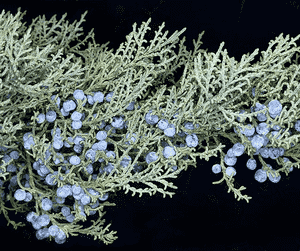
Savin juniper is recognized for its hardiness and ability to withstand difficult environments, making it ideal for gardens requiring minimal upkeep.
2
Adding Savin juniper to your garden layout can introduce varied textures and aesthetic appeal.
3
Employing Savin juniper in your outdoor space can promote eco-friendly methods like reducing water usage.
Why Select Savin Juniper for Your Outdoor Spaces?
Endurance and Resilience: Understanding Savin Juniper's Natural Fortitude
Savin juniper distinguishes itself in landscaping due to its remarkable endurance and resistance. This robust plant flourishes in diverse settings, from sandy to rocky soils, and is notably tolerant of drought and cold. Whether facing intense summer heat or freezing winter temperatures, Savin juniper maintains its sturdy form and vibrant green foliage. This hardiness makes it an ideal option for gardeners seeking minimal upkeep without sacrificing beauty. In addition to its weather tolerance, Savin juniper also resists pests and diseases, further enhancing its appeal as a low-maintenance landscaping choice.
Visual Appeal: The Aesthetic Advantages of Savin Juniper in Garden Areas
Visually, Savin juniper offers a distinct and attractive addition to any garden. Its dense, evergreen leaves provide year-round color and texture, creating a lively backdrop that beautifully contrasts with seasonal plants and flowers. Savin juniper can serve as a focal point in garden design or as a complementary element within a broader landscaping plan. Its spread can vary, allowing for creative shapes, from low ground covers to tall, bushy accents. The plantâs deep green tones offer a calming presence in garden spaces, enhancing the overall aesthetic and fostering a tranquil outdoor environment.
Designing Your Landscape with Savin Juniper
Design Considerations: Crafting Harmonious Layouts with Savin Juniper
When planning your garden landscape with Savin juniper, it's crucial to consider both aesthetic and practical aspects. Savin juniper can be strategically placed to create balance and harmony within your garden layout. Consider using Savin juniper to define paths, border garden beds, or as a natural screen for added privacy. Its adaptable nature allows it to integrate seamlessly with various garden styles, from modern minimalist to rustic country. Be mindful of its growth habits, ensuring ample space for the plant to fully develop without crowding other garden elements. Proper spacing and thoughtful placement can help you achieve a cohesive and visually pleasing design.
Choosing the Optimal Location: Factors for Peak Growth and Appearance
Selecting the correct spot for Savin juniper is vital for its health and visual impact. Consider elements like sunlight, soil type, and drainage when choosing a location. Savin juniper prefers well-drained soil and can endure a range of light conditions, from full sun to partial shade. However, it will thrive best with moderate sunlight exposure. Ensure the planting area has good air circulation to prevent issues like mildew. If you plan to use Savin juniper as a ground cover or for erosion control on slopes, its strong root system can help stabilize the soil. By carefully selecting the planting site, you can enhance Savin juniper's growth and ensure it remains a vibrant and essential part of your landscape.
Integrating Savin Juniper with Other Flora
Companion Planting: Ideal Plant Partners for Savin Juniper
Incorporating Savin juniper with other plants in your garden can create a diverse and appealing landscape. Consider pairing Savin juniper with plants that have similar watering needs and growth patterns. Excellent companions for Savin juniper include lavender, sage, and other drought-tolerant perennials. These plants not only share similar environmental requirements but also offer complementary colors and textures. When combined, they can create a harmonious and visually attractive garden space. Experiment with various plant combinations to discover unique and stunning arrangements that highlight Savin juniper's beauty while supporting the overall health and diversity of your garden.
Building Layers: Techniques for a Dynamic Garden Design
Creating layers in your garden with Savin juniper adds depth and visual interest. Utilize Savin juniper as a mid-level layer between taller shrubs or trees and lower ground covers or flowers. This tiered approach can enhance your garden's structure, making it appear more dynamic and full. Integrate different heights, colors, and textures to craft a richly layered landscape. For instance, you might plant tall ornamental grasses at the back, followed by a row of Savin juniper, and finish with colorful ground covers at the front. This technique not only boosts visual appeal but also improves garden health by promoting better air circulation and light penetration.
Sustainable Practices with Savin Juniper in Landscaping
Water Conservation Strategies: Efficient Watering Methods for Savin Juniper
Sustainability is a key consideration in modern gardening, and Savin juniper is well-suited for water conservation efforts. This drought-tolerant plant requires minimal watering once established, making it an excellent choice for saving water. To support water efficiency, use drip irrigation or soaker hoses that deliver water directly to the root zone, reducing evaporation and ensuring roots receive adequate moisture. Mulching around the base of Savin juniper can also help retain soil moisture and decrease the need for frequent watering. These practices not only conserve water but also promote healthier, more resilient Savin juniper plantings in your garden.
Ecological Advantages: How Savin Juniper Benefits Your Garden's Ecosystem
Beyond its aesthetic and practical benefits, Savin juniper plays a positive role in enhancing your garden's ecosystem. As an evergreen plant, it provides year-round habitat for wildlife, offering shelter and food for birds and beneficial insects. Savin juniper's dense foliage can also improve air quality by filtering pollutants and producing oxygen. Its robust root system helps prevent soil erosion, maintaining soil health and stability. By incorporating Savin juniper into your landscaping, you support a more diverse and resilient garden ecosystem, promoting biodiversity and contributing to the overall health of your outdoor space.



