How to Prune Savin juniper?
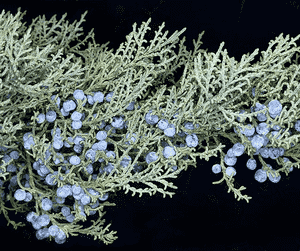
This perennial evergreen is recognized for its low-growing nature and slender, pointed leaves. When trimming Juniperus sabina, concentrate on excising any lifeless or ailing limbs to uphold the plant's well-being, and undertake gentle shaping to retain its inherent structure. The most opportune period for pruning is in the colder months, while the plant is inactive, to lessen the outflow of sap and alleviate strain. Pruning improves air movement, diminishes the likelihood of illness, and fosters more compact development. Particular caution should be exercised to avoid severing into mature wood, as it might not regrow.
What Are the Benefits of Pruning Savin Juniper?
What Are the Benefits of Pruning Savin Juniper?
Trimming savin juniper encourages robust development and helps keep its desired form. Strategic cuts enhance air circulation and sun exposure, lowering disease risk and fostering a denser leaf structure.
What Is the Best Time for Pruning Savin Juniper?
What Is the Best Time for Pruning Savin Juniper?
Trimming savin juniper in late winter to early spring promotes healthy growth and minimizes disease risk. It allows for shaping without hindering new shoots that emerge in spring. Pruning before new growth helps savin juniper heal faster and direct energy to produce a vigorous burst of new foliage, contributing to a dense, attractive shape. Additionally, winter dormancy reduces sap flow, decreasing stress and sap loss that can attract pests. This timing also avoids removing developing cones or berries that appear later, preserving savin juniper's ornamental value.
What Tools Do I Need to Prune Savin Juniper?
Bypass Pruners
Perfect for making clean cuts on savin juniper's younger, softer branches, typically under 0.5 inches in diameter.
Loppers
Offer extra leverage to cut through savin juniper's thicker branches, up to 1.5 inches in diameter, without harming the plant.
Pruning Saw
Essential for removing savin juniper's mature branches over 1.5 inches in diameter or for larger shaping tasks.
Hedge Shears
Useful for trimming and shaping savin juniper's dense foliage to maintain its desired look and plant health.
Gloves
Protect hands from savin juniper's sharp foliage and provide a better grip on pruning tools.
How to Prune Savin Juniper
Sanitize Tools
Before beginning to prune savin juniper, sterilize pruning tools using a solution of 1 part bleach to 9 parts water to prevent disease spread.
Remove Dead Branches
Carefully remove dead branches from savin juniper using sharp, clean pruning shears. Cut where dead wood meets healthy, living tissue, ensuring a clean cut without damaging healthy parts.
Cut Diseased Branches
Identify and trim away any diseased branches from savin juniper. Make cuts into healthy tissue below affected areas to remove all traces of infection. Dispose of diseased material safely to prevent contamination.
Thin Crown
Thin out the crown of savin juniper if needed, by selectively pruning crowded branches to improve air circulation and light penetration. Ensure cuts are made at a node where branches intersect to encourage proper healing and new growth.
Clean Up
After pruning savin juniper, clear all debris from the area to reduce disease and pest risk. Dispose of or compost clippings, except for diseased material, which should be discarded safely.
Common Pruning Mistakes with Savin Juniper
Over-Pruning
Removing too much foliage from savin juniper at once can stress the plant, potentially leading to poor growth or disease susceptibility. Aim to remove no more than one-third of the foliage in a single session.
Irregular Pruning
Failing to prune savin juniper regularly can result in dense, twiggy growth that isn't conducive to the plant's natural form. Consistent light pruning is preferable to infrequent, heavy cuts.
Improper Cuts
Making cuts too flush with the trunk or leaving large stubs can damage savin juniper. Proper pruning involves cutting just above a lateral branch or bud without harming the branch collar.
Tool Hygiene
Using dirty or contaminated tools can spread diseases to savin juniper. Always clean and disinfect pruning tools before and after use.
Neglecting Deadwood
Not removing dead or diseased wood can reduce the overall health and aesthetics of savin juniper. Identifying and pruning out problematic branches is crucial.
Common Pruning Tips for Savin Juniper
Selective Thinning
Encourage a strong framework by selectively thinning out crowded branches on savin juniper, which helps improve light penetration and air circulation within the canopy.
Maintaining Shape
Focus on maintaining the natural shape of savin juniper when pruning. Avoid over-sculpting or creating unnatural forms which can stress the plant and detract from its beauty.
Pruning Tools
Employ the right tools for the job; use sharp, high-quality shears, loppers, or a saw depending on the thickness of the branches being removed from savin juniper.
Health Check
Before pruning savin juniper, conduct a health check to identify any pest, disease, or environmental issues that should be addressed during the pruning process.
Post-Pruning Care
Provide savin juniper with adequate post-pruning care, including watering, mulching, and possibly fertilization to support recovery and vigorous growth.



