How Often Should You Water Your Sweetheart plant?
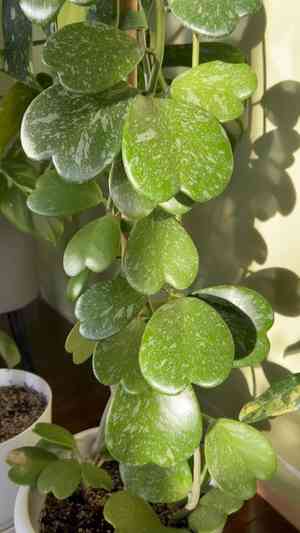
1
Moisten your Sweetheart plant bi-weekly, letting the substrate become arid between hydration sessions.
2
Employing a humidity sensor can assist in providing your Sweetheart plant with the appropriate water volume.
3
Modify your irrigation schedule according to seasonal shifts and internal environmental factors.
Grasping the Hydration Requirements of Sweetheart plant
Elements Affecting Water Needs
Properly caring for your Sweetheart plant begins with understanding the elements that influence its water demands. Key factors include the plant's dimensions, container material, substrate composition, and its surrounding environment. Larger plants and those in permeable, unglazed containers dry out quicker than smaller ones or those in glazed or plastic pots. Soil makeup also plays a role; well-draining soil prevents excessive watering, while dense, compacted soil retains moisture longer, potentially causing root decay. Furthermore, environmental aspects like humidity, temperature, and light exposure can significantly impact how rapidly the soil dries, necessitating adjustments to your watering regimen.
Indicators of Excessive and Insufficient Watering
It's vital to identify the signs of both overwatering and underwatering to maintain your Sweetheart plant's well-being. Overwatered plants frequently exhibit yellowed foliage, soft stems, and a wilted appearance despite moist soil. This condition is harmful as it can lead to root rot and fungal problems. Conversely, an underwatered Sweetheart plant will have dry, brittle leaves and may show stunted growth or drooping even when the soil is parched. Recognizing these indicators helps you modify your watering practices promptly to preserve plant health.
Seasonal Shifts in Watering
Similar to other plants, the Sweetheart plant experiences variations in its water requirements with the changing seasons. During warmer periods, such as spring and summer, the plant's growth accelerates, and it consumes more water. Consequently, you might need to irrigate a bit more often. In contrast, during cooler months like autumn and winter, the plant's growth slows, and it needs less water. Adjusting your watering schedule according to seasonal changes helps sustain the plant's health throughout the year.
Optimal Watering Techniques for Sweetheart plant
How to Water Correctly
Effective watering methods are crucial for your Sweetheart plant's vitality. Water the plant thoroughly, ensuring the moisture reaches the root system to encourage deep root development. It's generally best to irrigate the soil until surplus water drains from the pot's base, guaranteeing adequate hydration without waterlogging. Allow the soil to completely dry out between waterings to prevent root rot. A general guideline is to water every two weeks, but always check the soil's dryness before irrigating.
Selecting the Appropriate Water and Tools
The type of water and implements used can affect plant health. Ideally, use room-temperature, filtered water to avoid the accumulation of chlorine or fluoride, which can harm the plant. Tools such as a watering can with a slender spout, moisture meters, and drip trays can significantly improve your watering routine. A moisture meter is particularly beneficial, as it provides precise readings of soil moisture levels, ensuring you water only when necessary.
Monitoring Soil Moisture for Ideal Watering
Monitoring soil moisture is essential for the optimal health of your Sweetheart plant. Checking the top 2-3 cm (1 inch) of soil can give you an indication of whether the plant requires water. The soil should feel dry to the touch before the next watering. Moisture meters can offer more accurate readings, helping to prevent overwatering. By consistently checking soil moisture, you can significantly enhance your watering practices and overall plant health.
Common Watering Errors to Avoid with Sweetheart plant
Preventing Water Accumulation
A frequent error is allowing water to collect at the pot's base. Ensure your container has adequate drainage holes to prevent water from pooling, which can lead to root decay. Using a saucer beneath the pot can help gather excess water, but remember to empty it regularly to avoid stagnation.
Failing to Adapt to Environmental Shifts
Not adjusting your watering schedule to environmental changes can harm your Sweetheart plant. Factors like variations in indoor temperature, humidity, and light exposure necessitate modifications in your watering routine. For instance, increased heating during winter months may dry out the soil faster, requiring more frequent irrigation. Pay attention to environmental shifts and adjust accordingly.
Disregarding the Plant's Signals
Your Sweetheart plant communicates its needs through visual cues, and ignoring these signs can be detrimental. Always look for indicators of distress, such as yellowing leaves, drooping, or dryness. These signs can guide you in adjusting your care regimen. Regular observation and prompt response to these signals ensure your plant remains healthy and vibrant.



