How to Transplant Sweetheart plant?
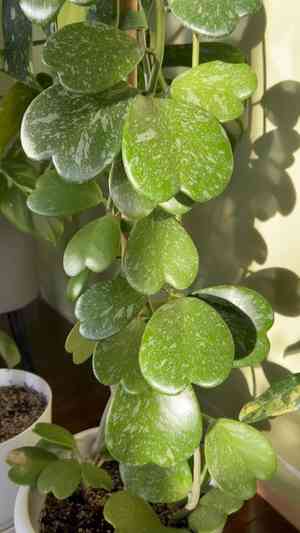
The most favorable period for transplanting sweetheart plant is during the mild temperatures of mid to late spring, or at the onset of early summer. Select a location that offers ample, diffused illumination. To facilitate a seamless adjustment, verify that the growing medium is porous and aerated.
What Preparations are Needed Before Transplanting Sweetheart Plant?
What is the Ideal Time for Transplanting Sweetheart Plant?
For sweetheart plant, the optimal period for relocation extends from mid-spring through early summer. This season, characterized by mild temperatures and stable weather, promotes strong root development and plant recovery after moving. Shifting sweetheart plant during this phase guarantees it establishes well, utilizing the extended daylight hours and the impending summer growth surge for a healthier beginning. Transplanting at this time not only aligns with sweetheart plant's natural growth cycle but also maximizes its chances of flourishing in its new spot before winter's challenges.
How Much Space Should You Leave Between Sweetheart Plant Plants?
For spacing sweetheart plant, aim for at least 2-3 feet (60-90 cm) between each plant. This provides ample room for individual growth and expansion without competing for resources. Ideal for novice gardeners!
What is the Best Soil Mix for Sweetheart Plant Transplanting?
Consider utilizing a well-draining, light soil enriched with organic matter for sweetheart plant. Incorporating a slow-release, granular, balanced fertilizer at the base can also be advantageous. This combination will ensure your plant remains healthy and flourishes!
Where Should You Relocate Your Sweetheart Plant?
Ensure to select a spot for sweetheart plant that receives bright, indirect sunlight. Excessive direct sun can scorch its leaves, while insufficient light can hinder growth. The correct light balance will reward you with a magnificent display.
What Equipments Should You Prepare Before Transplantation Sweetheart Plant?
Gardening Gloves
To safeguard your hands while handling soil and sweetheart plant.
Spade or Shovel
Used for excavating a hole in the ground for sweetheart plant and extracting it from its original position.
Pruning Shears
Utilized to trim any dead or damaged portions of sweetheart plant prior to transplanting.
Trowel
Helpful for digging smaller, more precise holes for planting sweetheart plant if it's small, or for adding compost.
Compost
To blend with the garden soil in the new location. Supplies essential nutrients and enhances soil vitality.
Watering Can
Necessary for hydrating sweetheart plant before and after the transplanting procedure.
A New Pot/Planting Container or Garden Space
Sufficient area is required for sweetheart plant to be transplanted into and grow.
Mulch
To regulate soil temperature and moisture levels, and inhibit weed growth around the sweetheart plant post-transplant.
How Do You Remove Sweetheart Plant from the Soil?
How Do You Remove Sweetheart Plant from the Soil?
From Ground: First, moisten the soil around sweetheart plant. Then, using a spade or shovel, dig a wide trench around the plant, ensuring the root ball stays intact. Carefully work the spade beneath the root ball to lift sweetheart plant from its original spot. From Pot: Begin by watering sweetheart plant to dampen the surrounding soil. Next, turn the pot sideways, gently hold sweetheart plant by its stems, and tap the pot's bottom to loosen it. Slide sweetheart plant out while carefully supporting its root ball. From Seedling Tray: Water the tray initially. Then, gently hold sweetheart plant at its base, and push up from the cell's bottom. Hold sweetheart plant by its root ball and be gentle to avoid harming the delicate roots.
Step-by-Step Guide for Transplanting Sweetheart Plant
Preparation
Have all your tools ready before you start. Don your gardening gloves and prepare the new pot or garden area with the necessary compost and soil.
Removal
Follow the outlined removal procedure for sweetheart plant from its initial location.
Planting
Excavate a hole that is twice as wide and equally deep as sweetheart plant's root ball in the prepared spot. Position the root ball in the hole and backfill with soil, ensuring sweetheart plant is planted at the same depth it was originally.
Settling
Gently firm the soil around sweetheart plant but avoid compacting it. Confirm the plant is upright and stable.
Watering
Thoroughly water sweetheart plant immediately after transplanting. Fill any remaining space in the hole with soil if needed after watering.
Mulching
Apply a layer of mulch around the plant, taking care not to cover sweetheart plant's stem.
How Do You Care For Sweetheart Plant After Transplanting?
Monitoring
Closely observe sweetheart plant during the initial two weeks. Watch for any wilting or yellowing leaves, as these may indicate stress or shock.
Water Management
Water sweetheart plant consistently without over-saturating. Adjust based on the type of sweetheart plant and local weather. Ensure the soil is moist, not waterlogged.
Pruning
Remove any dead or dying leaves to allow sweetheart plant to direct its energy towards new growth. However, avoid heavy pruning as the plant is still recovering from the transplant.
Protection
Keep an eye out for pests and diseases. Should you notice any issues, address them promptly to prevent further distress to sweetheart plant.
Troubleshooting Common Issues with Sweetheart Plant Transplantation.
When is the ideal time to transplant sweetheart plant?
The best time to move sweetheart plant is from late spring to early autumn (S2-S4). This period offers optimal temperature and sunlight conditions for plant development.
What should be the spacing between each sweetheart plant while transplanting?
Maintain approximately 2-3 feet (60-90 cm) between each sweetheart plant during transplanting. This provides sufficient room for growth and prevents overcrowding, which can lead to nutrient competition.
What's the first step to consider before transplanting sweetheart plant?
Before transplanting sweetheart plant, ensure to thoroughly water the plant a few hours beforehand. This helps minimize shock to the plant's roots during the relocation process.
How deep should the hole be for transplanting sweetheart plant?
The hole for sweetheart plant should be twice the size of the plant's root ball. This ensures ample space for roots to establish and promotes healthy growth.
Do I need to amend the soil when transplanting sweetheart plant?
Yes, it's advisable to enrich the soil with organic matter or compost before planting sweetheart plant. This supplies essential nutrients to the plant and aids in supporting healthy growth.
How to care for sweetheart plant immediately after transplanting?
Keep soil consistently moist but not soggy, providing sweetheart plant with adequate water, but not so much that it pools. Excessive water can cause root rot.
Why are the leaves on my transplanted sweetheart plant turning yellow?
Yellow leaves often signal overwatering. After transplantation, ensure sweetheart plant has proper drainage. Adjust your watering schedule to prevent waterlogging, also considering weather conditions.
My transplanted sweetheart plant is wilting. What did I do wrong?
Wilting could be due to transplant shock, insufficient watering, or too much sun exposure. Ensure you follow correct aftercare, and allow sweetheart plant time to adapt to its new environment.
How often should I water a freshly transplanted sweetheart plant?
For the initial few weeks post-transplantation, keep the soil consistently moist but avoid waterlogging. This varies with climate, but generally, watering every few days will suffice.
Can sweetheart plant be transplanted in a pot?
Absolutely! Sweetheart plant can thrive in a container, provided it has adequate drainage. Ensure the pot is large enough for the plant's roots to spread and grow.



