Feng Shui for Sweetheart plant
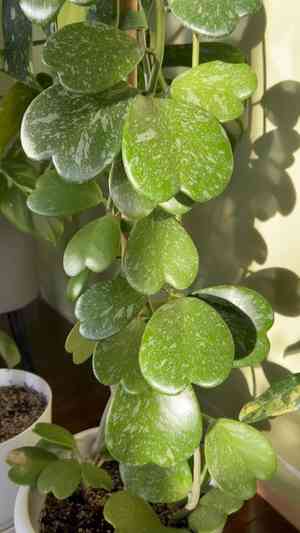
The Sweetheart plant is recognized for its beneficial integration into areas oriented towards the Southeast. This compatibility stems from its cordate foliage, which signifies the Wood element, a crucial component for Southeast-aligned sectors based on Feng Shui tenets. Nevertheless, personal outcomes can differ due to the subtle essence of energetic exchanges.
How Does Sweetheart Plant Influence Energies in Your Life?
Nurturing, Motherly love
Sweetheart plant's Earth element signifies motherhood and care in Feng Shui. Its Qi, Kun, represents earthly matters and maternal energy, thus bringing warmth and nurturing to home environments.
Stability, Reliability
The Earth element of sweetheart plant translates to stability and dependability in Feng Shui. Placed correctly, it can ground a space's energy (Qi), fostering a sense of security and constancy.
What Makes Sweetheart Plant An Auspicious Choice In Feng Shui?
Stability
The sweetheart plant, an Earth element plant, embodies stability, symbolizing grounded energy that promotes a secure and steady environment.
Nourishment
Representing 'Kun' Qi, the sweetheart plant encourages holistic growth, fostering stability and sustenance in life and relationships.
Prosperity
The sweetheart plant, with its robust appearance, is believed to consistently store and cultivate energy, facilitating abundance and wealth.
What Maintenance Tips Should Be Considered for Sweetheart Plant?
Placement
For the sweetheart plant, select a spot that balances its Earth element and Kun Qi, to prevent it from dominating other elements in your area.
Watering
Refrain from overwatering the sweetheart plant as this can signify emotional excess in Feng Shui, potentially diminishing your vitality.
Clutter
A messy or disordered area around the sweetheart plant disrupts its nurturing energy, which could negatively impact potential prosperity.
Where to Position Sweetheart Plant for Feng Shui?
Where to Position Sweetheart Plant for Feng Shui?
Sweetheart plant is known to integrate well in areas facing Southeast. This connection is due to its heart-shaped leaves, symbolizing the Wood element crucial in Southeast zones according to Feng Shui principles. However, personal experiences may differ due to the subtle nature of energy interactions.



