How Much Sunlight Do Sweetheart plant Need?
1
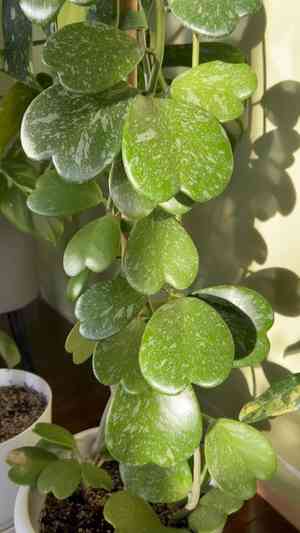
Sweetheart plants flourish with ample, filtered light. Direct sun exposure may damage its foliage.
2
Originating from tropical and subtropical climates, this plant prefers warmer conditions.
3
Periodically turn your Sweetheart plant to promote balanced light distribution and uniform development.
What is the Optimal Illumination for the Sweetheart Plant?
Natural Versus Artificial Illumination
The Sweetheart plant thrives best with natural light, ideally bright yet indirect. While these captivating heart-shaped specimens can endure lower light, they will display more vigorous development and richer foliage hues in brighter settings. If natural light is scarce, supplementary artificial light, such as LED grow lamps, can serve as an effective alternative. Position the plant approximately 60-90 cm (about 2-3 feet) from the light source to simulate an ideal growth environment.
Preferred Window Orientation
Place your Sweetheart plant near windows facing east or north to avoid intense direct sun exposure. These locations provide a few hours of gentle morning sun coupled with bright, diffused light throughout the remainder of the day. West-facing windows can also work, but consider using transparent curtains to soften the strong afternoon rays.
How Much Direct Sunlight Does the Sweetheart Plant Need?
Direct Versus Indirect Solar Exposure
Although the Sweetheart plant can withstand partial sun, meaning approximately 3-6 hours of daily sunlight, it performs optimally under indirect solar exposure. Direct sun can lead to leaf scorching, particularly during peak midday hours. For healthier growth, aim for abundant indirect sunlight and prevent placing the plant in direct afternoon sun.
Impacts of Excessive or Insufficient Sunlight
Achieving the correct light balance is essential. Too much sunlight can cause the foliage to bleach, become brittle, or suffer sunburn, whereas inadequate light can result in stretched, spindly growth and dull, yellowing leaves. Observe your plant closely and modify its placement accordingly to maintain its vibrant, healthy appearance.
Modifying Sunlight for Indoor Sweetheart Plants
Utilizing Sheer Drapes
Transparent drapes are an excellent tool for regulating the amount of sunlight your indoor Sweetheart plant receives. They can filter strong rays, converting direct sunlight into a more plant-friendly, diffused illumination. This modification aids in preventing leaf damage and sustains a consistent brightness level that supports vigorous development.
Seasonal Adjustments
Natural light intensity and duration vary with the seasons, and your Sweetheart plant may require relocation accordingly. During colder months, consider moving the plant closer to windows to maximize available illumination. Conversely, as spring and summer bring stronger sunlight, pull the plant slightly back or ensure it's behind a shade to prevent overheating and burning.
Indicators Your Sweetheart Plant is Receiving Optimal Light
Healthy Development Patterns
A Sweetheart plant that is thriving under its light conditions will exhibit consistent, robust growth. Look for firm, stable stems and regular leaf formation. A sign of appropriate light exposure is uniform growth across the plant, which often necessitates rotating the plant every few weeks.
Foliage Color and Condition
The leaves serve as excellent indicators of your Sweetheart plant's light requirements. Healthy leaves will appear vibrant and firm. If you observe leaves yellowing, wilting, or becoming sparse, it may be a signal to re-evaluate its lighting situation.
Adjusting Light for Outdoor Sweetheart Plants
Best Outdoor Placements
When cultivating a Sweetheart plant outdoors, select locations that provide bright, indirect sunlight. Spots with dappled light beneath larger plants or trees are ideal. Avoid areas with prolonged exposure to harsh midday sun, as this can harm the delicate leaves.
Protecting from Intense Sun
Outdoors, making adjustments to shield your Sweetheart plant from powerful sunlight is vital. You can employ shade cloth or position the plant under partial canopies. This protects it from the midday sun while still allowing for sufficient morning and late afternoon illumination.



