Enhancing Your Garden Design with the Sweetheart plant Plant: A Landscaping Guide
1
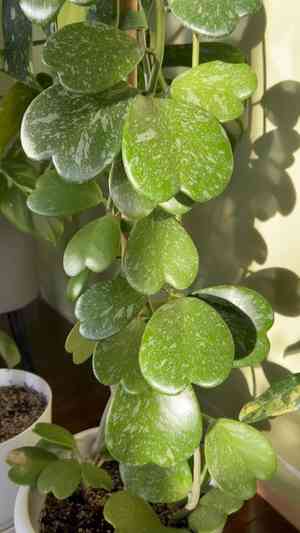
The Sweetheart plant is recognized for its unique heart-shaped foliage, making it a prominent feature in any landscape.
2
This plant requires little care, perfect for those who favor less demanding gardening.
3
Adaptable to various garden environments, the Sweetheart plant complements numerous other species.
Why Incorporate Sweetheart Plant into Your Outdoor Space?
Aesthetic Charm: Distinctive heart-shaped foliage
Sweetheart plant is easily identified by its heart-shaped leaves, which offer a unique visual appeal. This endearing form adds a touch of charm and romance to any garden setting. Whether you're designing a garden for personal enjoyment or for public display, the characteristic leaves of Sweetheart plant are sure to captivate and please.
Effortless Care: Flourishes with minimal attention
A primary benefit of including Sweetheart plant in your garden is its low maintenance needs. This plant thrives with little upkeep, making it ideal for gardeners of all skill levels. Its resilience means you can appreciate its beauty without dedicating extensive time or resources to its care. Just ensure it receives adequate moisture and occasional sunlight, and it will flourish.
Adaptability: Suitable for diverse garden aesthetics
Sweetheart plant is an incredibly versatile specimen, fitting various garden styles from modern to rustic. Its flexible nature means it can complement a range of design preferences. Whether you prefer a structured, formal landscape or a wild, natural appearance, Sweetheart plant can seamlessly integrate into and enhance your garden vision.
Designing with Sweetheart Plant: Placement and Companion Ideas
Front-of-Bed Planting: Ideal for borders and lower garden tiers
Sweetheart plant is an excellent choice for front-of-bed placement. Its modest stature and attractive foliage make it perfect for borders and lower garden layers. Positioning Sweetheart plant at the front of a garden bed ensures its delightful leaves are fully visible and can help delineate garden paths or sections.
Complementary Plants: Recommended pairings with Sweetheart Plant
Pairing Sweetheart plant with appropriate companion plants can enhance its beauty and help create a more unified garden design. Consider plants that complement its heart-shaped leaves and similar care requirements. For instance, low-growing ground covers like creeping thyme or flowering plants like dwarf marigolds can provide a splendid backdrop, accentuating Sweetheart plant's unique look.
Innovative Arrangements: Creative layout concepts featuring Sweetheart Plant
Get imaginative with your garden layout by experimenting with different configurations incorporating Sweetheart plant. For a striking effect, try planting Sweetheart plant in geometric patterns or alongside contrasting foliage. Hanging baskets or vertical gardens are also a fantastic way to showcase Sweetheart plant, adding height and dimension to your landscaping while making the most of limited space.
Seasonal Considerations for Sweetheart Plant
Spring and Summer: Optimizing growth and visual impact
Spring and summer are peak growing seasons for Sweetheart plant. During these warmer months, providing Sweetheart plant with slightly more water can help it thrive. Ensure it is situated in an area where it receives sufficient indirect sunlight to maximize its growth potential and maintain its vibrant, healthy foliage. Regularly check for any pests or diseases to keep your plant in prime condition.
Autumn and Winter: Preparing Sweetheart Plant for colder periods
As the cooler autumn and winter months approach, it's crucial to adjust your care routine for Sweetheart plant. Protect it from frost by moving it indoors or covering it if grown outdoors. Reducing watering during this time will also help prevent root rot and other cold-related issues. Maintaining a stable temperature and ensuring it has access to indirect light will keep Sweetheart plant healthy through the winter.
Maintaining Sweetheart Plant in Outdoor Settings
Watering Practices: Optimizing irrigation for vitality and development
Proper watering is vital for the health and growth of Sweetheart plant. It prefers well-draining soil and should not be overwatered to avoid root rot. A good practice is to water Sweetheart plant thoroughly but allow the soil to dry out between waterings. This routine ensures the plant receives enough moisture without the risk of waterlogging.
Pruning Techniques: Keeping Sweetheart Plant neat and attractive
Pruning Sweetheart plant helps maintain its shape and encourages healthier growth. Regularly remove any dead or yellowing leaves to preserve its tidy appearance. If it becomes too leggy, trimming back some of the stems can promote a more bushy and compact growth habit, enhancing its overall look in your garden.
Longevity Tips: Ensuring the enduring beauty of Sweetheart Plant in your garden
To ensure the lasting beauty of Sweetheart plant in your garden, provide it with the right conditions and care. Consistent watering, protection from extreme temperatures, and occasional feeding with a balanced fertilizer will support its health. By following these tips, you can enjoy the charm and visual appeal of Sweetheart plant in your landscape for many years.



