Boost Growth: How and When to Repot Your Sweetheart plant Plant
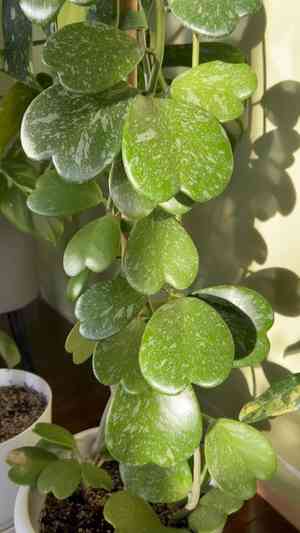
1
The best period to transfer your Sweetheart plant to a new container is in early spring or late winter.
2
Selecting an appropriate pot size is vital to prevent roots from becoming constricted, which can impede plant development.
3
A potting mixture that drains effectively, incorporating peat and perlite, offers the ideal growing medium for your plant.
Why Replant Your Sweetheart plant?
Understanding the growth requirements of Sweetheart plants
Replanting your Sweetheart plant is vital to provide an optimal environment for its development. As a semi-succulent, Sweetheart plants prefer a compact yet aerated root zone that offers stability and sufficient moisture retention without becoming waterlogged. Over time, the potting medium can become compressed and lose its drainage capabilities, potentially leading to root rot and other issues. Replanting revitalizes the plantâs growing substrate, enabling roots to flourish in a healthy, airy setting.
Identifying indicators that your plant requires a new container
Your Sweetheart plant will exhibit several cues when it's prepared for replanting. Watch for roots emerging from drainage openings, a reduction in growth or leaf dimension, or the plant becoming top-heavy and frequently toppling. Another sign is the soil drying out more rapidly than usual. Noticing these indicators early ensures the plant can continue healthy growth unhindered by an inadequate pot size.
Selecting the Appropriate Container and Substrate for Your Sweetheart plant
Choosing the correct pot dimensions and material
When selecting a new container for your Sweetheart plant, opt for one that is 2-3 cm (1 inch) larger than its current pot. This size provides ample space for growth without overwhelming the root system. Additionally, choose pots made from porous materials like terracotta or ceramic, as these help prevent root rot by facilitating the evaporation of excess moisture.
The ideal soil blend for fostering robust growth
A well-draining soil mixture is essential for your Sweetheart plant. Combine peat moss, perlite, and orchid bark in equal proportions to create a medium that retains moisture while allowing proper air circulation around the roots. This blend will support healthy root development and prevent problems associated with overwatering.
Step-by-Step Guide: Replanting Your Sweetheart plant
Preparing your work area and gathering necessary implements
Begin by preparing a clean workspace. Collect all required tools, including a new pot, soil mix, a trowel, pruning shears, and a watering can. Lay down some newspaper or a plastic sheet to manage soil spills and simplify cleanup.
Gently extracting your plant from its current container
To remove your Sweetheart plant from its current pot, place your hand over the soil with the plant stem between your fingers. Invert the pot and gently tap the base until the plant slides out. Handle the plant carefully to avoid damaging the roots.
Examining and trimming the root system if needed
Once the plant is out of the pot, inspect the roots for any signs of decay or damage. Healthy roots should be white or light tan and firm. Trim any blackened, soft, or excessively long roots with sterilized pruning shears to encourage healthy new growth.
Positioning the plant in its new pot and adding soil
Fill the bottom of the new pot with a layer of fresh soil mix. Place your Sweetheart plant in the center, ensuring it is at the same depth as it was in the previous pot. Fill in around the roots with soil, gently pressing down to eliminate air pockets but not so tightly as to compact the soil excessively.
Post-replant care: Watering and placement of your Sweetheart plant
After replanting, water the plant thoroughly to help settle the soil around the roots. Place your Sweetheart plant in a bright, indirect light location and avoid direct sunlight for a few weeks to allow it to acclimate to its new environment. Resume your regular watering schedule once the plant shows signs of new growth.



