How Often Should You Water Your Blue eryngo?
1
Provide moisture to your Blue eryngo weekly to ensure proper hydration.
2
Employ a watering vessel with a slender nozzle to prevent over-saturation of the plant.
3
Modify your irrigation routine based on seasonal changes for best development.
Understanding Blue Eryngo's Hydration Requirements
Recognizing Indicators of Adequate Moisture
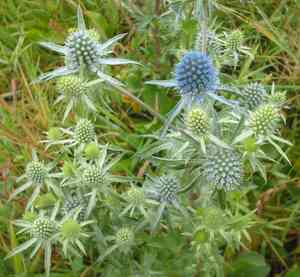
To confirm your Blue eryngo is sufficiently hydrated, observe several key signs. A well-watered plant displays vibrant, firm leaves and stems. Its foliage should exhibit a rich, healthy green hue, signifying water distribution throughout. Furthermore, the soil should feel damp but not saturated when probed about an inch deep. Consistent new growth and blooms are strong indicators of an effective watering regimen.
Identifying Symptoms of Excessive or Insufficient Watering
Both over-watering and under-watering can harm your Blue eryngo. Signs of over-watering include yellowing leaves, a drooping appearance, and soil that smells moldy or musty. Root rot may develop if these conditions persist, leading to irreversible damage. Conversely, under-watering manifests as dry, brittle leaves, stunted growth, and a dull, lifeless plant. The soil will often be parched and crumbly, indicating a need for more frequent irrigation.
Optimal Watering Practices for Blue Eryngo
Determining Watering Frequency
For Blue eryngo, a weekly watering schedule is generally ideal. However, frequency may vary based on the plant's environment. To assess if more or less water is needed, regularly check soil moisture. Insert your finger a few centimeters (about one inch) into the soil; if it feels dry, it's time to water. In warmer climates or during periods of intense sun, you might need to increase watering to twice a week to offset faster moisture evaporation.
Selecting Appropriate Watering Tools and Methods
Employing the correct tools and techniques can significantly impact watering effectiveness. A watering can with a narrow spout allows for precise application, helping to prevent drenching leaves, which can cause fungal issues. Watering at the plant's base ensures moisture reaches the roots directly. Additionally, consider using a moisture meter to accurately gauge soil moisture levels, preventing both over and under-watering of your Blue eryngo.
Seasonal Adjustments to Watering Schedule
Seasonal changes significantly influence your Blue eryngo's watering requirements. During spring and summer, when the plant is actively growing, it needs more frequent watering due to higher evaporation rates. Conversely, in fall and winter, growth slows, and the plant requires less water. Monitor the plant's condition and adjust your watering schedule accordingly. Attending to these seasonal shifts ensures the long-term health and vigor of your Blue eryngo.
Cultivating an Ideal Environment for Blue Eryngo
Soil Types and Their Influence on Water Retention
The soil type you use greatly affects your Blue eryngo's ability to retain water. Well-draining soil, such as sandy loam, prevents water from accumulating around the roots and causing rot. Incorporating organic matter like compost improves soil texture and enhances its water-holding capacity, ensuring roots receive consistent moisture without becoming waterlogged. Avoid heavy clay soils, which tend to retain too much water and can suffocate the roots.
The Impact of Humidity and Temperature
Humidity and temperature also play vital roles in your Blue eryngo's watering needs. In high humidity, the plant may require less frequent watering as atmospheric moisture helps keep it hydrated. Conversely, in arid conditions, you may need to water more often. High temperatures accelerate evaporation, necessitating more frequent watering sessions, while cooler temperatures imply less frequent watering. Always monitor the weather and modify your routine to suit the plant's requirements.



