How to Transplant Blue eryngo?
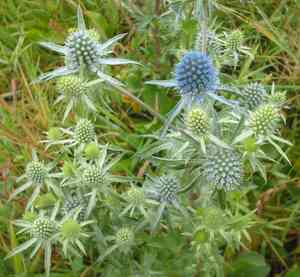
For Eryngium planum, the period from late spring to early summer presents an ideal window, facilitating root development in warm ground. Select locations bathed in sunlight with effective drainage, and during the relocation process, handle the roots with gentle attention to encourage vigorous development.
What Preparations are Needed Before Transplanting Blue Eryngo?
What is the Ideal Time for Transplanting Blue Eryngo?
The best time to move blue eryngo is from late spring to early summer. Relocating blue eryngo during this period takes advantage of mild temperatures, which are vital for root development without the intense heat of summer. This timing allows blue eryngo to adapt and flourish, as the gentle warmth of the season encourages strong root growth, ensuring a resilient plant ready for the hotter months ahead.
How Much Space Should You Leave Between Blue Eryngo Plants?
First, determine the area for planting your blue eryngo. Ensure each plant is spaced 2-3 feet (60-90 cm) apart. This provides ample room for growth and prevents overcrowding.
What is the Best Soil Mix for Blue Eryngo Transplanting?
Prepare your soil to receive the blue eryngo. It prefers well-draining, sandy, or gravelly soils. However, they are resilient and can also adapt to clay soils. Before planting, incorporate a slow-release, balanced base fertilizer to give them a good start.
Where Should You Relocate Your Blue Eryngo?
Consider the sunlight exposure before deciding where to plant your blue eryngo. These robust perennials love the sun, so choose a location that receives full sunlight for at least 6 hours daily. Your blue eryngo will enjoy soaking up the sun's rays!
What Equipments Should You Prepare Before Transplantation Blue Eryngo?
Gardening Gloves
To protect your hands from rough or sharp surfaces while handling the plant and soil.
Shovel or Spade
This tool will be used for digging and lifting the plant.
Gardening Trowel
To carefully manage small roots and excavate smaller, precise holes.
Watering Can
For hydrating the plant to moisten the soil both before and after transplanting.
Mulch
To help retain soil moisture and prevent evaporation post-transplantation.
Garden Pruners
To trim any damaged or excessively long roots.
Wheelbarrow
To transport the plant to its new site if the plant is large.
How Do You Remove Blue Eryngo from the Soil?
How Do You Remove Blue Eryngo from the Soil?
From Ground: First, water the blue eryngo plant to moisten the soil, which facilitates easier removal. The day before transplanting, dig a trench deep and wide enough to encompass all roots without causing damage. Be gentle and use the spade to lift the root ball from its current spot.From Pot: If your blue eryngo is in a container, gently squeeze or tap the sides to loosen the root ball. Tilt the pot and carefully pull the blue eryngo out by its base. Avoid tugging on the stem or leaves.From Seedling Tray: If you are moving a blue eryngo from a seedling tray, carefully lift the sapling using a gardening trowel, ensuring the root remains undamaged.
Step-by-Step Guide for Transplanting Blue Eryngo
Preparation
Prepare the new planting location by digging a hole that is twice the width of your blue eryngo's root ball but the same depth. This ensures the plant sits at its original soil level. Lightly water the hole.
Transplanting
Carefully place the blue eryngo's root ball into the new hole, making sure the plant's collar—the part of the stem at ground level—is even with the soil surface. Backfill the hole with the excavated soil.
Firming
Gently compact the soil around the plant's base. This helps stabilize the plant and eliminates any air pockets that could dry out the roots.
Watering
Thoroughly water the plant after transplanting to ensure the roots make good contact with the moist soil. This aids in the plant's establishment in its new location.
How Do You Care For Blue Eryngo After Transplanting?
Pruning
Immediately after transplanting, trim back the blue eryngo plant by one-third to help reduce water loss.
Watering
Over the next few weeks, continue to monitor the plant and water as needed, ensuring the soil remains consistently moist but not waterlogged. Avoid overhead watering, which can lead to leaf diseases.
Protection
If relocating blue eryngo during summer, provide temporary shade for the initial few days to shield it from intense sun.
Observation
Closely observe your newly transplanted blue eryngo. It may take some time for the plant to fully adapt to its new environment, so do not be concerned if growth appears slow at first. Patience and care are essential.
Troubleshooting Common Issues with Blue Eryngo Transplantation.
When is the best time to transplant blue eryngo?
Late summer to early autumn is the optimal season for relocating blue eryngo. This corresponds with the S3-S4 growing period.
How much space should be allocated between each blue eryngo while transplanting?
You should aim to leave approximately 2-3 feet (60-90cm) between each blue eryngo to provide sufficient room for growth.
What should I do if the leaves of the blue eryngo start yellowing after transplantation?
Yellowing may indicate overwatering or inadequate drainage. Ensure the plant's soil is well-drained and avoid excessive watering.
What depth should I plant blue eryngo at?
Dig a hole deep enough to comfortably accommodate the blue eryngo's root ball, but not so deep that the stem's base becomes buried.
What if my transplanted blue eryngo is not growing?
Ensure it receives adequate sunlight and is in well-drained soil. Also, confirm it has sufficient spacing (2-3 feet or 60-90cm) and is not overwatered.
What should be done if the transplanted blue eryngo shows signs of wilting?
Wilting could be a symptom of transplant shock. Minimize this by watering the plant correctly and allowing it ample time to adjust to its new surroundings.
What type of soil is best for blue eryngo when transplanting?
Blue eryngo generally thrives in well-draining soils that keep the roots moist but not waterlogged.
How do I ensure successful transplantation for blue eryngo?
Properly space the blue eryngo (2-3 feet or 60-90cm apart), water it correctly, use well-drained soil, and transplant during the late summer to early autumn season.
Should I prune blue eryngo when transplanting?
While not essential, you can prune blue eryngo to encourage bushier growth after transplantation. Just be sure to prune carefully.
What if my newly transplanted blue eryngo seems pest infested?
If you observe signs of pests, treat the blue eryngo with an appropriate organic or synthetic pesticide, ensuring you follow the product instructions precisely.



