Enhancing Your Garden Design with the Blue eryngo Plant: A Landscaping Guide
1
Blue eryngo tolerates dry conditions and requires minimal care.
2
Blue eryngo draws in beneficial insects like bees and butterflies, boosting garden ecological variety.
3
Blue eryngo complements numerous plants, improving the visual appeal and tactile qualities of your garden.
Integrating Blue eryngo into Your Landscape Plan
Appreciating the Visual Charm of Blue eryngo
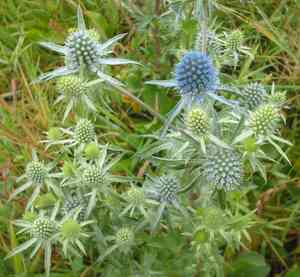
Regarding garden aesthetics, Blue eryngo distinguishes itself with its distinctive and captivating look. Its spiky blue blossoms and silvery leaves lend sophistication and drama to any garden. Its structural form can act as a central point in your landscape design, attracting attention and admiration. The ethereal beauty of Blue eryngo not only offers visual appeal but also fosters a sense of calm and natural balance in your garden area.
Optimal Placement Concepts for Blue eryngo in Garden Designs
Thoughtful placement of Blue eryngo is crucial for maximizing its visual impact. Think about planting it in sunny borders, rock gardens, or as part of a mixed perennial bed. Its tall stems can be used to establish height and dimension, providing a lovely contrast with lower-growing plants. Alternatively, Blue eryngo can be employed as a striking feature in a xeriscape garden, where its drought-resistant nature will excel. Incorporating Blue eryngo into your garden layout can help create a balanced and aesthetically pleasing design.
Enhancing Color Schemes with Blue eryngo
Color harmony is vital in garden design, and Blue eryngo presents a distinctive palette to work with. Its blue blooms can be matched with other cool-toned plants for a serene and unified appearance. Conversely, placing Blue eryngo alongside warm-colored flowers such as yellows, oranges, and reds can produce a vibrant and energetic landscape. This adaptable plant allows for creative expression in color themes, ensuring your garden can mirror your personal style and preferences.
Practical Advantages of Utilizing Blue eryngo in Landscaping
Drought Tolerance and Ease of Upkeep
One of the prominent practical benefits of Blue eryngo is its remarkable drought resilience. This robust plant flourishes in dry conditions, making it an excellent option for gardens in arid regions or for gardeners aiming to reduce water consumption. Furthermore, Blue eryngo demands minimal care, allowing you to enjoy your garden instead of constantly tending to it. Its sturdy character means it can endure challenging environments, providing a dependable and lasting addition to your landscape.
Attracting Wildlife with Blue eryngo: Pollinators and More
A garden teeming with life is always a delight, and Blue eryngo plays a significant role in drawing in various pollinators. Bees, butterflies, and other beneficial insects are attracted to its nectar-rich flowers, which in turn helps to foster a healthy ecosystem in your garden. Moreover, by supporting pollinators, Blue eryngo assists in the pollination of other plants, contributing to a thriving and sustainable garden environment.
Seasonal Considerations and Blue eryngo's Year-Round Appeal
Blue eryngo offers strong year-round performance, retaining its structure and beauty even after its flowering season. In the summer, it captivates with its vivid blossoms. During autumn and winter, its seed heads and foliage continue to provide visual interest. This makes Blue eryngo a valuable asset for creating a garden that looks good every season, ensuring continuous enjoyment and allure throughout the year.
Complementary Planting: What Pairs Well with Blue eryngo?
Selecting Companion Plants for Blue eryngo
Choosing the right companion plants for Blue eryngo can amplify its beauty and your entire garden's charm. Consider pairing Blue eryngo with other drought-tolerant species like lavender, sedum, or salvia. These plants not only require similar growing conditions but also complement Blue eryngo's aesthetic, creating a cohesive and visually striking garden bed. Companion planting can also help to maximize space and resources, fostering a healthier garden environment.
Designing with Textures: Combining Blue eryngo with Other Plants
Incorporating a variety of textures is a fundamental design principle in creating an engaging garden. Blue eryngo's spiky and architectural form contrasts beautifully with softer, more rounded foliage plants such as ornamental grasses, hostas, or lamb's ear. This textural interplay can add depth and complexity to your garden layout, capturing interest and highlighting different elements within the space.
Color Coordination: Examples and Suggestions
Effective color coordination can transform a garden from ordinary to extraordinary. To make the most of Blue eryngo's unique blue hues, consider pairing it with white or silver plants for a monochromatic scheme, or add splashes of complementary colors like golds and purples for a more dynamic effect. Examples of well-matched plants include silver artemisia, golden yarrow, and purple coneflower. These combinations can help you achieve a harmonious and visually stunning garden.



