How to Propagate Blue eryngo?
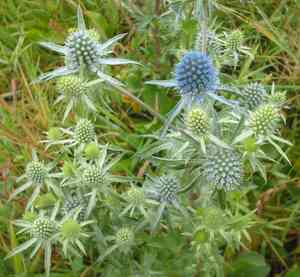
A robust and visually appealing plant, blue eryngo flourishes when reproduced by seeding. Cultivators aiming to grow blue eryngo should guarantee that seeds are planted in soil with good drainage, a substrate that mimics their native environment. Steady hydration is crucial during the sprouting period, but the soil must never become saturated to avoid decay. Gently covering seeds with earth and supplying sufficient light encourages vigorous development. Once young plants are established, thinning is necessary to avert congestion, enabling each to form strong root structures.
Optimal Period for Blue Eryngo Propagation
Propagation Type
Sowing
Propagation Season
Spring
Tools for Blue Eryngo Propagation
Seed trays
Seed trays are vital for sowing blue eryngo seeds. They offer a regulated setting, essential for the initial germination stage. The consistent size and depth of the tray compartments ensure blue eryngo seeds receive uniform light, space, and airflow, promoting even germination rates.
Fine-grained seed starting mix
A fine-grained seed starting mix is perfect for blue eryngo because it doesn't obstruct the small seeds and helps maintain proper moisture without waterlogging. This mix typically balances aeration and water retention, aiding germination and early root development.
Misting spray bottle
A misting spray bottle is used to gently water seed trays without disturbing seeds or causing soil erosion. Light misting helps keep delicate blue eryngo seeds adequately moist during germination, improving success rates.
Grow lights (if starting indoors)
Grow lights are beneficial if blue eryngo is propagated indoors to compensate for insufficient sunlight. Using grow lights ensures seedlings receive the optimal light spectrum and intensity for photosynthesis and healthy early growth.
Heating mat
A heating mat is particularly useful for enhancing the environment around blue eryngo's seeds, as it maintains a consistent soil temperature conducive to germination. This is especially important for temperature stability during colder periods or in cooler climates.
How to Propagate Blue Eryngo?
Propagation Type
Easy
Caring for Newly Propagated Blue Eryngo
Caring for Newly Propagated Blue Eryngo
After propagation, gradually introduce young blue eryngo plants to outdoor conditions over a week before planting them in the garden. Select a location with well-drained soil and full sun. Water plants regularly during their first growing season to establish a strong root system and mulch to retain moisture. Once established, blue eryngo is drought tolerant and requires minimal care, responding well to occasional watering and a yearly application of balanced fertilizer in the spring.
Common Mistakes to Avoid When Propagating Blue Eryngo
Overwatering
Excessive watering of blue eryngo during propagation can lead to root rot, a common issue causing plant death. Moderate watering to keep the soil consistently moist but not saturated.
Excessive handling
Blue eryngo's roots are fragile during propagation. Handling them too much can damage delicate roots and impede their development.
Ignoring soil requirements
Blue eryngo needs well-draining soil. Using dense soils, like heavy clay, can retain too much moisture and lead to root diseases.
Planting at incorrect depth
Planting blue eryngo too deep or too shallow in the soil can stress the plant, affecting root development and making it vulnerable to environmental stressors.
Tips For Propagating Blue Eryngo
Use of bottom heat
Providing bottom heat can stimulate root growth for blue eryngo cuttings, thereby improving propagation success.
Proper sanitation
Sterilizing propagation tools prevents disease transmission to blue eryngo, ensuring healthier growth.
Adequate spacing
Allowing sufficient space between blue eryngo plants ensures proper air circulation, reducing fungal infection risk and promoting healthier plants.
Light control
Ensuring blue eryngo receives adequate but not excessive light during propagation encourages robust growth without the stress of intense direct sunlight.



