How to Prune Blue eryngo?
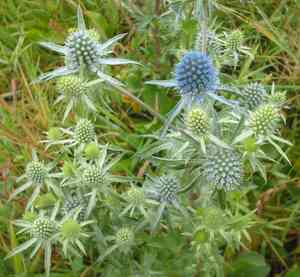
This prickly perennial, identifiable by its unique blue thistle-like blossoms, flourishes in ample sunlight and soil that drains effectively. For blue eryngo, trimming ought to concentrate on removing faded blooms to encourage additional flowering and preserve a neat look. Sever stems following their bloom period, usually in late summer or autumn, to foster fresh development in the subsequent season. In the spring, eliminate any deceased or compromised leaves to support robust growth. Trimming blue eryngo not only prompts new flowers but also deters self-propagation if preferred.
What Are the Benefits of Pruning Blue Eryngo?
What Are the Benefits of Pruning Blue Eryngo?
Trimming blue eryngo promotes more abundant flowering, supports robust development, and helps maintain its desired form. Regular cutting can also enhance air circulation, decreasing the likelihood of fungal infections.
What Is the Best Time for Pruning Blue Eryngo?
What Is the Best Time for Pruning Blue Eryngo?
Spring is an optimal period to prune blue eryngo as it precedes the active growth phase, allowing the plant to recover quickly and produce new shoots. This timing maximizes plant vitality and helps maintain an attractive, compact shape. Additionally, any winter damage can be removed, which encourages healthier foliage and blooms. Autumn pruning is also suitable for blue eryngo as it aids in thinning out spent or dead stalks after the growing season, tidying the plant, and reducing disease potential. Pruning during the hot summer months is not recommended as it can stress the plant and increase vulnerability to disease and pests. However, deadheading – the removal of faded flowers – can be performed in summer to encourage further blooming. The chosen seasons avoid disrupting the plant's natural flowering cycles and minimize the chance of harming the plant when it is most susceptible.
What Tools Do I Need to Prune Blue Eryngo?
Bypass Pruners
Perfect for making clean cuts on the green stems of blue eryngo, without crushing plant tissues.
Garden Scissors
Useful for precise trimming and shaping of the blue eryngo, especially when dealing with thinner or more delicate stems.
Pruning Saw
Suitable for cutting through thicker, woody stems of blue eryngo if it has matured and developed a tougher base.
Gloves
Essential for protecting hands from the spiny foliage of blue eryngo during pruning.
Long-sleeved Shirt
Advisable to wear to prevent scratches from the spiny leaves of blue eryngo.
How to Prune Blue Eryngo
Disinfect Tools
Begin by sterilizing pruning shears and scissors to prevent the spread of disease while trimming blue eryngo. Clean the tools with a solution of one-part bleach to nine parts water or use rubbing alcohol.
Remove Diseased Leaves
Carefully inspect blue eryngo to identify any diseased leaves. Use the sterilized shears to snip off these leaves at the base where they join the main stem or branch, avoiding contact with healthy parts to prevent contamination.
Trim Withered Leaves
Look for withered leaves that may be old or damaged by environmental conditions. Gently remove these leaves by cutting them at the stem junction or carefully plucking them if they come away easily, ensuring to cause minimal disturbance to blue eryngo's healthy foliage.
Pruning Withered Flowers
Identify withered flower stems on blue eryngo and prune them back to the nearest healthy leaf node. This encourages future growth and flowering by redirecting blue eryngo's energy away from seed production.
Cleanup
After pruning, collect all the removed material from around blue eryngo and dispose of it away from the garden to reduce the risk of fungal diseases or pests. Clean your tools again to ensure they are ready for the next use.
Common Pruning Mistakes with Blue Eryngo
Overzealous Pruning
Cutting back blue eryngo too drastically can risk the structural integrity and health of the plant. It is essential to avoid removing too much of the plant at once, as this can lead to weakened growth and reduced flowering.
Imprecise Cuts
Making cuts that are either jagged or at the incorrect angle can harm blue eryngo, leading to potential disease entry points and poor healing. Clean, angled cuts are crucial for the well-being of the plant.
Neglecting Deadheading
Failing to remove spent flowers (deadheading) can result in a less vigorous blue eryngo, as the plant may focus energy on seed production rather than new growth and future blooms.
Pruning Without Sanitation
Using dirty pruning tools can introduce pathogens to blue eryngo, potentially causing infections. It is a common oversight not to sterilize tools before and after use.
Ignoring Plant Shape
Pruning without considering the natural form of blue eryngo can result in an unnatural appearance and may hinder its growth pattern. Understanding the growth habit is necessary for shaping the plant aesthetically and healthily.
Common Pruning Tips for Blue Eryngo
Gradual Pruning
For blue eryngo, it is advisable to prune gradually, removing no more than one-third of the plant at a time. This practice allows the plant to maintain its strength and vigor.
Sharp Tools
Use sharp, clean pruning shears or knives to make precise cuts. This results in less damage to blue eryngo, promoting quicker healing and reducing disease risk.
Deadheading
Regularly remove dead or faded flowers from blue eryngo to stimulate new growth and prolong the blooming period. This also prevents the plant from diverting energy into seed production.
Tool Sanitization
Always sanitize pruning tools before and after working with blue eryngo to prevent the spread of disease; a solution of bleach or alcohol can be used to wipe down the blades.
Consider Growth Habit
Take time to understand the growth habit of blue eryngo before pruning, to maintain its naturally striking form while encouraging healthy growth and abundant flowering.



