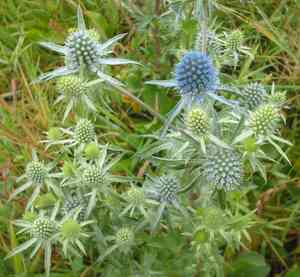
Blue eryngo (Eryngium planum)
Also known as: Flat sea-holly
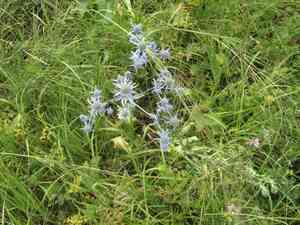
The blue eryngo (Eryngium planum), a thistle known for its distinctive blue, egg-shaped flowers, is native to central and southeastern Europe as well as parts of Asia. Often utilized in landscaping, it thrives in full-sun garden beds and borders.
In This Article
Attributes of Blue eryngo
Lifespan
Perennial
Plant Type
Herb
Plant Height
75 cm
Spread
45 cm to 60 cm
Leaf Color
Green Blue Gray Silver
Flower Size
1 cm to 1.2 cm
Flower Color
Blue
Images of Blue eryngo
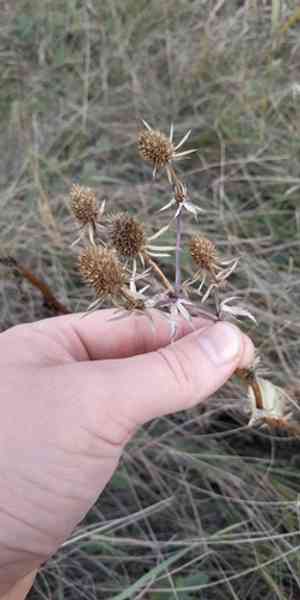
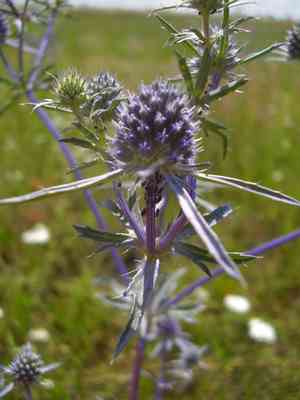
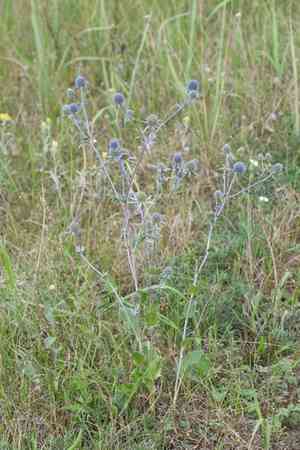
Quickly Identify Blue eryngo
1
Upright clumps reaching 1-3 feet (30-91 cm) in height and 1-2 feet (30-60 cm) in width.
2
Flower heads are spherical-cylindrical umbels, 2 inches (5 cm) across, with stemless steel violet-blue flowers.
3
Spiny-edge, toothed leaves in a basal rosette, elliptic to oblong, up to 14 inches (35 cm) wide.
Scientific Classification of Blue eryngo
Phylum
Vascular plants
Class
Dicotyledons
Order
Apiales
Family
Umbellifers
Genus
Eryngos
Species
Blue eryngo
Planting and Growing of Blue eryngo
Care Difficulty
Easy
Watering Schedule
Every 4 days
Sunlight Requirements
Full sun
Sunshine Duration
6-10 hours
Ideal Temperature
60-75℉
Soil Type
Potting Mix, Peat Mix
Soil pH
6.5-7.5
Fertilizer Type
Balanced
Pruning Season
Spring, Summer
Pruning Area
Branches, Leaves
Pruning Frequency
2 times a year
Repotting Season
Spring
Pot Type
Plastic, Ceramic
 How to Water Blue eryngo?
Eryngium planum, commonly known as blue sea holly, prefers its soil to be kept slightly moist but not soggy. Generally, aim for about 250 milliliters per watering session, which should evenly moisten the soil without waterlogging it. Water until the topsoil feels damp to touch, ensuring it penetrates to the root level.
More About Watering Techniques→
What are the symptoms of an underwatered Blue eryngo?
›
What should I do if my Blue eryngo is not getting enough water?
›
What are the symptoms of an overwatered Blue eryngo?
›
How to save an overwatered Blue eryngo?
›
 What Are the Sunlight Requirements for Blue eryngo?
Eryngium planum ideally thrives in full sun conditions where it basks under direct sunlight for about 6 to 8 hours daily. This exposure allows it to carry out photosynthesis effectively, producing vibrant blooms and maintaining robust health.
More About Sunlight Requirements Techniques→
How does Eryngium planum thrive under ideal lighting conditions?
›
What are some effective solutions to achieve these ideal lighting conditions?
›
What benefits will Eryngium planum gain from receiving its ideal lighting?
›
 What Is the Ideal Temperature Range for Blue eryngo?
The ideal temperature range for cultivating Eryngium planum is between 60 and 75 degrees Fahrenheit. This range is optimal because it mimics the plant's natural environment, allowing it to grow vigorously and produce vibrant flowers. Maintaining these temperatures helps in ensuring active growth and minimizes stress, which could otherwise impede the plant's health. Consistency within this range promotes an ideal photosynthesis process, leading to lush and robust plant development.
 What Soil is Best for Blue eryngo?
Eryngium planum thrives in well-draining soil, which prevents root rot and other moisture-related issues. Good drainage ensures that the roots receive adequate air, promoting healthy plant growth. This plant prefers soil with moderate fertility, as excessive nutrients can lead to unwanted lush foliage at the expense of flower production. Balanced nutrient content supports optimal flowering and plant health. Eryngium planum does well in soil with a pH between 6.5 and 7.5. This pH range facilitates the absorption of essential nutrients, enhancing vigor and bloom quality.
More About Soil→
 How to Fertilize Blue eryngo?
Eryngium planum prefers a balanced approach when it comes to fertilization. Use a liquid fertilizer diluted to half strength, about 1 tablespoon per gallon of water, ensuring that the soil is moist before application to avoid root burn.
More About Fertilizing Techniques→
 How to Prune Blue eryngo?
Begin by removing any dead or diseased stems. This not only improves the plant’s aesthetic appeal but also prevents disease from spreading to healthy parts. For optimal regrowth, cut old and straggly growth back to the base. This encourages fresh and sturdy growth and ensures that your Eryngium planum remains full and vibrant. Lightly shape the plant to maintain its natural form. Eryngium planum has a distinctive, architectural habit, so avoid excessive shaping that strays from its natural appearance.
More About Pruning Techniques→
 How to Propagate Blue eryngo plant?
1
Begin by sowing seeds in seed trays filled with a well-draining soil mix. Cover the seeds lightly with soil and water gently. Keep the trays in a warm, light location to ensure successful germination, typically taking 2-3 weeks.
2
Select healthy, non-flowering shoots for cuttings. Cut below a node using a sharp knife, then remove the lower leaves. Dip the cut end in rooting hormone before planting in a pot with moist soil.
3
In early spring or summer, dig up mature plants. Use a sharp knife to divide the root ball into smaller sections, ensuring each has roots and shoots. Replant the divisions in prepared soil, spacing them adequately.
 How to Repot Blue eryngo plant?
1
Eryngium planum shows signs of needing repotting when growth becomes stunted, roots appear bound or emerge from drainage holes, and water retention worsening. These signals mean the plant has outgrown its current pot, requiring more space and nutrients.
2
Select a pot that is just one to two inches larger in diameter than the old one and has plenty of drainage holes. This ensures proper root growth space without overwhelming the plant with too much soil, which could lead to overwatering issues.
3
Opt for a well-drained sandy or loamy soil mix, which prevents root rot and provides the essential drainage properties that Eryngium planum requires. This soil type supports healthy aeration and moisture levels.
Learn More About Blue eryngo Diseases
Anthracnose
Bacterial Leaf Spot
Bacterial Soft Rot
Bacterial Wilt
Crown Gall
Cyst Nematode
Damping-off
Downy Mildew
Drought Stress
Fusarium Wilt
Gray Mold
Leaf Spot
Mosaic
Nutrient Deficiency
Nutrient Toxicity
Powdery Mildew
Root Rot
Root-knot Nematode
Rusts
Sooty Mold
Spider Mites
Temperature Stress
Thrips Damage
White Mold



