How Often Should You Water Your Water wattle?
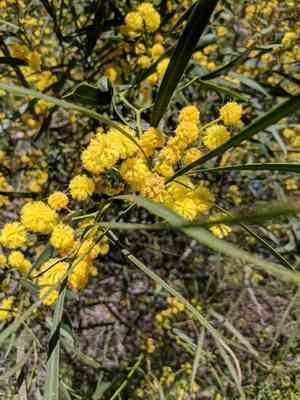
1
Provide moisture to your Water wattle weekly for best development.
2
The early part of the day is ideal for watering your Water wattle to minimize water loss.
3
When the soil is parched 2 inches (5 cm) down, it's time to hydrate your Water wattle.
Grasping the Hydration Requirements of Water Wattle
Optimal Irrigation Schedule
The Water wattle, recognized for its abundant foliage and hardiness, necessitates a consistent watering regimen to flourish. Ideally, you should irrigate your Water wattle once per week. Regular watering ensures the plant receives adequate moisture without suffering from drought stress. However, the precise frequency can vary based on factors like soil composition, climate, and the plant's developmental stage. For instance, during drier periods, you might need to slightly increase watering frequency.
Indicators of Insufficient and Excessive Watering
Maintaining proper watering equilibrium is vital. If your Water wattle is underwatered, you will observe drooping leaves, stunted growth, and arid soil. Conversely, overwatering can be equally detrimental, leading to yellowed foliage, root decay, and saturated soil. Monitoring the plant's reaction and regularly checking soil moisture can help avert these problems. Always ensure the top 2 inches (5 cm) of soil are dry before re-watering.
Seasonal Adjustments to Irrigation
The watering demands of your Water wattle can shift with the seasons. During the spring and summer growth periods, the plant may require more frequent irrigation due to elevated temperatures and increased evaporation rates. Conversely, in autumn and winter, watering frequency can be decreased to prevent excessive moisture accumulation. Adapting your watering schedule to seasonal changes ensures the plant remains healthy throughout the year.
Best Practices for Hydrating Water Wattle
Selecting the Appropriate Time of Day
Timing is crucial for effective watering. The optimal time to irrigate your Water wattle is in the early morning. This timing allows water to permeate the soil before midday heat causes significant evaporation. Evening is another suitable period, but morning watering is preferred as it lessens the risk of fungal development that can occur if foliage stays damp overnight.
Utilizing the Correct Water Type
The kind of water you employ can significantly impact your Water wattle's health. Rainwater is ideal due to its natural purity. If unavailable, tap water is generally adequate, but it's best to let it sit for a day to allow chlorine and other chemicals to dissipate. Avoid using softened water as it contains salts that can accumulate in the soil and harm the plant.
Monitoring Soil Moisture Levels
Regularly assessing soil moisture is essential for maintaining the correct watering balance. Use your finger to check the soil up to 2 inches (5 cm) deep â if it feels dry, it's time to water. Alternatively, soil moisture meters are available and offer a more precise measurement. Ensuring the soil remains damp but not waterlogged will keep your Water wattle in peak condition.
Resolving Common Watering Issues with Water Wattle
What to Do If Leaves Begin to Drop
Leaf shedding in Water wattle can signal stress, often due to improper watering. If you notice leaves falling, first inspect the soil moisture. Underwatering typically results in dry soil and brown, brittle leaves, while overwatering leads to soggy soil and yellowing leaves. Adjust your watering schedule accordingly: increase irrigation for dry soil and reduce it for overly wet conditions. Ensure adequate drainage to prevent water accumulation.
Addressing Root Rot from Excessive Hydration
Root rot is a frequent problem stemming from overwatering. If you suspect root rot, characterized by a foul odor and soft roots, act quickly. Remove the plant from its container, trim affected roots, and repot it in fresh, well-draining soil. Ensure the pot or ground has ample drainage to prevent future occurrences. Reducing your watering frequency and monitoring soil moisture can help avoid root rot.



