How to Prune Water wattle?
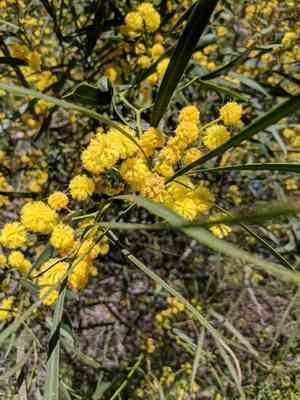
Recognized for its capacity to flourish in moist environments and its striking yellow flowers, water wattle benefits from particular trimming methods. To encourage robust development and preserve its form, regular removal of aged branches and reduction of excessively large sections is advisable. Trimming ought to take place in winter while the plant is inactive, which improves blooming and aids in the emergence of healthy new stems. It is crucial to refrain from severe pruning, as this can cause stress to water wattle, diminishing its aesthetic value and hardiness.
What Are the Benefits of Pruning Water Wattle?
What Are the Benefits of Pruning Water Wattle?
Trimming water wattle promotes robust development and helps maintain its desired form. It stimulates fresh, healthy branches and foliage, enhancing the plant's visual appeal and structural soundness.
What Is the Best Time for Pruning Water Wattle?
What Is the Best Time for Pruning Water Wattle?
Pruning during late winter to early spring aligns with water wattle's dormant period, just before its active growth phase begins. This timing minimizes plant stress, reduces disease risk due to fewer active pathogens, and allows shaping without affecting its late winter to summer blossoms. It ensures growth resources are directed efficiently towards new, healthy growth as temperatures rise, optimizing the plant's vigor and appearance.
What Tools Do I Need to Prune Water Wattle?
Hand Pruners
Perfect for trimming small branches and twigs on water wattle due to their precision and ease of use.
Loppers
Recommended for cutting thicker branches that hand pruners cannot manage, as water wattle can have branches too large for smaller tools.
Pruning Saw
Essential for cutting through branches and limbs over 1.5 inches in diameter, likely needed for mature water wattle.
Hedge Shears
Suitable for shaping and maintaining water wattle's dense foliage, allowing for neat trimming of lighter branches and leaves.
Pole Pruner
Useful for reaching higher branches on water wattle without ladders, offering safety and convenience.
Garden Gloves
Important for protecting hands from thorns and rough bark while pruning water wattle, ensuring a safer session.
Pruning Sealer
Helpful for sealing larger wounds on water wattle after pruning, to keep out pests and diseases â however, use with caution as some sources advise against sealing cuts on certain plants.
How to Prune Water Wattle
Select Tools
Choose sharp, clean pruning shears or a saw, depending on the thickness of water wattle branches to be pruned. Ensure tools are sterilized to prevent disease spread.
Inspect
Examine water wattle for dead or diseased branches. Look for signs of damage or decay such as brittle wood, discoloration, or fungal growth.
Prune Dead Branches
Carefully remove dead branches by cutting them where they meet healthy wood. Make cuts at a slight angle to promote water runoff and prevent disease.
Prune Diseased Branches
Cut away any diseased branches on water wattle, ensuring the entire affected area is removed. Disinfect tools after each cut to avoid spreading pathogens.
Clean Up
Dispose of all removed material promptly and clean the area around water wattle to minimize disease or pest infestation risk.
Common Pruning Mistakes with Water Wattle
Over Pruning
Beginner gardeners often cut back water wattle too severely, which can stress the plant and lead to poor growth or even death.
Improper Cut
Making cuts too flush with the trunk or leaving large stubs can harm water wattle. This can lead to disease and insect infestations.
Disregarding Health
Ignoring signs of diseases or pests before pruning can lead to problem spread. Always inspect water wattle beforehand and address any issues.
Using Dull Tools
Using dull or dirty pruning tools can damage branches, create jagged cuts that heal slowly, and introduce pathogens to water wattle.
Pruning Without Plan
Pruning water wattle without a clear strategy can result in an undesirable shape or uneven growth. Careful planning ensures a more aesthetically pleasing and healthy plant.
Common Pruning Tips for Water Wattle
Sterilize Tools
Before pruning water wattle, always sterilize cutting tools to prevent disease spread. Use alcohol or a bleach solution to clean blades.
Make Clean Cuts
Ensure cuts are made at a slight angle just above a healthy bud or node to promote proper healing and new growth in water wattle.
Remove Dead Wood
Regularly removing dead or damaged wood from water wattle will help maintain its health and vigor. It also encourages new blooms by redirecting energy to healthy plant parts.
Thin Crowded Areas
Thin out crowded branches to improve air circulation and sunlight penetration, both crucial for water wattle's health and flowering.
Promote Shape
Shape water wattle by selectively pruning branches that contribute to an uneven appearance. Aim to maintain its natural growth habit for best results.



