The Hidden Danger in Your Home? Unmasking the Toxicity of the Water wattle Plant.
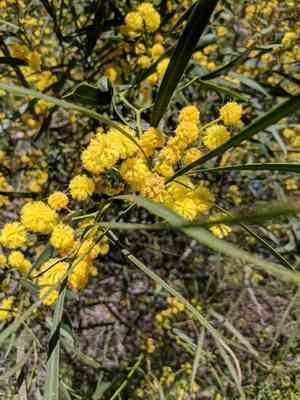
1
The leaves of water wattle emit hydrogen cyanide, which disrupts cellular oxygen utilization, causing significant health issues.
2
Felines might display negative health reactions after consuming water wattle, such as discomfort or distress.
3
Canines that ingest water wattle may experience signs such as labored breathing and possible collapse due to hydrogen cyanide.
Is Water wattle harmful to people?
Water wattle exhibits a moderate degree of toxicity to humans, mainly if its foliage is eaten. When ingested, these leaves release hydrogen cyanide, a powerful poisonous compound that disrupts cellular oxygen utilization, resulting in severe health consequences. Signs of poisoning can encompass breathing difficulties, lightheadedness, headaches, disorientation, and possibly seizures or unconsciousness in critical instances. It is vital for individuals to prevent unintentional consumption of water wattle leaves, despite their availability, to avert these harmful effects.
Is Water wattle harmful to felines?
Water wattle presents a moderate danger of toxicity to felines. Cats might inadvertently consume portions of the plant, especially leaves, leading to poisoning. The main toxic agent contributing to this risk is hydrogen cyanide. Following ingestion, a cat could experience several negative health impacts indicating physical discomfort or distress. To lessen the dangers linked to poisoning, it is crucial to observe your cat for any behavioral shifts that might suggest illness and obtain prompt veterinary assistance if exposure is suspected.
Is Water wattle harmful to canines?
The plant known as water wattle is deemed to possess a moderate level of toxicity for dogs. Dogs can be poisoned by this plant if they consume it by accident, which is not unusual given dogs' inquisitive nature and inclination to chew on various plants. The primary toxic component of water wattle that poses a risk is the leaf, which contains hydrogen cyanide, a potent poisonous substance. After consuming parts of water wattle, dogs might display symptoms such as labored breathing, panting, enlarged pupils, and potentially collapse due to the effects of hydrogen cyanide. It's essential for dog guardians to supervise their pets closely and restrict access to water wattle to prevent accidental ingestion. Should a dog ingest this plant, immediate veterinary care is critical for swift treatment.



