How to Propagate Water wattle?
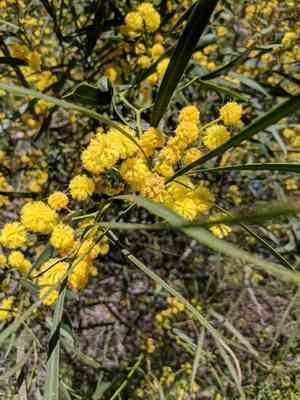
Acacia podalyriifolia is easily multiplied via stem sections. For best results, select a robust, semi-hardwood cutting, making sure to sever it with a sterile, keen tool to prevent disease. Subsequently, immerse the severed tip in rooting compound to foster more vigorous root formation and embed it in a potting blend that drains effectively. Sustaining uniform dampness and a steady, temperate setting is crucial for stimulating root growth, which can lead to thriving development.
Optimal Period for Water Wattle Propagation
Propagation Method
Cutting
Propagation Season
Autumn,Winter
Tools for Water Wattle Propagation
Sharp Pruning Shears
Crucial for making clean, precise cuts when taking stem cuttings from water wattle. Sharp blades minimize damage to both the parent plant and the cutting, boosting the likelihood of successful rooting.
Rooting Hormone
This chemical compound encourages root development from water wattle cuttings. Applying it to the cut end helps speed up root formation, increasing the overall propagation success rate.
Sterile Potting Mix
Using a sterile, well-draining potting mix is vital to prevent disease and offer adequate support and nutrients to water wattle cuttings. Its sterile nature prevents contamination and disease spread, which is key during the delicate initial stages of root growth.
Propagation Trays
Shallow trays designed to hold multiple cuttings are perfect for organizing and managing water wattle cuttings during the rooting phase. These trays should have good drainage and be paired with clear covers to maintain high humidity, which aids root formation.
Heating Mats
Placing propagation trays on heating mats can significantly improve the rooting success of water wattle by maintaining a steady and appropriate temperature. This is especially beneficial during colder months or in cooler climates.
How to Propagate Water Wattle?
Propagation Type
Moderately Difficult
Caring for Newly Propagated Water Wattle
Caring for Newly Propagated Water Wattle
Once water wattle cuttings have established roots, gradually acclimate them to the outdoor environment by removing the plastic cover for increasing durations daily. When the plants show new growth and can retain moisture without the cover, transfer them to individual pots or their permanent garden spot. Continue to provide consistent water, but be careful to avoid waterlogged soil. Water wattle is drought tolerant once mature, but regular watering helps young plants develop strong root systems. Fertilization is generally not needed, but a light application of a low-phosphorous, native plant fertilizer can be given in the first year to support growth. Pruning can promote bushier growth and prevent water wattle from becoming leggy.
Common Errors to Avoid When Propagating Water Wattle
Inadequate cutting preparation
Improper preparation of cuttings can lead to infection or poor root development. Cuttings should originate from healthy, disease-free growth and ideally include several nodes.
Overwatering
Excessive watering of cuttings or seed beds can cause root rot and fungal diseases, which are harmful to water wattle's health. The soil should remain moist but not saturated.
Incorrect soil medium
Using a soil medium that drains poorly or lacks nutrients can hinder root development. Water wattle requires well-draining soil with sufficient fertility levels to thrive.
Neglecting humidity
Failing to maintain a humid environment around the cuttings can cause them to dry out. Water wattle cuttings benefit from a humidity tray or a plastic covering until roots establish.
Too much sunlight
Exposing water wattle cuttings to direct sunlight can stress them, leading to dehydration and reduced rooting chances. They require indirect light to ensure successful propagation.
Tips For Propagating Water Wattle
Select healthy parent plant
Choose a robust, vigorous parent plant as a source for cuttings, as this indicates water wattle's potential for successful new growth.
Stem cuttings technique
For stem cuttings, snip 4-6 inches of semi-hardwood at an angle just below a node using sterilized equipment, remove lower leaves, and apply rooting hormone to the cut end to encourage successful rooting.
Correct watering regime
Water the water wattle cuttings or seeds with a fine mist to keep the soil consistently moist, avoiding excess water that can lead to fungal issues and ensuring proper drainage.
Humidity control
Maintain a high humidity level by using a humidity dome or a plastic bag to cover the cuttings, helping prevent desiccation while water wattle's roots develop.
Soft shade conditions
Place water wattle cuttings in a bright location with indirect sunlight. Soft shade conditions help prevent stress and encourage rooting without the risk of scorching the young plants.



