How to Transplant Nettle-leaved mullein?
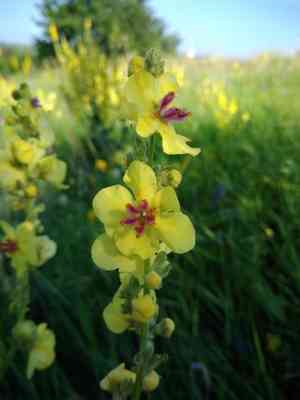
The most favorable time to transplant nettle-leaved mullein is in the mild warmth of early summer, when the ground is warm and environmental factors are consistent. Select a sun-drenched location with soil that drains effectively to accommodate nettle-leaved mullein's root system. A helpful suggestion: provide sufficient room for development to prevent undue rivalry.
What Preparations are Needed Before Transplanting Nettle-leaved Mullein?
What is the Ideal Time for Transplanting Nettle-leaved Mullein?
The optimal period for relocating nettle-leaved mullein spans from the revitalizing late spring to the vibrant early midsummer. This timeframe capitalizes on mild weather, which is perfect for nettle-leaved mullein's root establishment and development. By transplanting then, nettle-leaved mullein benefits from warm soil that aids root growth, while cooler air temperatures minimize transplant shock, promoting robust development. Additionally, this window allows ample time for nettle-leaved mullein to settle before winter's arrival. A timely move ensures a flourishing nettle-leaved mullein!
How Much Space Should You Leave Between Nettle-leaved Mullein Plants?
When planning to move your nettle-leaved mullein, ensure each plant is spaced 1-2 feet (30-60 cm) apart. This provides sufficient room for them to expand and thrive optimally. Consider it giving each plant its own personal area!
What is the Best Soil Mix for Nettle-leaved Mullein Transplanting?
Your nettle-leaved mullein prefers well-drained, neutral to alkaline soil. Before transplanting, amend the soil by incorporating a balanced base fertilizer. This will supply essential nutrients and support the healthy growth of your plants.
Where Should You Relocate Your Nettle-leaved Mullein?
Regarding placement, nettle-leaved mullein enjoys a bright, sunny spot. If possible, select a garden area that receives at least 6 hours of sunlight daily. This is akin to providing them with their daily dose of Vitamin D!
What Equipments Should You Prepare Before Transplantation Nettle-leaved Mullein?
Spade
To excavate the plant from its current spot and prepare the new planting site.
Gardening Gloves
To safeguard your hands while handling soil and the plant.
Watering Can or Hose
For hydrating the plant before and after relocation to lessen transplant shock.
Wheelbarrow or Carry Bag
For moving the plant from its original location to its new home.
Garden Trowel
To shape the planting hole, ensuring it accommodates the plant's roots adequately.
Supports (stakes & string)
Especially for taller plants, additional support may be necessary to keep them upright post-relocation.
How Do You Remove Nettle-leaved Mullein from the Soil?
How Do You Remove Nettle-leaved Mullein from the Soil?
From Ground: First, thoroughly moisten the soil surrounding the nettle-leaved mullein. Once damp, use a spade to dig a wide trench around the plant, ensuring the root ball remains undisturbed. Carefully slide the spade beneath the root ball to lift the plant from its original position. Avoid pulling or tugging to prevent root damage.From Pot: Begin by dampening the soil in the container. Turn the pot on its side, and gently tap it against a firm surface, such as a table or bench, to dislodge the plant. Lightly pressing the pot's sides may help loosen the soil. Extract the plant by its base, supporting its weight with your other hand. Do not pull the plant by its stems.From Seedling Tray: Water the seedlings and allow them to absorb moisture for a few minutes. Once the soil is moist, use a spoon or small trowel to carefully lift the seedling, carrying both the young plant and its surrounding soil to protect delicate roots from harm.
Step-by-Step Guide for Transplanting Nettle-leaved Mullein
Preparation
Thoroughly water the nettle-leaved mullein plant before beginning the transplant process to minimize stress.
Digging
Use a spade to excavate a hole at the new planting site. The hole should be twice as wide and as deep as the nettle-leaved mullein plant's root ball.
Planting
Position the plant in the center of the hole, ensuring the top of its soil is level with the ground. Fill the hole halfway with soil, gently firm it, then complete filling, leaving a slight mound on top.
Watering
Water the plant thoroughly after transplanting. This helps settle the soil around the roots and reduces transplant shock.
Supporting
If needed, place supports around the nettle-leaved mullein plant and gently tie it to maintain an upright and secure position.
How Do You Care For Nettle-leaved Mullein After Transplanting?
Watering
For the initial weeks post-transplant, water the nettle-leaved mullein frequently but carefully to keep the soil moist and aid root establishment.
Monitoring
Closely observe the nettle-leaved mullein in the days and weeks following relocation. If you notice wilting leaves or leaf drop, the plant may be experiencing transplant shock. Increase watering and provide slight shade.
Pruning
If the nettle-leaved mullein plant exhibits signs of stress, consider trimming back some of its larger leaves after a few days. This can decrease water loss through transpiration.
Pest Control
Regularly inspect the transplanted nettle-leaved mullein for indications of insect damage or disease. Addressing these issues early is easier before they become severe.
Troubleshooting Common Issues with Nettle-leaved Mullein Transplantation.
What is the best time to transplant the nettle-leaved mullein?
The ideal period for relocating nettle-leaved mullein is from late summer to early autumn (S3-S5). This allows roots to establish before winter.
What's the right distance when planting nettle-leaved mullein?
Maintain a spacing of approximately 1-2 feet (30-60 cm) between nettle-leaved mullein plants during transplanting. This ensures ample room for each plant to flourish.
Why is my transplanted nettle-leaved mullein wilting and what can I do?
Wilting can be a sign of shock. Ensure consistent watering and protect from excessive sun exposure. The plant should recover over time.
Do I need to add any special fertilizer when transplanting nettle-leaved mullein?
Nettle-leaved mullein is not particularly demanding, but a slow-release, balanced fertilizer can promote growth. Always adhere strictly to dosage instructions!
How to properly water nettle-leaved mullein after transplanting?
Keep the soil moist, but avoid overwatering. Excessive water can lead to root rot. Always verify that the top 1-inch (2.5 cm) of soil is dry before watering again.
What is the optimal light condition for transplanted nettle-leaved mullein?
Nettle-leaved mullein prefers full sun to partial shade. Position it in a spot that receives at least 6 hours of sunlight daily.
Why are the leaves of my transplanted nettle-leaved mullein yellowing?
Yellowing leaves might indicate overwatering or poor drainage. Review your watering schedule and confirm that drainage holes are not obstructed.
Should I prune nettle-leaved mullein after transplantation?
Pruning the nettle-leaved mullein after transplanting can help direct energy towards root development. Always remove any dead or diseased parts promptly.
How to choose a suitable location for transplantation of nettle-leaved mullein?
Select a site with full sun to partial shade and well-drained soil. Nettle-leaved mullein adapts well to poor soils, just ensure water does not accumulate around its base.
Does transplanting the nettle-leaved mullein require any specific soil?
Nettle-leaved mullein thrives in various soil types, including poor soils. However, good drainage is crucial to prevent root rot.



