How to Prune Nettle-leaved mullein?
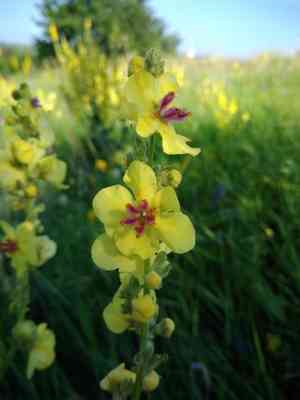
A member of the Scrophulariaceae family, nettle-leaved mullein is a perennial plant recognized for its fuzzy, silvery leaves and towering stalks adorned with white blossoms featuring yellow centers. To preserve its form and stimulate more compact development, trim the primary flower stem once it has finished flowering; this usually encourages a subsequent bloom. Removing spent flowers is also advisable to inhibit self-propagation. Trimming in late spring or early summer following the initial flowering, and once more in autumn if necessary, helps keep nettle-leaved mullein neat. Advantages of trimming encompass improved air movement and a diminished likelihood of fungal infections.
What Are the Benefits of Pruning Nettle-leaved Mullein?
What Are the Benefits of Pruning Nettle-leaved Mullein?
Trimming nettle-leaved mullein promotes abundant blooms, stimulates vigor, and preserves its shape. Regular cutting is essential for encouraging healthy new shoots, ensuring plentiful flowers, and giving nettle-leaved mullein a neat, pleasing structure.
What Is the Best Time for Pruning Nettle-leaved Mullein?
What Is the Best Time for Pruning Nettle-leaved Mullein?
In late spring, nettle-leaved mullein can be trimmed to shape the plant and remove any dead or damaged growth from winter, fostering healthier development throughout the season. Pruning after summer flowering ensures spent flower spikes are removed, which can encourage a second wave of blooms and maintain the plant's appeal. It also prevents nettle-leaved mullein from self-seeding excessively, which can lead to garden overpopulation. Additionally, this timing allows nettle-leaved mullein to conserve energy for the next growth cycle.
What Tools Do I Need to Prune Nettle-leaved Mullein?
Hand Pruners
Perfect for deadheading and cutting back nettle-leaved mullein's faded flower stalks; they provide clean cuts and are easy to use around delicate leaves.
Pruning Shears
Suitable for shaping and managing the size of nettle-leaved mullein, as well as removing any diseased or damaged parts.
Gardening Gloves
Protect the gardener's hands from nettle-leaved mullein's rough leaves during pruning.
Pruning Saw
Required for cutting through thicker stems if nettle-leaved mullein has developed a woody base.
Loppers
Ideal for reaching into dense nettle-leaved mullein clumps without harming nearby plants and offering extra leverage for thicker stems.
How to Prune Nettle-leaved Mullein
Clean Tools
Before beginning, ensure all pruning tools are clean and sharp to prevent spreading disease to nettle-leaved mullein.
Remove Diseased Leaves
Carefully inspect nettle-leaved mullein for any diseased leaves. Use pruning shears to cut these leaves off at the base, being careful not to harm healthy foliage.
Trim Withered Leaves
Identify withered or yellowing leaves on nettle-leaved mullein and snip them at the base to improve air circulation and light penetration.
Deadhead Flowers
Examine nettle-leaved mullein for faded flowers. Deadhead these flowers by snipping them off just above the nearest leaf joint to encourage new blooms.
Disposal
After pruning nettle-leaved mullein, properly discard all removed material to prevent the spread of any potential diseases.
Common Pruning Mistakes with Nettle-leaved Mullein
Over-Pruning
Removing too much growth can stress nettle-leaved mullein, resulting in a weak plant that may not flower well. Stems should be cut back to healthy growth, but excessive removal can be harmful.
Improper Cut Placement
Cutting too close or too far from a bud can lead to dieback or encourage growth in undesirable directions. Proper cuts should be made at a 45-degree angle, just above a healthy bud or node.
Using Dull Tools
Dull pruning tools can cause ragged cuts that are more susceptible to disease and pests. It's important to use sharp, clean tools for making precise cuts.
Neglecting Deadheading
Failing to remove spent flowers throughout the blooming season can prevent nettle-leaved mullein from producing new flowers. Deadheading promotes continuous blooming.
Ignoring Plant Shape
Randomly cutting without considering the natural shape of nettle-leaved mullein can result in an unattractive plant. Pruning should maintain or enhance the plant's form.
Pruning Active Growth
Pruning stems that are actively growing can reduce flowering or create an open wound that is vulnerable to disease. It's crucial to understand the growth pattern of nettle-leaved mullein before cutting.
Common Pruning Tips for Nettle-leaved Mullein
Selective Thinning
Thin out crowded stems to increase light and air circulation, which can help prevent disease. This method involves removing select stems at the base to enhance the overall health and shape of nettle-leaved mullein.
Supportive Staking
After pruning, staking taller varieties of nettle-leaved mullein can help support the plant structure and maintain an upright form, preventing damage from wind or heavy blooms.
Deadheading
To extend the blooming period, regularly deadhead spent flowers. This will also prevent nettle-leaved mullein from self-sowing too profusely if seed dispersal is a concern.
After-Flowering Care
Once the main bloom is complete, cutting back the flower stalk can encourage a secondary flush of flowers. However, leave some seedheads if you desire self-seeding.
Seasonal Cleanup
Remove any dead or diseased foliage as part of ongoing maintenance to keep nettle-leaved mullein healthy. This is vital for preventing the spread of disease and pests in the garden.
Rejuvenate Old Plants
For older nettle-leaved mullein plants that have become woody and less vigorous, cutting back to the ground can stimulate new, fresh growth. This should be done cautiously, not more frequently than necessary.



